
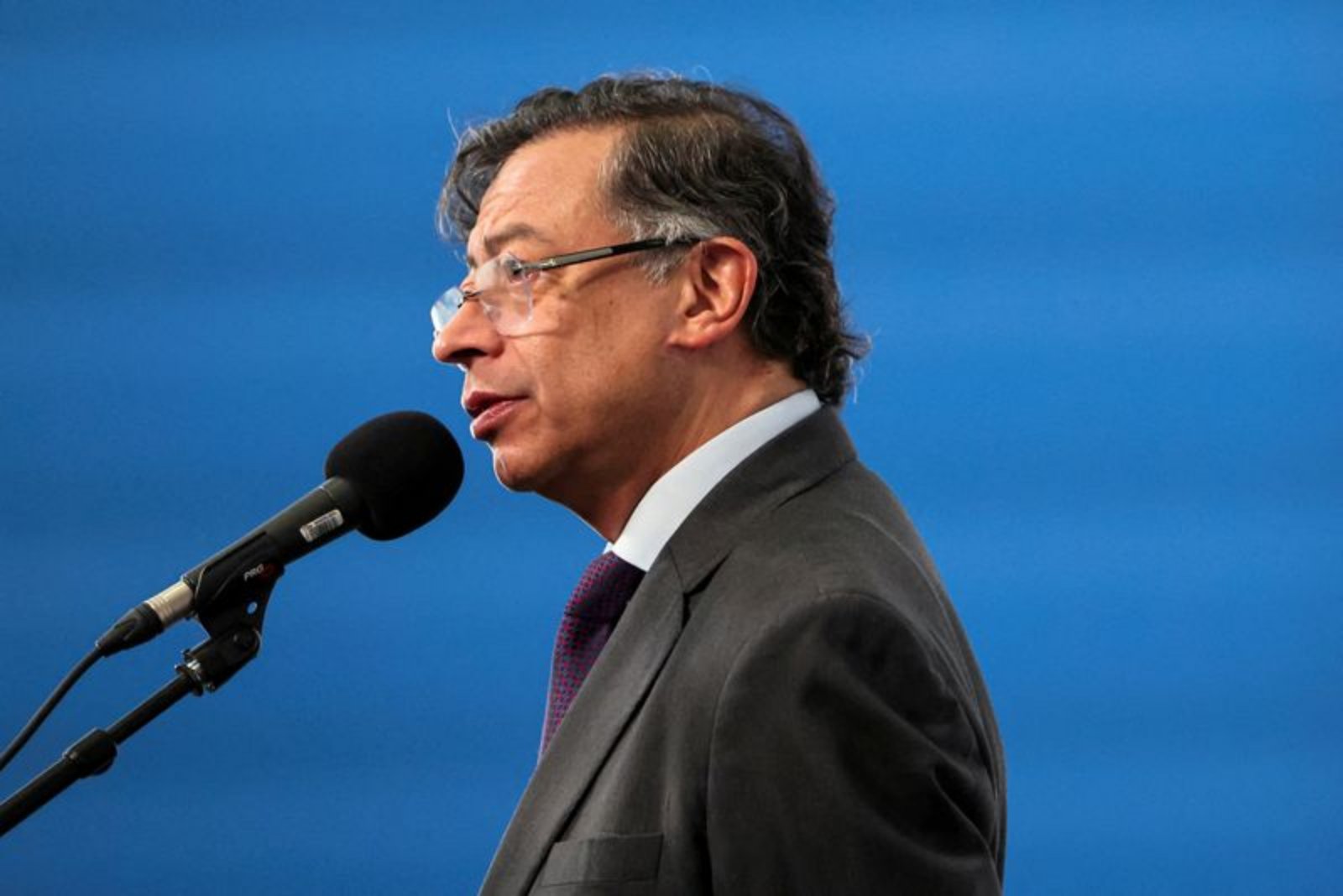
Colombian President Gustavo Petro is scheduled to travel to Caracas on Friday for a meeting with Venezuelan leader Delcy Rodriguez, officials said. The encounter is expected to concentrate primarily on security concerns along the extensive border that links the two nations.
The Caracas visit will mark Rodriguez's second meeting with a fellow head of state since she traveled briefly to Grenada earlier this month to meet its leader. It also follows a visit to Caracas last month by Colombia's ministers of foreign relations and defense, when the delegations discussed security as well as trade and energy cooperation.
Colombia and Venezuela maintain deep historical and cultural connections, particularly across their shared 2,200-kilometer (1,370-mile) frontier. The border area includes many bi-national families and substantial human movement - nearly 3 million Venezuelan migrants have settled in Colombia in recent years after fleeing economic collapse in Venezuela.
The border region supports significant legal commerce, estimated at around $1 billion in annual trade, but it is also a locus of illicit activities. That includes drug trafficking, smuggling and other illegal enterprises carried out by armed groups such as criminal gangs and Colombian guerrilla organizations. Human rights groups and previous Colombian administrations have alleged those armed groups operate with the support or complicity of elements within the Venezuelan military - an allegation that Caracas has consistently denied.
Both governments have in the past increased military presence along the frontier to counter illegal flows. Petro and Rodriguez's predecessor, Nicolas Maduro, who was removed in a U.S. operation in January, previously boosted troop deployments at the border with the stated aim of fighting drug trafficking.
Rodriguez, who served as vice president before taking on her current leadership role, has made attracting investment in Venezuela's oil and mining sectors a priority. Observers note that her efforts to court investors have proceeded under what is described as close supervision by the Trump administration. Mr. Trump has publicly praised Rodriguez on multiple occasions, and the Venezuelan leader has received U.S. officials and prospective investors in Caracas.
Rodriguez has been vocal in urging the United States to lift sanctions on Venezuela, arguing that special licenses and waivers are insufficient to provide investors with the security they need or to enable economic recovery.
Petro, meanwhile, has had repeated disputes with Trump, who has demanded stronger Colombian cooperation in the fight against drug trafficking. Petro has responded by pointing to record drug seizures during his time in office. Despite tensions - including personal sanctions imposed on Petro by Washington - the two leaders reported positive interactions following a face-to-face meeting earlier this year. In March, they held a cordial telephone call to discuss economic matters affecting the Venezuelan-Colombian border, according to Petro's office.
Contextual note - The meeting comes amid heightened attention to border security, migration, and economic ties between Colombia and Venezuela, and follows a recent flurry of diplomatic engagement at both ministerial and head-of-state levels.