
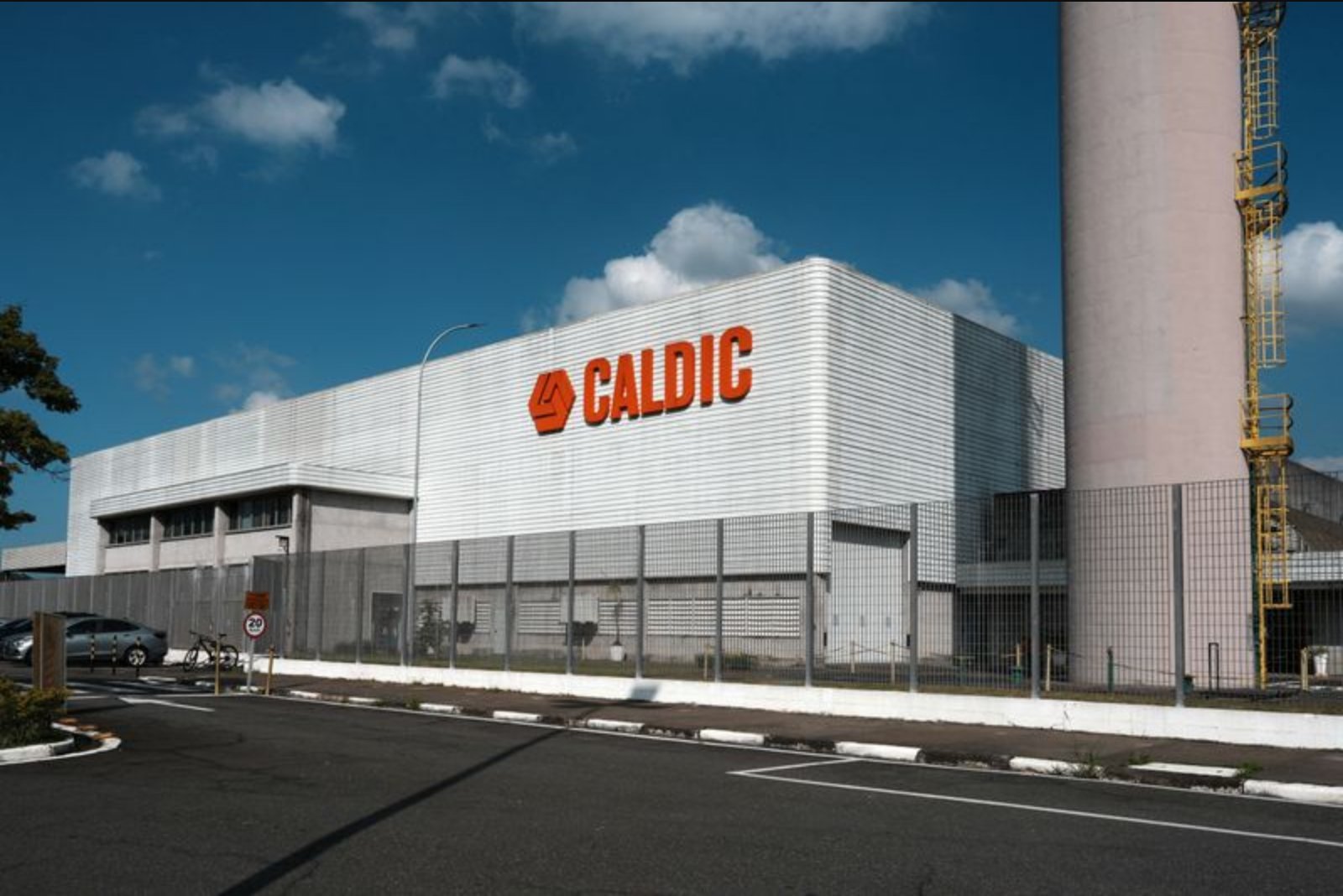
Authorities in Brazil are investigating whether Caldic, a chemicals distribution group majority-owned by U.S. private equity firm Advent International, supplied methanol that was diverted into a large-scale fuel adulteration and smuggling operation run by the First Capital Command (PCC), according to statements from the company and official documents reviewed during the probe.
The inquiry follows a law enforcement operation last year that targeted what investigators described as a roughly $10 billion fuel fraud scheme involving gas stations controlled by the PCC, which sold methanol illegally as a gasoline substitute. Prosecutors say Caldic was the principal source of the methanol under investigation, according to individuals directly involved in the case.
While investigators have not uncovered evidence that Caldic or its majority owner Advent International were aware that some sales might be diverted into illegal channels, the probe led by public prosecutors in Sao Paulo highlights the ways in which established international investors and formal supply chains can become entwined with criminal networks operating across parts of Latin America’s economy.
Scope of the criminal and regulatory inquiries
Prosecutors intend to file charges in the methanol investigation by June and remain in the process of determining the precise extent and nature of Caldic’s involvement. Officials have indicated that the company could face civil liability and that individual employees might be subject to criminal charges, depending on the outcomes of the inquiry.
Separately, Brazil’s fuel regulator, the National Agency of Petroleum, Natural Gas and Biofuels (ANP), has opened an administrative proceeding focused on the methanol sales by Caldic’s Brazilian subsidiary, Quantiq. Documents related to that regulatory probe are under seal, but they reportedly cite preliminary findings from prosecutorial investigators, including email exchanges between Quantiq staff and individuals linked to the PCC.
ANP has already restricted Quantiq’s ability to sell methanol in Brazil and has indicated it could ultimately revoke the company’s authorization to distribute the substance. Methanol is a controlled chemical in Brazil, hazardous to motor vehicles and potentially lethal to humans, and since 2024 the regulator has placed heightened responsibility on distributors for improper end-uses by their customers.
Allegations in regulatory documents
Internal ANP records dated November and included in the sealed administrative file reportedly flagged that nearly a quarter of Quantiq’s methanol transactions raised concerns. The regulator’s document states that certain declared buyers either were not active businesses, did not receive the shipments they were listed as acquiring, or had no evident legitimate use for the volumes recorded.
The ANP document alleges that Quantiq failed to apply minimum compliance protocols that could have helped prevent an irregular methanol trade, creating risks to public health and to the proper supply of fuels. Those allegations have not been independently verified.
Company responses and internal review
Quantiq has provided a public statement saying it is cooperating with investigators and that it adheres to high standards of compliance and integrity. The Brazilian unit also reported the results of an internal audit it said found no wrongdoing by its management.
Quantiq declined to disclose documentation of that audit or to identify who conducted it. The company also said it would not comment on speculation, unnamed sources or selectively disclosed material surrounding the probe.
Advent International, which is the majority owner of the group, said the ongoing investigations are not directly aimed at the investment firm. Advent stated it conducts its business with integrity and expects its portfolio companies to meet similar standards.
How methanol figures in Brazil’s fuel market and alleged fraud
Methanol and ethanol play distinct roles in Brazil’s biofuels sector. Methanol is used in small amounts in biodiesel production, while ethanol serves extensively as both an additive and a gasoline substitute in Brazilian vehicles.
Because methanol can be cheaper than ethanol, it is susceptible to misuse: bad actors can mix methanol into fuels to increase margins, according to Carlo Faccio, director of ICL, an industry group formed to combat fuel fraud. Prosecutors say members of the PCC obtained methanol to adulterate fuel sold to distributors and gas stations as part of the multibillion-dollar fraud and money-laundering scheme targeted during last year’s operation.
Evidence of personnel contacts and warrants
Documents from the regulatory probe indicate that among those targeted with warrants in the wider criminal operation were two individuals who had worked at Quantiq for more than a decade. These employees, who were not senior managers, are reported to have exchanged emails coordinating methanol shipments with people directly linked to the PCC, according to a source close to the investigation.
Quantiq has said its internal review did not reveal any involvement by its representatives or management in the alleged smuggling activities. The company has not provided the audit files for external review, and the audit’s findings have not been independently confirmed by third parties.
Missing shipments and volume inconsistencies
ANP data place Quantiq as Brazil’s second-largest methanol importer last year, behind GPC Quimica. The regulatory file states that Quantiq imported about 190 million liters of methanol between January and August of last year. Financial tracking analyses cited by ANP indicate that hundreds of shipments, which entered Brazil via the Paranagua port in the country’s south, did not reach the buyers recorded in the documentation.
Investigators say Quantiq also routed methanol consignments to entities that were no longer operational or that had no evident legitimate use for the volumes they were recorded as acquiring. In cases where customers showed a legitimate use for methanol, the ANP investigation found several examples where purchases exceeded documented needs by large margins.
One cited instance describes Quantiq selling roughly 25 million liters of methanol over an eight-month period to a buyer that, when questioned by the regulator in October, said its typical use is about 630,000 liters per month. It was not possible to establish what happened to the remaining volume.
In November, ANP prohibited Quantiq from selling methanol while it investigated the anomalies highlighted by the criminal case. The regulator had previously opened a related review in 2023 and warned the distributor to reinforce its compliance procedures.
Quantiq has maintained that it retains compliance and due diligence processes for clients and that it has incorporated regulatory recommendations. In February the regulator permitted Quantiq to resume limited methanol sales to specified buyers under strengthened safeguards while its administrative proceeding continues toward a final decision.
Broader concerns and prosecutorial posture
The PCC, which prosecutors say began as a prison-founded group about three decades ago in Sao Paulo, has grown into a major organized crime syndicate with interests across narcotics trafficking and money-laundering activities. Prosecutors assert that the PCC’s financial reach has extended into conventional sectors of the economy, including real estate, certain financial technology startups and fuel distribution.
Brazilian authorities are treating the methanol allegations as part of a wider effort to dismantle the syndicate’s money-laundering and fuel fraud operations. Prosecutors have kept many details of the active investigation sealed and declined to provide comment on the specifics of the ongoing inquiries.
What lies ahead
With prosecutors aiming to press charges by June and the ANP’s administrative process still open, Caldic and its Brazilian arm remain under scrutiny. Potential outcomes range from further regulatory restrictions and civil litigation to criminal charges against specific individuals, depending on the evidence produced by both criminal investigators and the regulator’s forensic and financial analyses.
For now, the company says it is cooperating with authorities while asserting that its internal audit identified no management involvement in the conduct under investigation. Regulators and prosecutors must complete their inquiries before further conclusions about corporate liability or broader sectoral impacts can be drawn.