
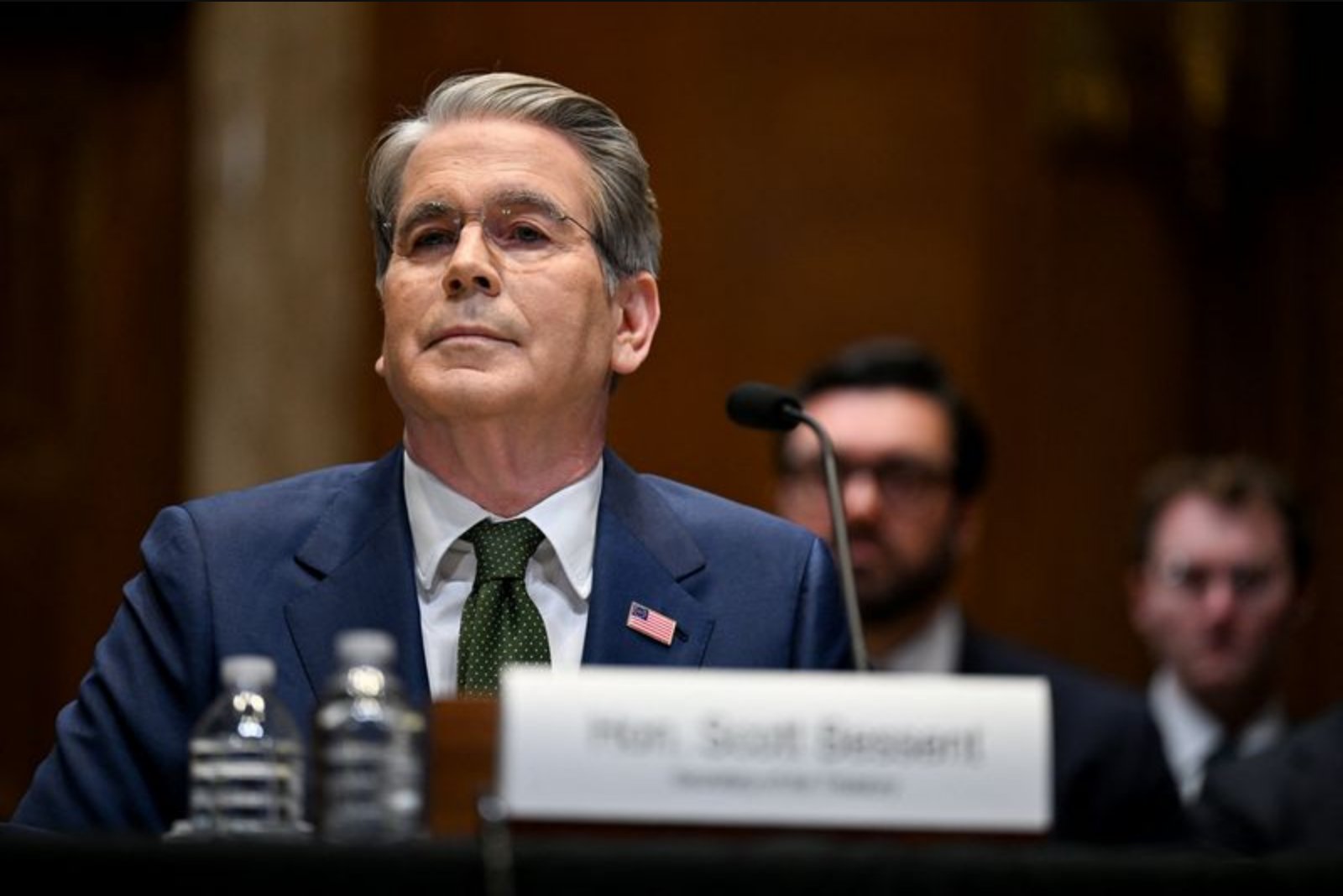
April 24 - Treasury Secretary Scott Bessent said on Friday that negotiations over U.S. dollar swap lines form part of ongoing, routine dialogue with partner countries, including allies in the Gulf and in Asia.
In a post on X, Bessent outlined the potential advantages of adding swap arrangements and framed them as standard elements of international financial cooperation. He wrote: "Additional swap lines can benefit our nation by reinforcing dollar usage and liquidity internationally, maintaining smooth functioning in dollar funding markets, promoting trade and investment with the United States."
He emphasized that many of the countries involved maintain strong fiscal positions and substantial dollar holdings, describing their sovereign balance sheets as "pristine." That characterization came alongside praise for allied planning and risk controls: "I applaud our allies’ foresight and watchful risk management by exploring additional financial buffers during periods of market quiescence," he said.
Bessent suggested that extending permanent arrangements could do more than provide contingent liquidity, arguing that "Extending permanent swap lines can be a major first step in creating new U.S. dollar funding centers in the Gulf and Asia." The comment indicates a focus on establishing more durable dollar funding infrastructure in those regions.
Separately, Bessent said on Wednesday that several partners in both the Gulf and Asia have submitted formal requests for currency swap lines from the United States. Those requests, he said, are intended to help address the economic effects of energy price shocks and "other fallout from the Iran war."
The statements present the discussions as routine diplomatic and financial engagement rather than emergency measures, and they underline the Treasury's view that additional swap lines could support international dollar liquidity and cross-border economic activity.
Context and implications
Bessent's remarks highlight both the transactional purpose of swap lines - as temporary liquidity backstops - and the strategic potential of making some arrangements permanent to support dollar funding networks abroad. He explicitly connected the swap line requests he described to efforts by allies to manage risks associated with energy shocks and regional instability tied to the Iran war.