
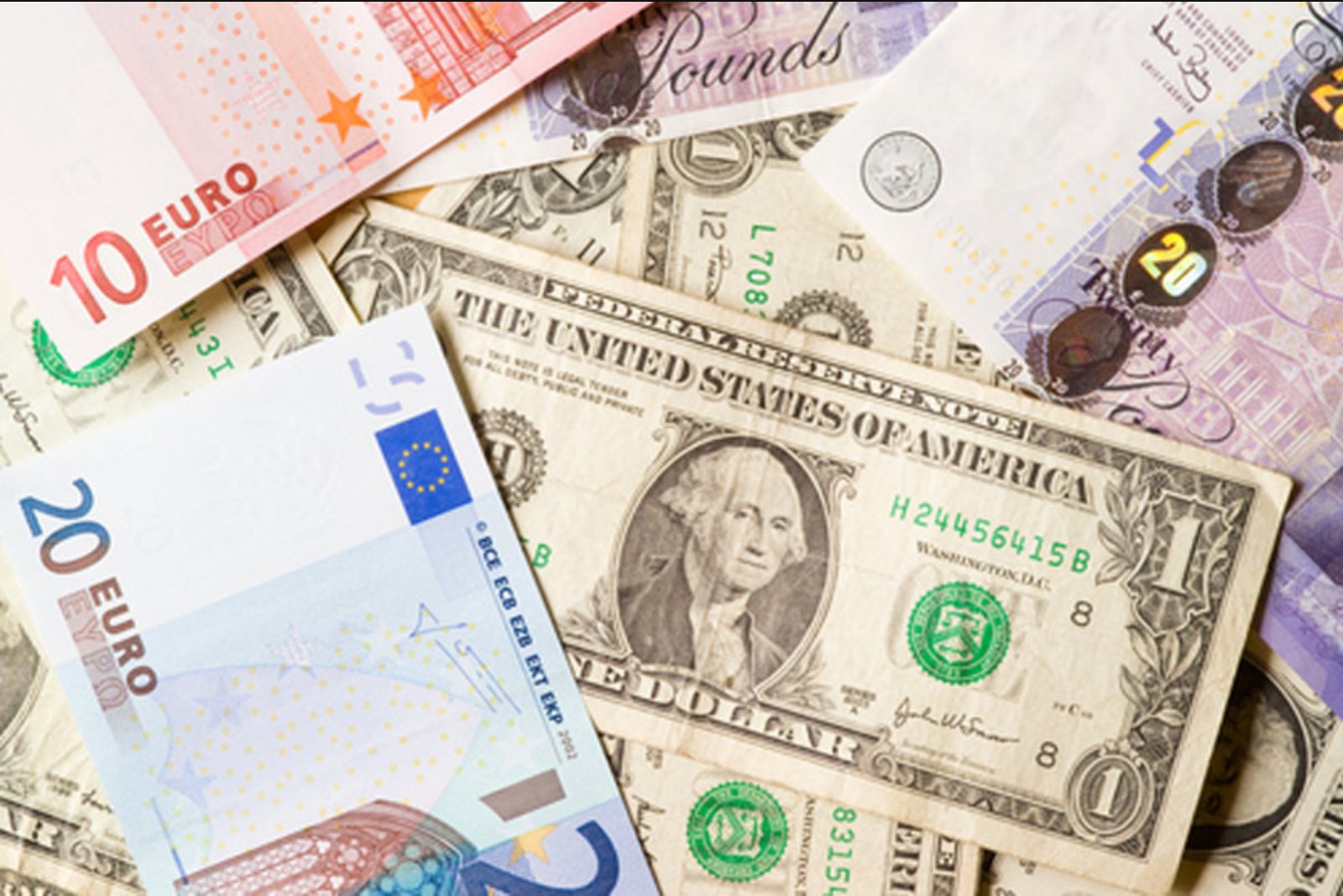
Global financial markets are on alert as the initial two-week Iran ceasefire reaches its deadline, with currency markets and investor sentiment poised to react depending on whether hostilities cool further or escalate. Since the truce began on April 7, market signals have pointed to a softer US dollar, lower foreign exchange volatility and weaker oil prices, suggesting markets have been pricing in at least a temporary easing of geopolitical risk.
Recent market backdrop
A UBS report cited by analysts found that falling oil prices and more settled equity markets have contributed to a broad-based weakening of the US dollar against major currencies. At the same time, volatility in FX markets has declined to multi-month lows, reflecting investor optimism that the ceasefire could either be extended or evolve into a more durable agreement.
With oil trading well under recent highs and stock indices hovering near their peaks, investors appear positioned for continued stability. UBS observed that such conditions are conducive to carry trades - strategies that involve borrowing in low-yielding currencies, such as the Japanese yen, to fund investments in higher-yielding assets.
Potential policy and currency implications
If diplomatic progress between the US and Iran continues, analysts expect further depreciation of the US dollar and improved returns for risk-sensitive currencies, notably the Australian dollar. Those outcomes would be consistent with the weaker-dollar environment that has been emerging since early April.
UBS also highlighted currency-specific views. The bank remained bearish on the Japanese yen, pointing to expectations that the Bank of Japan will hold off on raising rates amid ongoing global uncertainty. Meanwhile, mixed employment figures have clouded the outlook for Bank of England policy, though economists in the report anticipate a rate cut later in 2026 - a development that UBS said could exert downward pressure on the pound.
Hedging and downside protection
Despite the current calm in FX markets, UBS warned of a meaningful tail risk scenario. A significant escalation of the conflict - for example, a major new military intervention - could abruptly shift investor sentiment back toward risk aversion, pushing the dollar higher and reigniting currency volatility. With present volatility levels relatively low, the report noted that hedging against such adverse outcomes is comparatively inexpensive.
Bottom line
Markets are trading on hopes that the Iran ceasefire will prevent an immediate flare-up in geopolitical risk, supporting a softer dollar and lower FX volatility. However, strategists emphasize that the situation remains fragile, and the possibility of renewed conflict could rapidly reverse current trends.