
The carry trade has produced about a 12% return in 2026, marking the strategy's strongest opening quarter in three years as market volatility has eased and investors feel more comfortable borrowing in low-interest-rate currencies to fund positions in higher-yielding ones.
At the center of the recent move is a rally in oil, which has helped lift several commodity-linked currencies. Brazil's real and Colombia's peso have been among the beneficiaries, supporting a common carry approach that involves borrowing where rates are low and deploying proceeds into currencies offering higher yields.
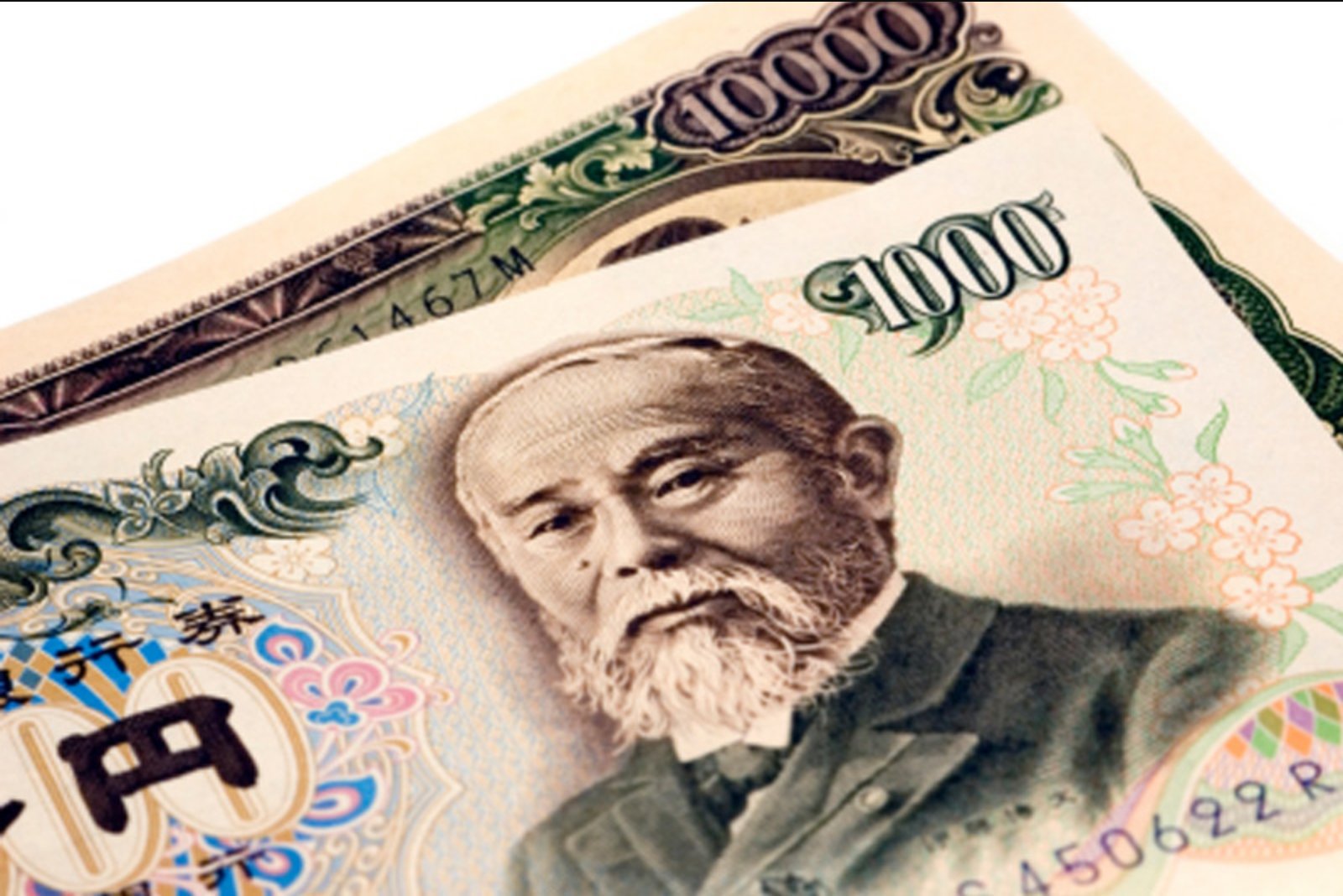
One widely used implementation of the strategy is to borrow in Japanese yen and purchase a basket of currencies such as the Brazilian real, Colombian peso and Turkish lira. Market participants say the calmer trading environment across currencies, sovereign bonds and equities has reinforced the view that exchange-rate moves will be limited in the near term.
Major financial institutions have remained publicly supportive of different versions of the trade. Citigroup has advocated positions that include Mexico's peso, Brazil's real and the Turkish lira. Meanwhile, strategists at Goldman Sachs have advised clients to take exposure to an equally weighted basket of currencies against the U.S. dollar that includes the Turkish lira and the Nigerian naira.
Investors point to a broad collapse in volatility as a driver of confidence. Equity markets have reflected this retrenchment in turbulence - the S&P 500 set a record high this week as overall market jitteriness diminished.
On the trading desks, approaches vary by investor type. At Bank of America, John Locascio, head of Latin America currency-options trading, noted that hedge funds have tended to focus on short-term positions to capture moves in the Brazilian real. Asset managers, by contrast, have been building longer-dated exposures using digital options, structures that provide a fixed payoff if the real reaches a predetermined higher level.
Colombia's peso has seen increased use in carry strategies recently despite being characterized by higher volatility and lower liquidity compared with some peers. The peso's recent traction has been tied to elevated oil prices, which are expected to underpin countries that produce energy.
Overall, the interplay between a quieter market environment and commodity strength has underpinned renewed interest in carry trades. Market participants continue to structure trades among a range of emerging-market currencies while using funding currencies where policy rates remain low.