
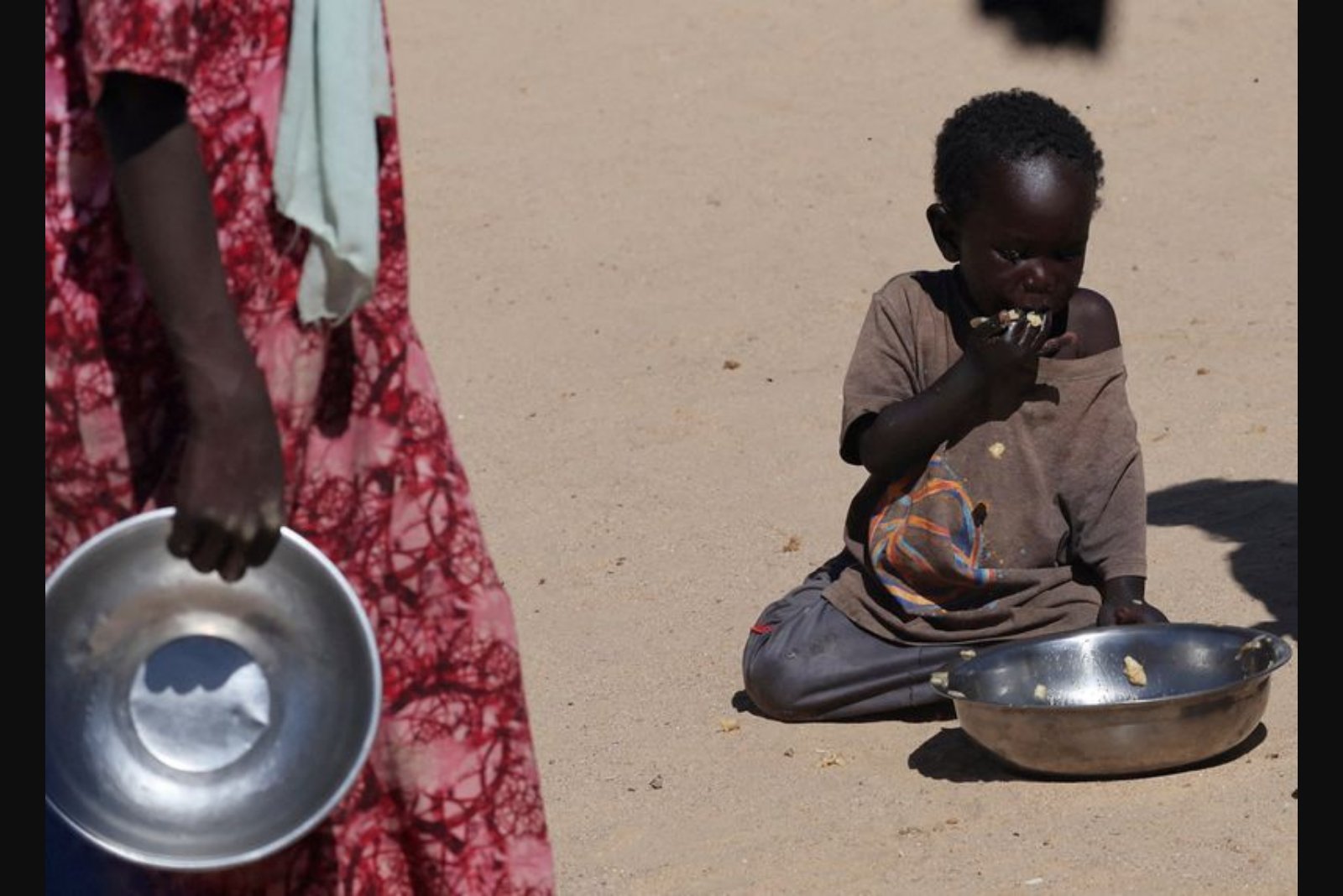
The 2026 Global Report on Food Crises, the 10th edition compiled by a coalition of development and humanitarian organisations, warns that armed conflict, severe drought and declining aid will sustain dangerously high levels of food insecurity into 2026.
The report shows that acute hunger has doubled over the past decade and notes the unprecedented declaration of two famines last year - in Gaza and Sudan. In 2025, 266 million people across 47 countries and territories experienced high levels of acute food insecurity, while roughly 1.4 million people faced catastrophic conditions in parts of Haiti, Mali, Gaza, South Sudan, Sudan and Yemen.
Children were disproportionately affected: in 2025, 35.5 million children worldwide were acutely malnourished, including nearly 10 million who suffered from severe acute malnutrition.
Assessing conditions for 2026, the report describes severity levels as remaining critical. It identifies Haiti as the only country likely to move out of the report's worst "catastrophic" band this year, a change attributed to a slight improvement in security and an increase in humanitarian assistance.
"We are no longer seeing just temporary shocks, but persistent shocks over time," said Alvaro Lario, head of the U.N. International Fund for Agricultural Development, which helps prepare the annual report. He added: "The main message is that food insecurity is not an isolated issue anymore, but is putting pressure on global stability."
Conflict, trade disruption and markets
Lario highlighted growing concern about the spillover effects of military escalation in the Middle East. He said the U.S.-Israeli war on Iran has intensified alarm by raising the risk that extended disruption to energy and fertilizer trade would reverberate across global food markets, exacerbating shortages and price shocks for countries that depend on imports.
"Even if the conflict in the Middle East were to end right now, we know that a lot of the food price shocks and inflation will happen in the next six months," Lario said, underlining the lag between disruptive events and their full impact on food systems and market prices.
Regional pressures: West Africa, the Sahel and the Horn of Africa
The report identifies West Africa and the Sahel as likely to remain under severe pressure from a combination of armed conflict and persistent inflation. It singles out Nigeria, Mali, Niger and Burkina Faso as countries facing heavy stress this year. Nigeria, the report projects, will be among the hardest hit in 2026, with an expected increase of 4.1 million people experiencing acute hunger.
In East Africa, failed rains across much of the Horn are expected to deepen distress in Somalia and Kenya. The report links drought, insecurity, elevated food prices and reductions in humanitarian aid to a likely worsening of conditions in those countries.
Funding shortfalls for humanitarian and development responses
The hunger monitor also records a sharp contraction in financing for food-sector responses. Humanitarian funding targeted at food sectors is estimated to have fallen by approximately 39% in 2025 compared with 2024 levels, and development assistance for these sectors contracted by at least 15% over the same period. The report warns that humanitarian and development finance for food in crisis-affected areas is expected to decline further, reducing the capacity to respond as needs grow.
The 2026 Global Report on Food Crises frames the current situation as one of sustained and compounding shocks rather than isolated or short-lived emergencies. It documents both the human toll - including millions facing catastrophic conditions and tens of millions of malnourished children - and the structural strains on response systems as funding falls while demand rises.
As the report makes clear, a combination of conflict-driven market disruptions, weather-driven crop failures and weakening financial support for humanitarian operations is likely to keep food insecurity at crisis levels across multiple regions in 2026.