
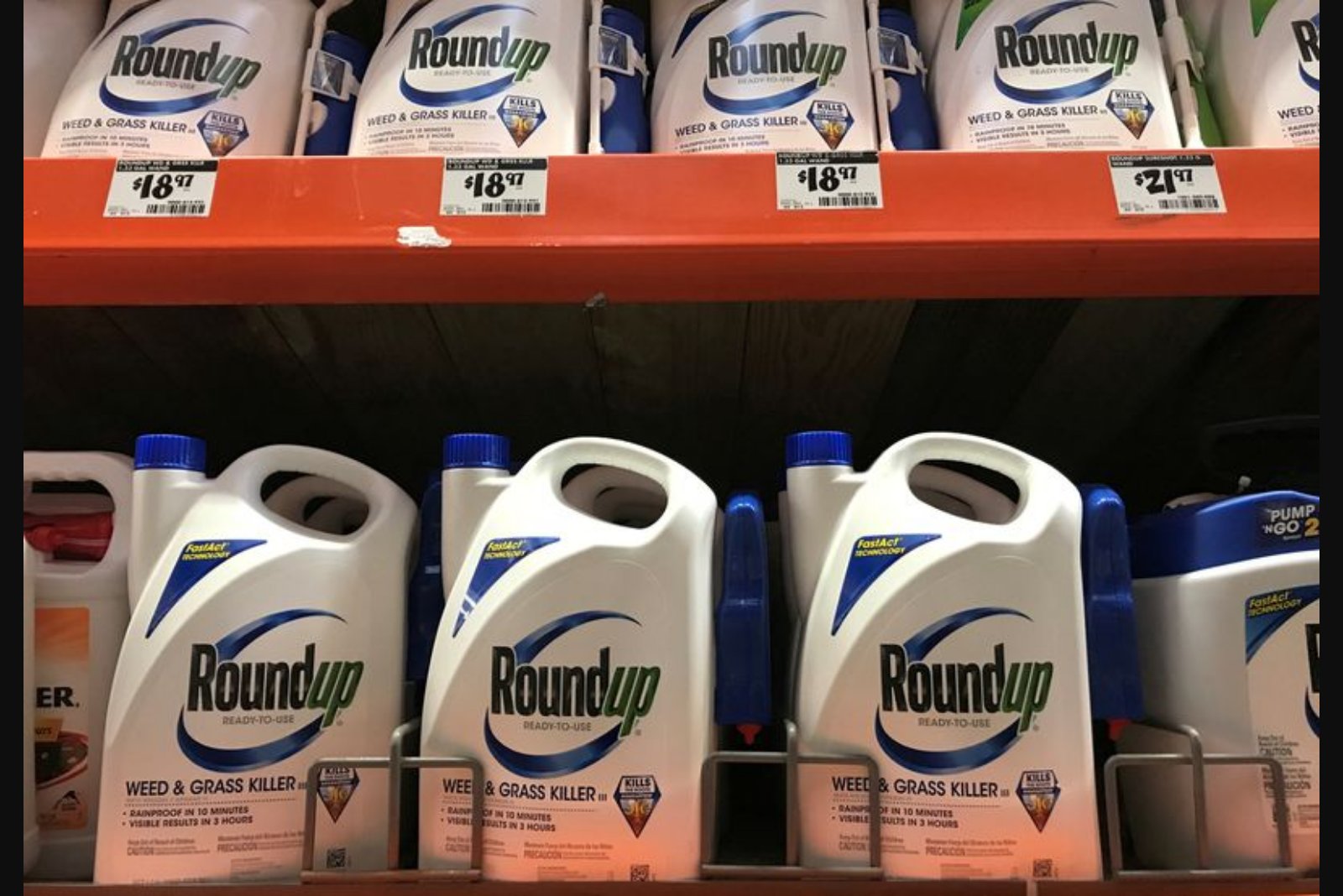
Summary: A large majority of Americans express unease about pesticide use in crops, and a significant share oppose legal protections for companies that sell products alleged to cause cancer. Those views come into focus as Bayer faces arguments before the U.S. Supreme Court in a case that could sharply limit litigation tied to its Roundup weedkiller. The administration's backing of Bayer and related political maneuvering are generating friction with voters who prioritize health and food-safety issues.
Most Americans are worried about pesticide use in food production and are resistant to the idea of shielding companies from liability when products are blamed for causing cancer, according to a nationwide poll of 4,557 adults conducted online April 15-20 with a margin of error of 2 percentage points. Those opinions present a potential political liability as Bayer asks the Supreme Court to narrow lawsuits claiming that Roundup's active ingredient, glyphosate, causes cancer.
The survey found that 78% of respondents said they are concerned about pesticide use in food crops. Concern cut across party lines, with 81% of Democrats, 78% of Republicans and 77% of independents expressing worry about pesticide use. On the legal question of liability protections, 63% of respondents said they oppose protecting companies from lawsuits when those companies sell products that are alleged to cause cancer, even if the company provided warnings about the risk. Opposition to liability shields was higher among Democrats at 71%, compared with 57% of Republicans and 61% of independents.
Bayer is appealing a number of state-court verdicts and is asking the high court to rule that federal law preempts state-law claims that seek to impose requirements beyond an Environmental Protection Agency-approved label. The company argues that federal pesticide statutes and the EPA's regulatory framework should prevent states from imposing additional warnings or liability where the federal agency has already set labeling standards. In support of Bayer's stance, the administration filed a legal brief with the Supreme Court arguing that federal law preempts the state laws driving many of the suits.
The legal fight seeks to stem tens of thousands of lawsuits that contend Bayer failed to warn users that glyphosate, the key ingredient in Roundup, can cause cancer. The U.S. Environmental Protection Agency has not determined that glyphosate is a carcinogen, while the World Health Organization has classified the chemical as "probably carcinogenic to humans." One of the previously decided cases involved a Missouri state jury awarding $1.25 million to a plaintiff, John Durnell, who said he developed non-Hodgkin lymphoma after years of exposure to glyphosate in Roundup.
A central legal question in the appeal is whether consumers can pursue state-law claims for inadequate warnings when federal authorities have approved the product's safety label. Bayer's position is that, because the EPA has not required a cancer warning and federal law governs labeling in this context, state courts should not be able to impose additional warnings or liability. The administration's brief to the court sided with that argument, asserting federal preemption of state claims.
Some agricultural groups have warned of potential downstream effects on farming practices if the litigation landscape shifts. Several state chapters of the Farm Bureau, in briefs to the Supreme Court, cautioned that a ruling against Bayer could prompt the company to reconsider selling Roundup in the U.S. because of liability exposure, a move that farm organizations said would harm growers who rely on the product.
Beyond the legal and agricultural stakes, the poll highlights broader anxiety about chemicals and contaminants. Seventy-nine percent of respondents said they were concerned about impacts to their health from chemicals or food additives and from microplastics in drinking water. Those concerns are feeding into a political movement and voter base that Republican strategists hope will support the party in the upcoming congressional elections, where narrow majorities in both chambers are at stake.
However, the administration's public support for Bayer has unsettled some activists and voters aligned with the Make America Healthy Again movement - often referred to by the MAHA acronym in political discussions - who say pesticide concerns are central to their priorities. Organizers and activists associated with MAHA have criticized an executive order aimed at boosting domestic glyphosate production and have warned that continued federal backing for Bayer could erode support from this constituency.
Leaders of the MAHA-aligned advocacy network say they raised glyphosate and pesticide concerns directly with senior White House staff during a meeting on April 9. Kelly Ryerson, who advocates under the name "The Glyphosate Girl," told officials that glyphosate is a significant issue for MAHA voters and warned that support for Bayer's position might jeopardize midterm votes. Ryerson is scheduled to be among the speakers at a rally outside the Supreme Court on the day of arguments.
Organizers list several other scheduled speakers at the rally, including food-safety influencer Vani Hari, known online as "The Food Babe," anti-vaccine activist Del Bigtree, and Democratic U.S. Representative Chellie Pingree. Those demonstrations signal grassroots opposition that spans a mix of advocacy groups and political actors.
Product warning labels and regulatory tension
The dispute before the court also raises the technical question of how federal regulatory decisions interact with state tort law. Bayer has argued it cannot add warnings beyond those approved by the EPA because federal law controls labeling requirements. Plaintiffs' lawyers and some state courts have relied on state consumer-protection and product-liability statutes to pursue claims that manufacturers failed to provide adequate warnings.
The outcome of the Supreme Court's decision could determine whether state-level lawsuits remain a viable path for claimants alleging harm from glyphosate exposure, or whether federal preemption will insulate manufacturers from certain types of state law claims.
Political and market implications
The poll results show bipartisan concern that intersects with political strategy and market exposure. For firms in agricultural chemicals, food production and branded consumer products, heightened consumer anxiety about pesticides and the legal risks around labeling could matter for market sentiment, product positioning and liability costs. For political actors, the alignment or misalignment with voters who prioritize health and food-safety reforms could influence turnout and preferences in competitive races.
Note: The poll results and details referenced above reflect responses collected April 15-20 and the legal filings and positions cited are those presented to the U.S. Supreme Court and reported by parties involved in the litigation.