
Stock Markets April 24, 2026 06:55 AM

Vietjet to Take Delivery of First A330neo as It Plans Direct European Routes

Carrier readies long-haul capacity and pushes to grow Ho Chi Minh City as a regional aviation finance center

By Ajmal Hussain
Vietjet to Take Delivery of First A330neo as It Plans Direct European Routes

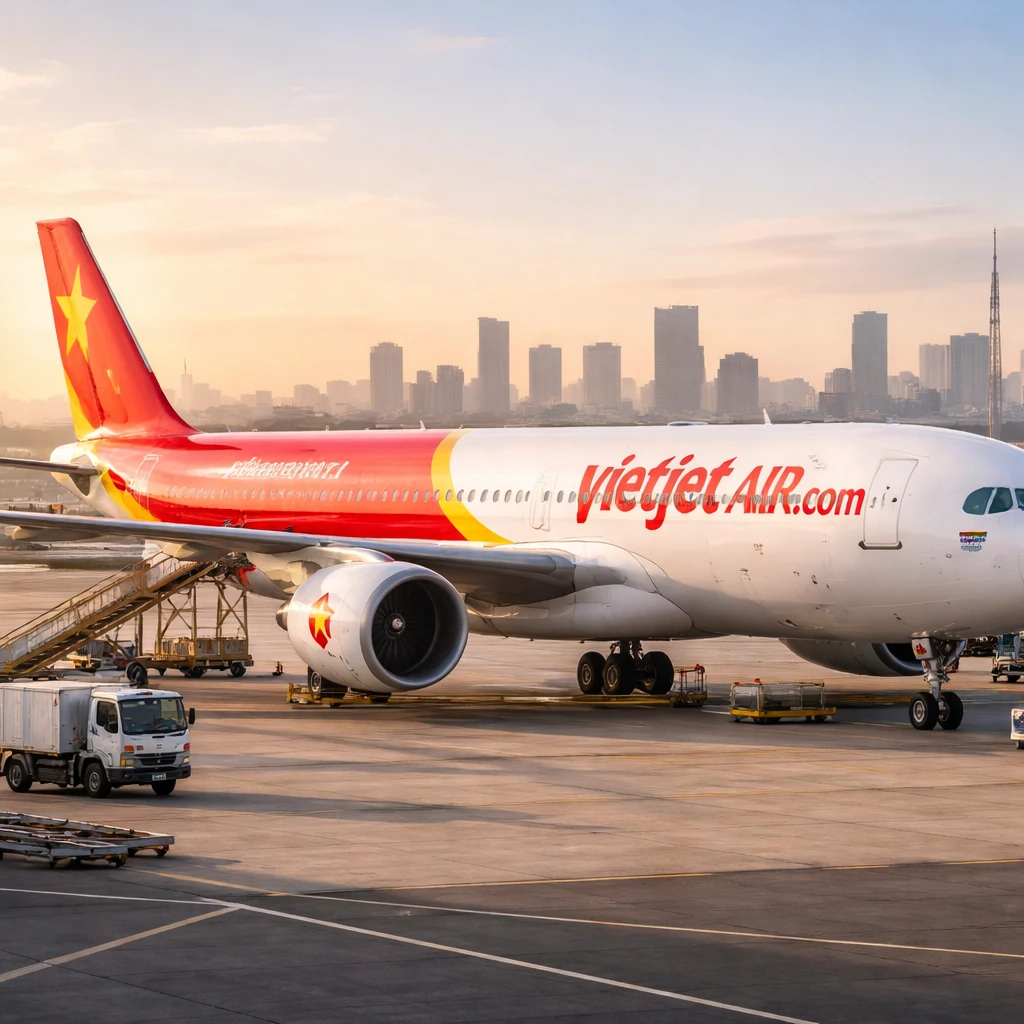
Vietjet Air is set to receive the first A330neo from a 20-aircraft order placed last year, a step the carrier says is critical to launching direct services to Europe. The airline is also pursuing a broader strategy to develop Ho Chi Minh City into an Asia-Pacific hub for aviation finance, while continuing to deploy Chinese-made aircraft on select routes and managing near-term operational adjustments.

Key Points

  • Vietjet will receive the first A330neo from a 20-aircraft order placed last year, a step seen as necessary to begin direct flights to Europe - impacts aviation and long-haul airline market planning.
  • Potential European destinations identified include the Czech Republic, Germany, Britain and France; launches depend on delivery of long-range wide-body aircraft and Airbus' delivery timeline - impacts international route networks and aircraft manufacturing demand.
  • The airline is seeking to develop Ho Chi Minh City as an Asia-Pacific aviation finance hub, aiming to concentrate financing, leasing, insurance and capital markets activity in the region rather than relying on European centers like Ireland - impacts aviation finance, leasing, and regional capital markets.

Vietjet Air will take delivery of the first A330neo from an order placed last year, board member Philipp Rosler said Friday. The Vietnam-based low-cost carrier ordered 20 A330neo wide-body jets during a state visit by France's president last year, and the arrival of the initial aircraft is being framed as a prerequisite for the airline's planned expansion into Europe.

Rosler said the carrier has identified the Czech Republic, Germany, Britain and France as potential European destinations. The launch of any direct long-haul services, however, hinges on obtaining wide-body aircraft capable of extended-range flights. Delivery schedules for the A330neo fleet will be set by the manufacturer, Airbus, Rosler added.

Beyond route expansion, Vietjet is pursuing a regional finance strategy tied to its growth. The airline aims to help develop Ho Chi Minh City into an aviation finance hub for the Asia-Pacific region, bringing aircraft financing, leasing, insurance and capital markets activities closer to fast-growing regional markets. That effort is intended to reduce dependence on established European centers such as Ireland for key aviation financial services, Rosler said.

Operationally, Rosler said Vietjet made schedule adjustments last month in response to potential fuel shortages but that overall operations remained normal. The carrier also confirmed that two COMAC aircraft it previously leased for services to Con Dao island are no longer on its network. Vietjet plans to continue using Chinese-made planes, particularly on flights to China.

In April, the airline formalized a financial lease for 10 COMAC C909 narrow-body aircraft with SPDB Financial Leasing of China. Vietjet's current fleet is approximately 135 aircraft, predominantly Airbus models, and the airline holds orders for about 600 planes from Airbus and Boeing that are scheduled for delivery over multiple years.


Context and strategic implications

The imminent A330neo delivery represents a material step in Vietjet's stated ambition to enter long-haul markets in Europe. Securing wide-body jets and aligning delivery timing with route launches will be central to that plan. At the same time, the carrier is positioning Ho Chi Minh City as a regional node for aviation finance activity, a move targeting the financing, leasing and insurance segments that underpin aircraft procurement and fleet strategy.

Rosler's comments also signal a continued role for Chinese-built aircraft within Vietjet's network mix, even as the airline relies largely on Airbus equipment and maintains a substantial backlog of orders with both Airbus and Boeing.

Risks

  • Launch of direct European services is contingent on delivery of appropriate wide-body aircraft and Airbus-determined timelines - introduces execution risk for route expansion and fleet planning, affecting airline operations and aircraft manufacturers.
  • Potential fuel shortages prompted schedule adjustments last month, indicating vulnerability to supply disruptions that can affect operations and costs - impacts airline operations and fuel supply chains.
  • Two COMAC aircraft previously leased for Con Dao are no longer operating on the network, reflecting fleet allocation and utilization uncertainties, while continued deployment of Chinese-made aircraft focuses exposure on specific aircraft suppliers and leasing arrangements - impacts fleet strategy and leasing markets.

More from Stock Markets

U.S. Equity Funds See Biggest Weekly Net Inflows in Four Weeks on Earnings Upside and AI Deal News Apr 24, 2026 Amazon Stock Climbs After Meta Commits Tens of Millions of Graviton Cores for Agentic AI Apr 24, 2026 UBS Keeps 'Attractive' Stance on U.S. Equities, Says Bull Market Drivers Still Intact Apr 24, 2026 Iran's foreign minister expected in Pakistan by weekend as mediation continues Apr 24, 2026 Norfolk Southern Q1 Profit Falls as Fuel Costs and Operating Expenses Rise Apr 24, 2026