
Commodities April 24, 2026 07:07 AM

Hezbollah Lawmaker Calls U.S.-Brokered Ceasefire 'Meaningless' Amid Ongoing Israeli Strikes

Group cites continued Israeli operations in southern Lebanon and asserts right to proportional response after three-week extension

By Marcus Reed
Hezbollah Lawmaker Calls U.S.-Brokered Ceasefire 'Meaningless' Amid Ongoing Israeli Strikes

Hezbollah has rejected the significance of a U.S.-mediated three-week extension to a ceasefire with Israel, pointing to ongoing Israeli attacks in southern Lebanon and asserting the group's right to respond. The extension was announced by U.S. President Donald Trump after meetings at the White House. While the ceasefire that began on April 16 has reduced overall violence, exchanges of fire have persisted and Israel maintains forces in a self-declared buffer zone.

Key Points

  • A U.S.-mediated ceasefire between Lebanon and Israel was extended for three weeks by U.S. President Donald Trump after meetings with Israeli and Lebanese ambassadors at the White House.
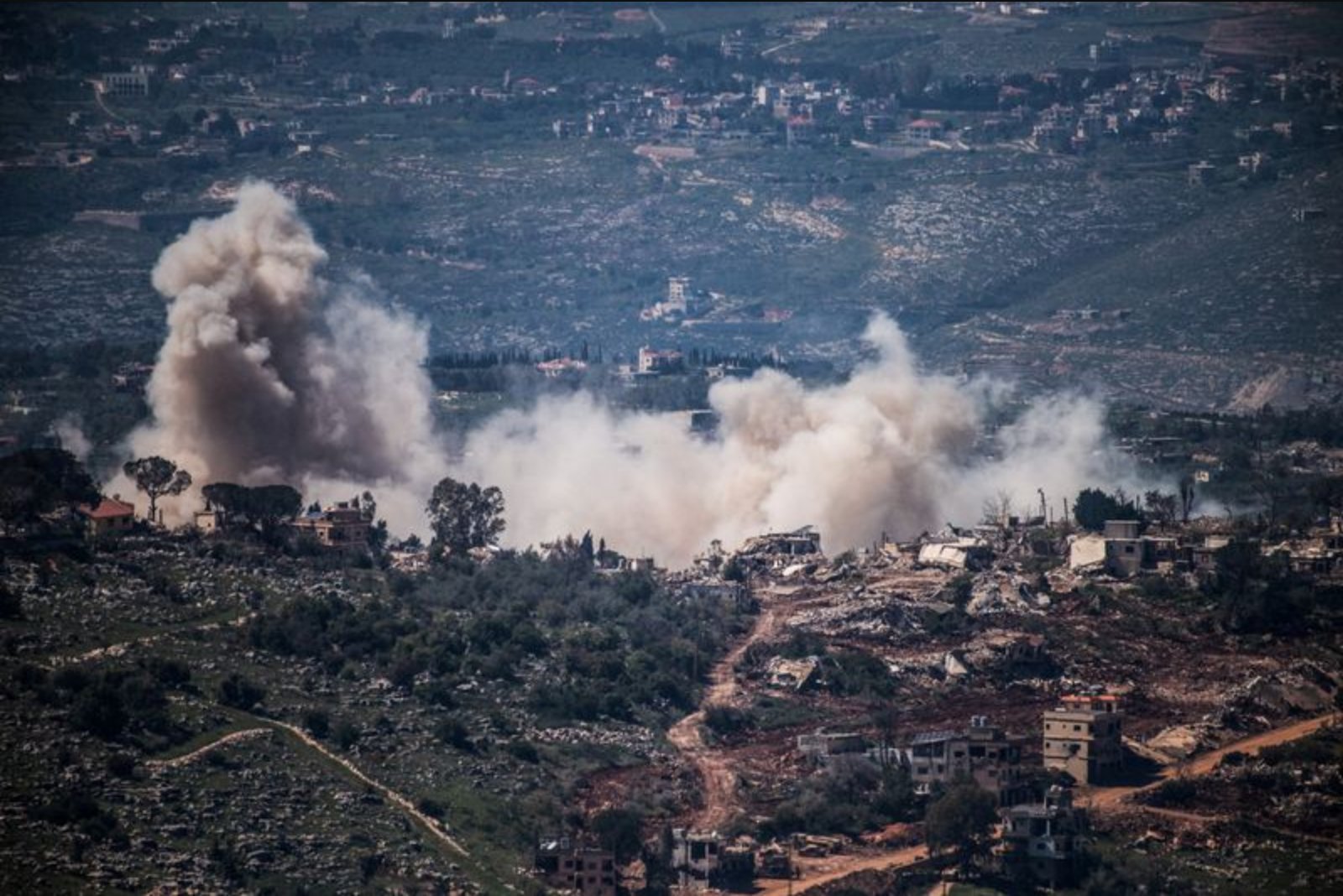
  • Hezbollah lawmaker Ali Fayyad said the ceasefire was "meaningless" due to continued Israeli actions in southern Lebanon, including assassinations, shelling, gunfire, and demolition of villages and towns, and asserted the group's right to respond proportionately.
  • The ceasefire that came into effect on April 16 has led to a significant reduction in hostilities overall, but exchanges of fire between Israel and Hezbollah have continued in southern Lebanon, where Israel maintains forces in a self-declared buffer zone.

Lebanon's Hezbollah dismissed the meaning of a U.S.-brokered ceasefire with Israel, saying the truce lost significance after what it described as continued Israeli hostile acts in the south of the country. The statement came a day after U.S. President Donald Trump announced a three-week extension to the agreement following White House meetings with Israeli and Lebanese ambassadors.

The ceasefire arrangement between Lebanon and Israel had been scheduled to expire on Sunday. In a response to the extension, Hezbollah lawmaker Ali Fayyad criticized Israel's conduct in southern Lebanon, saying it undermined the ceasefire's value. Fayyad singled out "assassinations, shelling, and gunfire" and the demolition of villages and towns in the south as reasons the ceasefire was rendered "meaningless," and reiterated that the group retained the right to respond.

"It is essential to point out that the ceasefire is meaningless in light of Israel’s insistence on hostile acts, including assassinations, shelling, and gunfire" and its demolition of villages and towns in the south.

Hostilities between Hezbollah and Israel reignited on March 2, when Hezbollah opened fire in support of Iran in the regional war, according to the account in the statement. The ceasefire covering Lebanon was negotiated separately from U.S. efforts to address the United States' conflict with Iran, although Iran had urged that Lebanon be included in any broader truce.

The U.S.-mediated ceasefire took effect on April 16 and has coincided with a marked reduction in overall hostilities. Despite that reduction, Israel and Hezbollah have continued to exchange attacks in southern Lebanon. Israel has maintained troops in an area it describes as a self-declared "buffer zone," and Hezbollah has said that any Israeli aggression against Lebanese targets permits it to respond proportionately.

Fayyad's remarks emphasized that, in Hezbollah's view, the continuation of Israeli operations in the south sustains a state of contention despite the formal extension of the ceasefire. The statement makes clear that the group considers its right to retaliate to be preserved so long as Israeli actions against Lebanese targets continue.


Contextual note - The information presented here is limited to the details included in the official statements and announcements referenced above. No additional developments beyond those statements are addressed.

Risks

  • Continued Israeli strikes and operations in southern Lebanon - ongoing exchanges of fire persist despite the ceasefire extension, sustaining security risks in the border region.
  • Re-escalation due to retaliatory actions - Hezbollah has stated it has the right to respond proportionately to any Israeli aggression against Lebanese targets, creating uncertainty about future incidents.
  • Limited scope of the truce - the ceasefire for Lebanon was negotiated separately from efforts to resolve the wider U.S.-Iran conflict, and Iran had urged inclusion of Lebanon in any broader truce, indicating potential diplomatic complexity.

More from Commodities

White House Extends Jones Act Waiver by 90 Days to Ease Domestic Commodity Movements Apr 24, 2026 European Gas Prices Edge Up as Mideast Tensions Squeeze Supplies Apr 24, 2026 Shipping Through Strait of Hormuz Plummets to Five Vessels in 24 Hours Apr 24, 2026 Schrödinger’s ceasefire leaves oil, markets and central bank outlook in limbo Apr 24, 2026 Goldman: Gulf Oil Output Slashed by 57% from Pre-War Levels, Recovery May Be Slow Apr 24, 2026