
Weekend escalations in U.S.-Iran relations have undermined an emerging optimism that both sides might secure a lasting ceasefire, according to analysts at Wolfe Research.
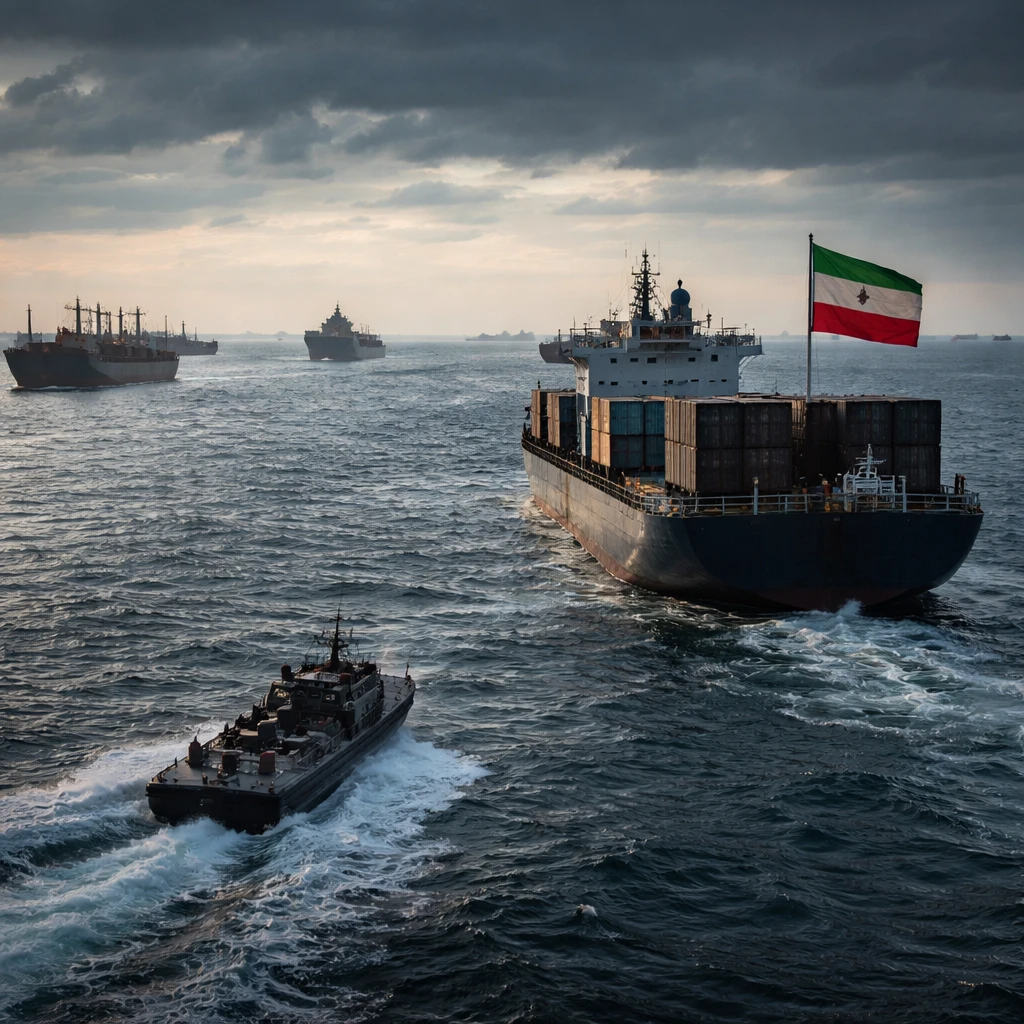
The tensions were crystallized by U.S. moves that appeared to go beyond the temporary cessation of hostilities. Washington has signaled it may continue to enforce restrictions on Iran’s ports and coastal waters and acted to seize an Iranian-flagged ship it says was attempting to bypass a blockade. Iran has vowed retaliation, contributing to the heightened strain.
Wolfe Research analysts Tobin Marcus and Chutong Zhu highlighted additional uncertainty about whether Iran’s ruling authorities are fully committed to a deal. They pointed to conflicting statements from the foreign minister and the Islamic Revolutionary Guards Corps about whether the Strait of Hormuz - the strategic waterway along Iran’s southern coastline - is open for commercial navigation. At present, the analysts said, the strait appears to be closed.
All of this unfolds as a two-week ceasefire between the two sides approaches its scheduled expiration later this week. President Donald Trump has indicated that U.S. envoys will travel to Pakistan for talks with Iranian representatives, though Iran has not confirmed its attendance. Wolfe Research said it assumes the discussions will take place this week, reasoning that "it doesn’t make much sense for [Iran] to outright refuse further negotiations" given Tehran had earlier suggested a memorandum of understanding was "inches away" during a prior round of discussions earlier this month.
The analysts cautioned that the ceasefire’s end date is "arbitrary" and noted similar deadlines have repeatedly been adjusted since the war began in late February. They added that even if both Washington and Tehran remain willing to strike a deal, substantive disputes are unlikely to be bridged within days. Wolfe Research singled out U.S. demands that Iran abandon uranium enrichment as a particular point of contention.
Wolfe Research described the weekend’s spike in tensions as a "clear step backward," but said they still expect both capitals will favor negotiation and economic pressure over renewed large-scale kinetic conflict. That preference, they argued, would probably be sufficient to extend the ceasefire.
The analysts also noted market participants have largely treated the weekend events as a modest setback for now. They warned, however, that if talks this week fail to reopen the Strait of Hormuz, an extended negotiation process could deepen economic disruptions even without a return to full-scale war.
Clear summary
Renewed U.S.-Iran tensions following U.S. enforcement actions and ambiguous statements from Iranian authorities have complicated hopes for a permanent ceasefire. The Strait of Hormuz currently appears closed to commercial ships, a temporary two-week truce is expiring this week, and planned talks in Pakistan remain unconfirmed by Tehran. Analysts warn deep substantive disagreements - such as over uranium enrichment - may prevent a quick resolution, though both sides are expected to prefer negotiations and economic measures over outright war.