
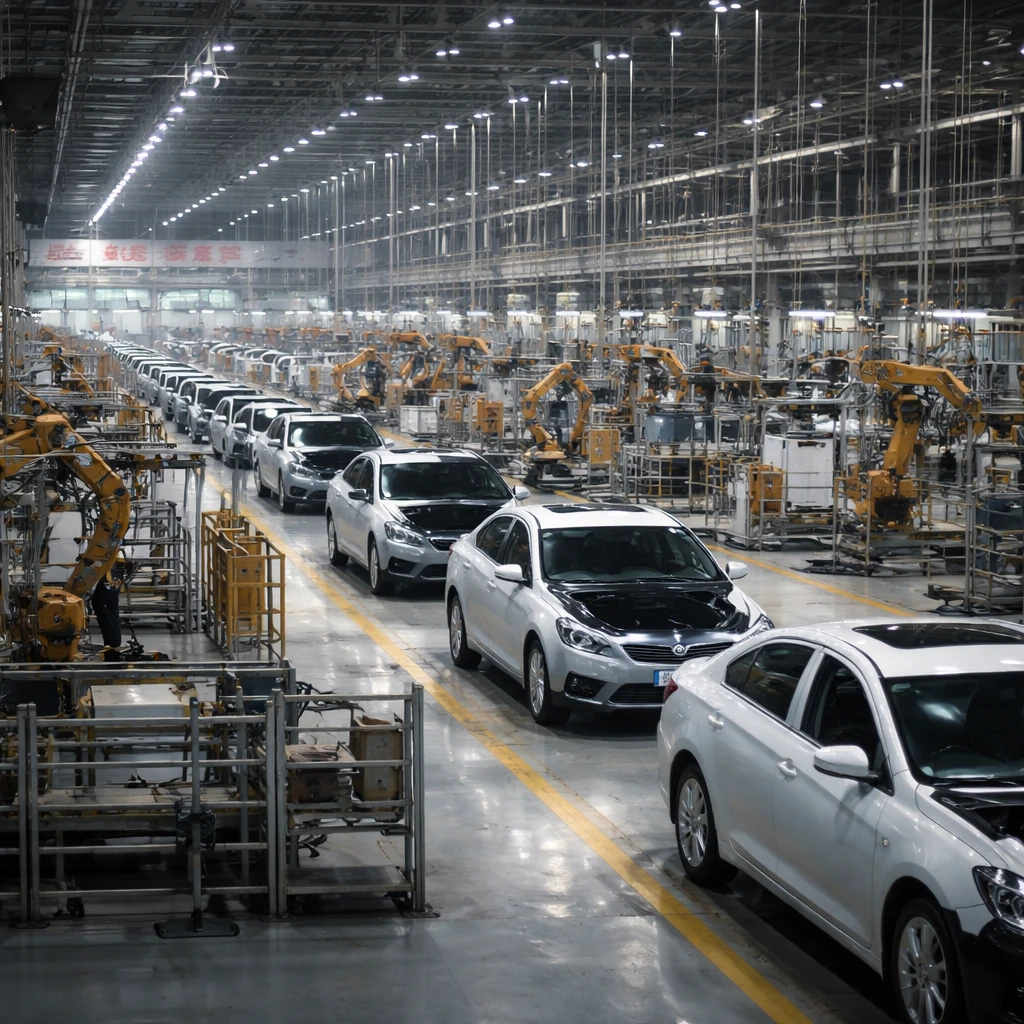
Honda Motor Co is preparing to curtail gasoline vehicle production in China by closing one of its joint-venture plants this year and potentially suspending another in 2027, according to people familiar with the matter. The immediate shutdown is scheduled for June at a plant operated with Guangzhou Automobile Group, while a second gasoline-focused facility run with Dongfeng Motor could be paused next year.
The planned stoppages would substantially reduce Honda's petrol-car manufacturing footprint in China. If one plant at each venture is closed, Honda's annual petrol-car capacity in China would fall from about 960,000 units to roughly 480,000 units. The company's total capacity in the market would also drop to approximately 720,000 vehicles under that scenario.
Executives view the plant suspensions as part of a broader strategic shift. The restructuring effort is linked to a transition toward electric vehicles and follows a sharp decline in Honda's sales in China. The overhaul could carry a significant price tag, with estimates of restructuring costs reaching up to $15.7 billion.
The closures underline intensifying pressure on foreign automakers operating in China as local electric-vehicle makers expand rapidly. Domestic EV manufacturers have been gaining market share, creating a more challenging environment for legacy automakers that remain dependent on gasoline-powered models.
Operationally, the June suspension will affect the Guangzhou Automobile Group joint venture, removing a source of gasoline vehicle output in the near term. The potential 2027 pause at the Dongfeng Motor venture would further reduce production capacity if it goes ahead. The timing and final scope of the 2027 action remain contingent on the company’s evolving plans.
Honda’s capacity reductions and restructuring are framed by the company’s pivot toward electrification in response to weaker demand for gasoline cars in China. The move to shutter plants dedicated to petrol models represents a concrete adjustment to manufacturing footprint and production planning, with consequences for joint-venture partners, supply chains, and the competitive dynamics of the Chinese auto market.
Analysis
The announced plant suspensions reflect a combination of reduced demand for petrol vehicles in China and strategic reallocation of resources toward EV programs. The projected hit to output capacity - cutting petrol capacity by half - is a large-scale operational change that will affect manufacturing volumes, supplier orders, and JV utilization rates.