
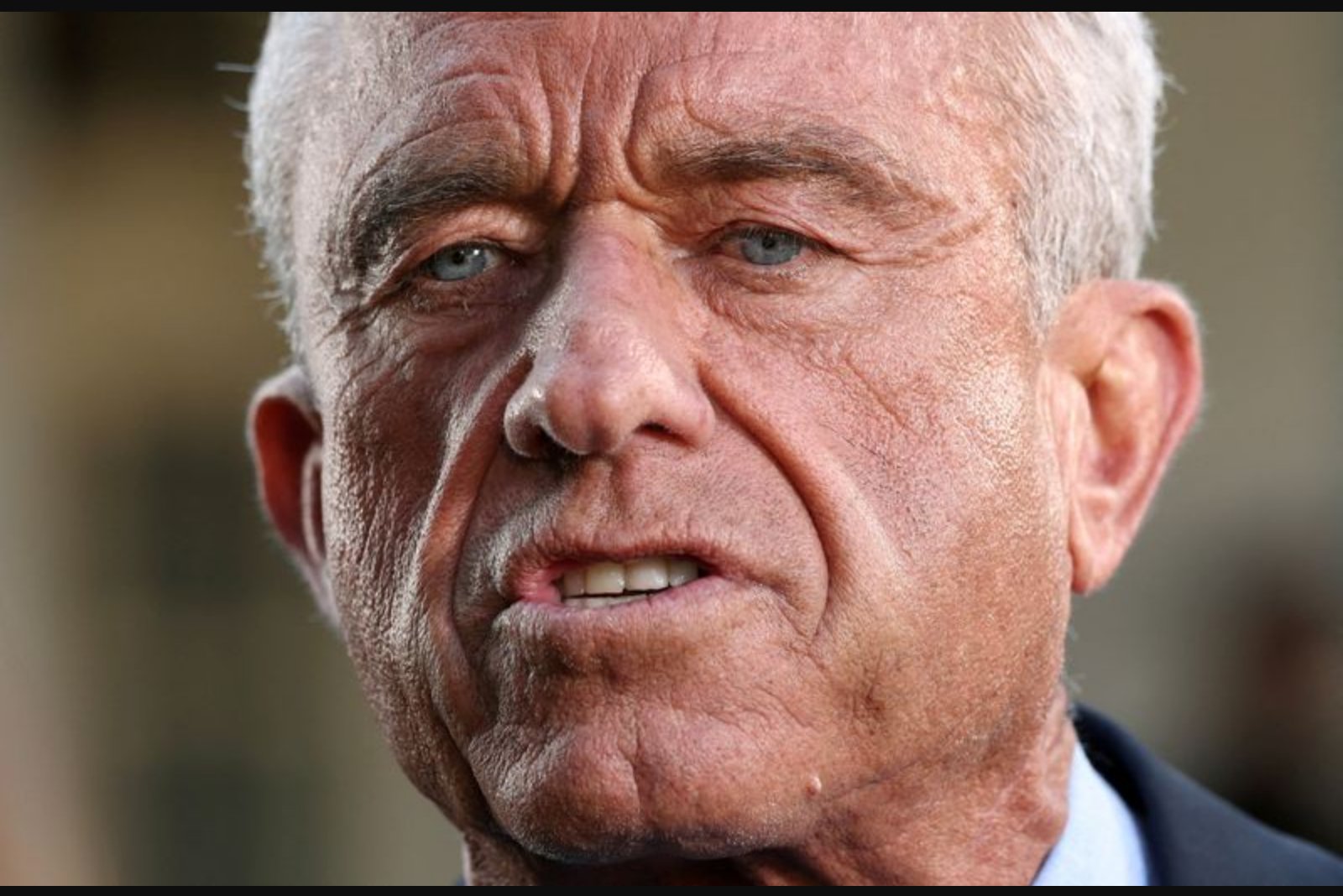
U.S. Health and Human Services Secretary Robert F. Kennedy Jr. will underline initiatives on nutrition and food safety when he speaks to Congress on Thursday, according to a 12-page written statement submitted ahead of two hearings, while omitting mention of plans to overhaul the childhood vaccination schedule or to identify causes of autism.
The absence of those topics from the prepared testimony is the latest indication that the nation’s top health official is refraining from airing some of his more contentious positions as political attention intensifies ahead of the November midterm elections. Two sources familiar with the matter told Reuters that the White House recently urged health officials to reorient policy discussions toward more widely supported issues as President Donald Trump and Republican leaders work to shore up narrow congressional majorities.
Kennedy, who has a long record as an anti-vaccine activist, suffered a legal setback last month when a court ruling limited key parts of his effort to alter U.S. vaccine policy. He is scheduled to appear before two U.S. House panels on Thursday to discuss the health elements of the Trump administration’s proposed 2027 budget, and is slated for four additional hearings before House and Senate committees next week.
The administration’s request seeks $111 billion for the Department of Health and Human Services, which the written materials say represents a 12.5% reduction from current funding levels. The proposal includes a $5 billion cut to the National Institutes of Health and would eliminate a low-income energy assistance program.
Several prominent Republicans, including Senate Appropriations Committee Chair Susan Collins, have criticized the proposed cuts as unnecessary. Democrats are expected to press Kennedy on a range of health concerns: rising health-care costs, steps that critics say have undermined public confidence in vaccines, the cancellation of NIH grants that officials say has delayed biomedical research, and his oversight of a large measles outbreak.
Kennedy’s prepared statement emphasizes achievements under the administration’s "Make America Healthy Again" initiative and other priorities the document lists as central to its agenda: nutrition, food safety, lowering drug prices, fraud prevention, and restricting children’s access to gender-affirming care. The written testimony includes the line: "We cannot hope to make America great again without first making Americans healthy again," and characterizes nutrition as "the bedrock of health - the key to reversing the chronic disease epidemic."
When asked about the omission of vaccine and autism-related topics from the written testimony, Department of Health and Human Services spokesperson Andrew Nixon said: "Secretary Kennedy speaks about a broad range of issues that affect the health and well-being of American families, and his statement reflects the priorities Americans consistently say matter most to them, from chronic disease prevention, childhood nutrition, food quality, and affordable health care." Nixon did not say whether Kennedy would raise vaccines or autism during the hearing or whether the White House had explicitly directed him to focus on more popular policies ahead of the election.
The administration is navigating competing constituencies. It must weigh the expectations of millions of "Make America Healthy Again" supporters who helped reelect the president in 2024 yet are reportedly displeased by a presidential order to increase pesticide production, against the broader public’s relatively low support for Kennedy’s anti-vaccine positions.
During his tenure, Kennedy has pushed to reduce the recommended number of childhood vaccines, reorganized a Centers for Disease Control and Prevention advisory panel of vaccine experts, and pledged to identify the cause of autism. He and his supporters have repeatedly linked autism to vaccines, a claim that has been widely discredited in scientific circles. At times, that stance has had the explicit backing of President Trump, according to reporting in the written materials.
Lawmakers will scrutinize both policy priorities and budget choices as Kennedy testifies. The proposed $111 billion HHS budget and its specific reductions, including a $5 billion cut to NIH and termination of a low-income energy assistance program, are likely to be focal points for questions from both parties. The written testimony’s focus on nutrition and food safety shifts the public debate away from vaccine policy in the near term, but critics and Democratic lawmakers are prepared to raise concerns spanning public-health confidence, research funding disruptions, and responses to infectious disease outbreaks.
As the hearings proceed, the administration’s approach appears to be one of emphasizing topics aimed at broad voter appeal while leaving more divisive policy proposals out of its immediate witness statements. How that strategy will play in hearings and in the political run-up to November remains a central question for members of Congress and stakeholders in public health and biomedical research.