
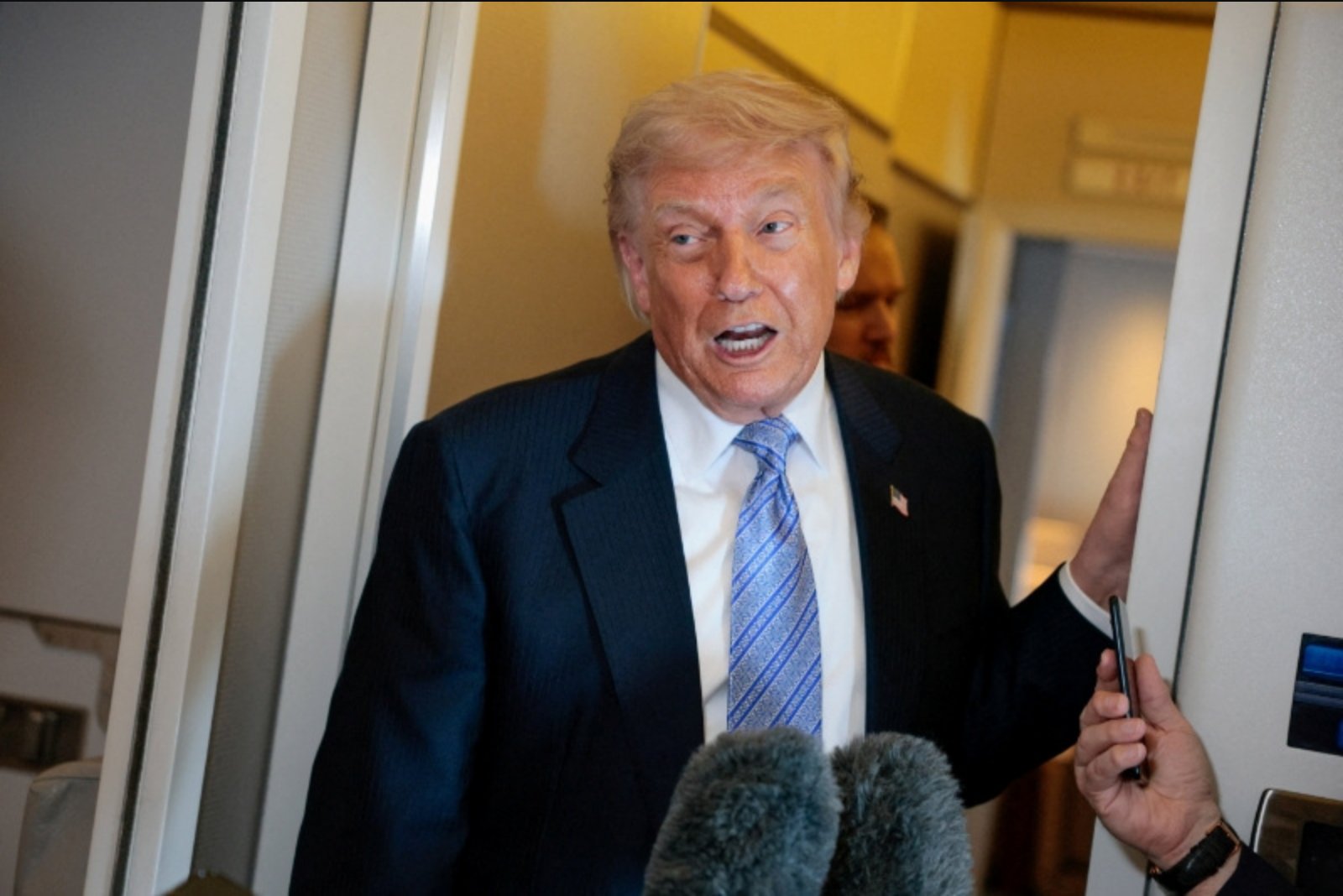
The Justice Department has issued a concise directive that, in its language, "forever barred" the Internal Revenue Service from conducting audits into past tax claims related to President Donald Trump, his family members and his business entities.
Signed by acting Attorney General Todd Blanche, the single-page document states that the U.S. government may not audit Trump’s tax returns filed before Monday or any matters "that were raised or could have been raised."
The order represents an expansion of an agreement reached earlier this week between Trump and the IRS. Under that prior settlement, Trump agreed to abandon a $10 billion lawsuit he had filed over the public disclosure of his tax returns. The new one-page order extends the protections spelled out in that deal to bar IRS audit activity into the specified historical tax matters.
As part of the settlement framework, the Justice Department established a fund of nearly $1.8 billion intended to compensate individuals described in the agreement as victims of political "weaponization." The one-page order and the fund together form the broader terms of the resolution between the parties.
Blanche appeared before Congress this week for his first testimony since becoming acting attorney general, and he was repeatedly questioned about the nearly $1.8 billion fund during that session. The public record shows those questions took place on Tuesday.
Summary of the core elements of the order and settlement:
- The Justice Department issued a one-page order signed by acting Attorney General Todd Blanche that bars IRS audits into specified past tax matters.
- The prohibition covers President Trump, his relatives and his companies with respect to tax returns filed before Monday, and extends to matters "that were raised or could have been raised."
- The order expands an earlier settlement in which Trump agreed to drop a $10 billion lawsuit tied to the leak of his tax returns and accompanies the creation of a nearly $1.8 billion fund to compensate alleged victims of political "weaponization." Blanche faced repeated questions about that fund during congressional testimony.
Because the directive is brief and framed as an expansion of the settlement, the public document leaves the specific operational details and oversight mechanisms for the fund and the order unspecified in the text released alongside it.
The Justice Department document and the settlement it amplifies constitute the current official posture on audits into the described historical tax filings and related matters for the individuals and entities named.