
Overview
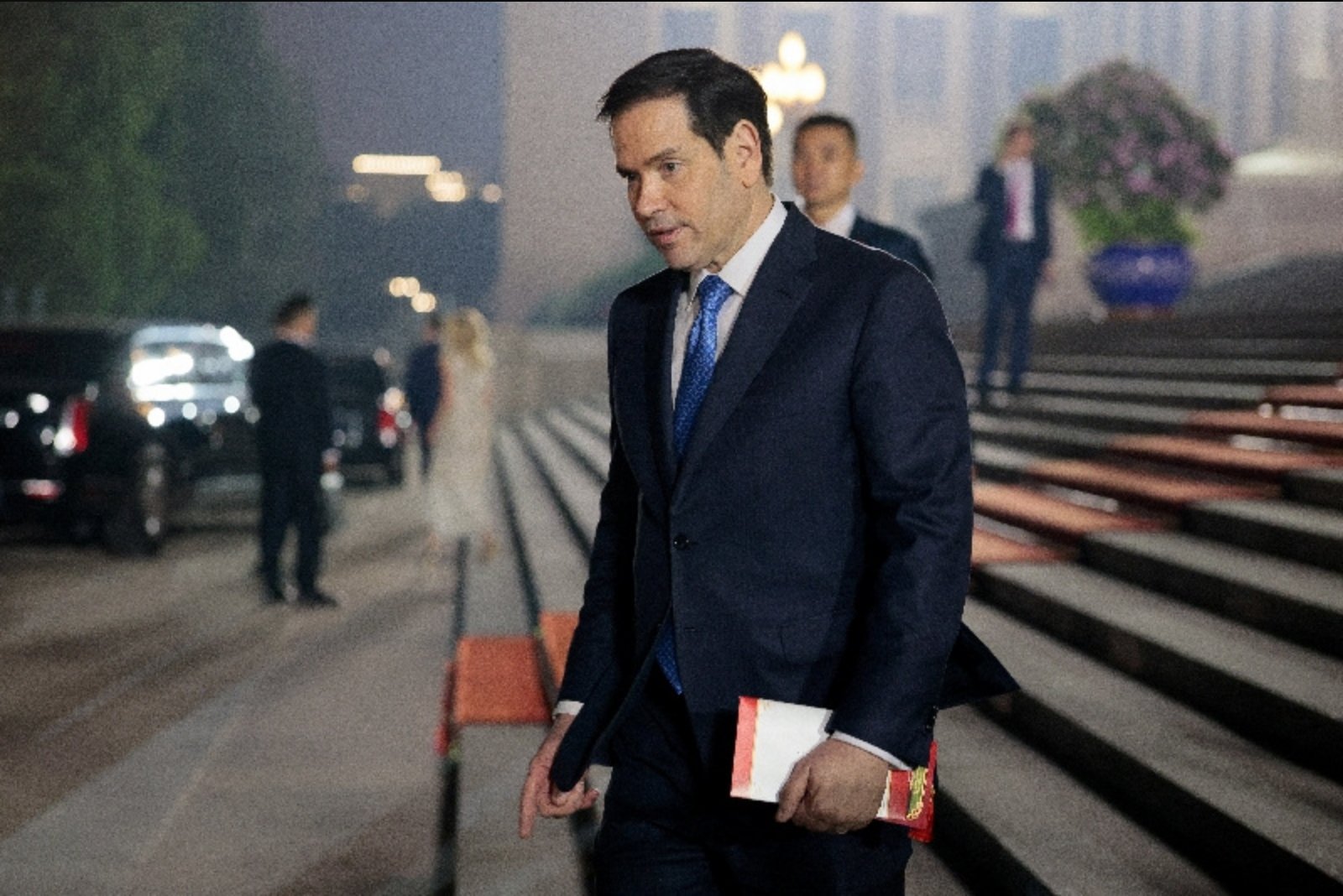
U.S. Secretary of State Marco Rubio is scheduled to attend a meeting of NATO foreign ministers in Sweden this week before traveling to India for a multi-city visit, the State Department said. Rubio's agenda in Sweden will focus on urging allies to increase defense spending and to assume a larger share of the alliance's collective security responsibilities. He will then travel to India to pursue talks on energy security, trade and defense cooperation across four cities.
Sweden visit and NATO meeting
Rubio will stop in Helsingborg on May 22 to take part in NATO foreign ministers' discussions, where he plans to underscore the need for "increased defense investment and greater burden sharing in the Alliance," according to a State Department statement. The Secretary of State will use the meeting to press NATO members on contributing more to shared military efforts and related commitments.
During the Sweden stop, Rubio is also scheduled to meet counterparts from the Arctic Seven nations - Canada, Denmark, Norway, Sweden, Finland and Iceland - in order to discuss "shared economic and security interests," the State Department statement said.
India itinerary and topics
Rubio's visit to India runs from May 23 to May 26, with stops planned in Kolkata, Agra, Jaipur and New Delhi. The State Department said he will engage Indian officials on energy security, trade, and defense cooperation during the trip. The sequence of visits is designed to cover both bilateral and regional issues tied to energy flows and security partnerships.
Context of U.S. relations with NATO and India
The State Department's announcement framed the trip against a backdrop of tensions reported under President Donald Trump, when U.S. relations with both NATO and India were described as strained. The administration repeatedly criticised NATO members for not doing more to fund and support joint military efforts, and the president had at times threatened to withdraw the United States from the alliance. On the India front, the administration imposed high tariffs on Indian goods - a measure that contributed to cooler relations between Washington and New Delhi at that time.
The relationship with European allies also experienced friction over decisions such as declining to send ships to help secure the Strait of Hormuz and President Trump’s earlier proposal to acquire Greenland, a semi-autonomous Danish territory.
Allied defense spending targets
European leaders have agreed that Europe should assume a larger share of its own defense responsibilities. NATO countries set new targets last year aiming for 3.5% of GDP on core defense spending and 1.5% of GDP on broader measures, which include areas such as cybersecurity, infrastructure and logistics.
U.S.-India trade and security dynamics
Trump and Indian Prime Minister Narendra Modi developed warm ties during the president's first term, but the relationship cooled after India was subjected to a number of high U.S. tariffs, many of which were subsequently rolled back. The two countries have been working on a trade deal intended to prevent further tariff increases.
India is also a member of the Quad security grouping alongside the United States, Japan and Australia. Separate reporting by Jiji Press noted that Japanese Foreign Minister Toshimitsu Motegi was expected to visit New Delhi on May 26 for a Quad meeting anticipated to concentrate on strengthening supply chains for critical minerals in response to China. The State Department statement about Rubio's travel made no mention of a Quad meeting.
Energy and the Strait of Hormuz
During an April telephone call, President Trump and Prime Minister Modi emphasized the importance of keeping the Strait of Hormuz open and secure. The waterway is a major conduit for oil shipments and was noted as supplying 40% of India’s crude oil imports, making its security a key concern in U.S.-India dialogue on energy security.
What remains unclear
The State Department statement provided the itinerary and listed the principal topics Rubio will raise but did not elaborate on the specific outcomes the United States expects to achieve from the meetings in Sweden or India. The announcement also did not reference any planned Quad session during Rubio’s visit.