
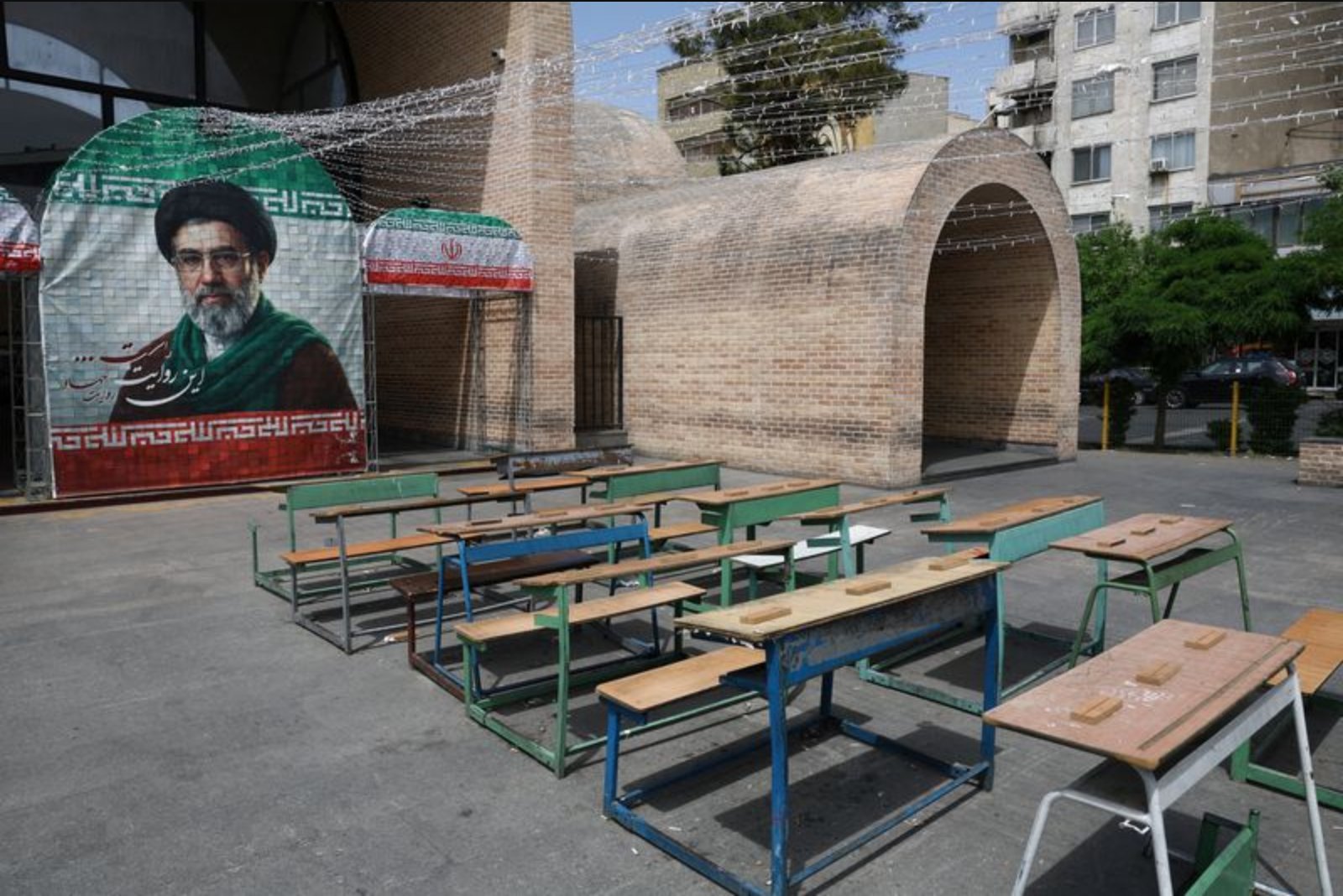
A U.S. military investigation into the deadly February 28 strike on a girls' school in Minab, Iran, is drawing to a close, U.S. Central Command (CENTCOM) commander Admiral Brad Cooper said on Tuesday during testimony before a U.S. House committee.
Cooper described the inquiry as "complex," noting that the school was sited on an active IRGC cruise missile base. He said the investigation is "coming to the end" and emphasized the importance of transparency, while also expressing reluctance to place a firm timetable on the final report. "I’m always reluctant to put a timetable on it. (The investigation) is coming to the end and I think transparency is important," he said.
The strike occurred on the first day of the conflict, February 28, and Iranian officials say it killed more than 175 children and teachers.
Democratic members of the House Armed Services Committee pressed Cooper to publicly acknowledge what they said were likely U.S. forces' responsibility for the attack. Representative Adam Smith, the committee's top Democrat, said there had been no official acceptance of responsibility 80 days after the strike. "It’s really pretty clear what happened there. But 80 days on, we have not taken responsibility for that attack," Smith said.
Cooper responded by stressing the differences he sees between this incident and other errant strikes in the past, pointing to the site's dual nature. "The school itself is located on an active IRGC cruise missile base. It’s more complex than the average strike," he said.
Archived snapshots of the school's official website show the school adjacent to a compound operated by the Islamic Revolutionary Guard Corps, the military force that reports to Iran’s supreme leader. In addition, sources familiar with the matter have indicated that U.S. officials responsible for assembling targeting packages appeared to have used out-of-date intelligence.
Cooper reiterated the military's stated policy that the U.S. does not target civilians and said the armed forces would follow the law of war "to a T." He faced questions from Republican lawmakers as well, who sought details about Iran's alleged strikes on civilians both inside Iran and across the Middle East.
During his testimony, Cooper estimated that Iranian security forces have killed tens of thousands of civilians inside Iran since late last year, and said that since the April 8 ceasefire Iran has hanged dozens of people. He also said Iran had intentionally struck civilian areas throughout the Middle East more than a thousand times since the conflict began in February, resulting in at least 300 civilian deaths.
Lawmakers pressed for greater clarity on the investigation's findings and on how the Pentagon will reconcile any preliminary determinations with its obligations under the law of armed conflict. Cooper acknowledged the sensitivity of the matter and the investigatory complexity posed by the presence of military infrastructure at or near the site of the civilian facility.
Context and next steps
Cooper's remarks signal that the formal inquiry is nearing publication, though he stopped short of announcing any preliminary conclusions. The committee members emphasized the need for transparency while also probing Iran's conduct and reported civilian casualties related to recent hostilities.
How the Pentagon will publicly address any findings and whether it will accept responsibility ahead of a final, completed investigation remains a point of contention among lawmakers.
Note on sources
Some information cited during the hearing referenced archival material and sources familiar with the matter regarding the preparation of targeting packages and the currency of the intelligence used.