
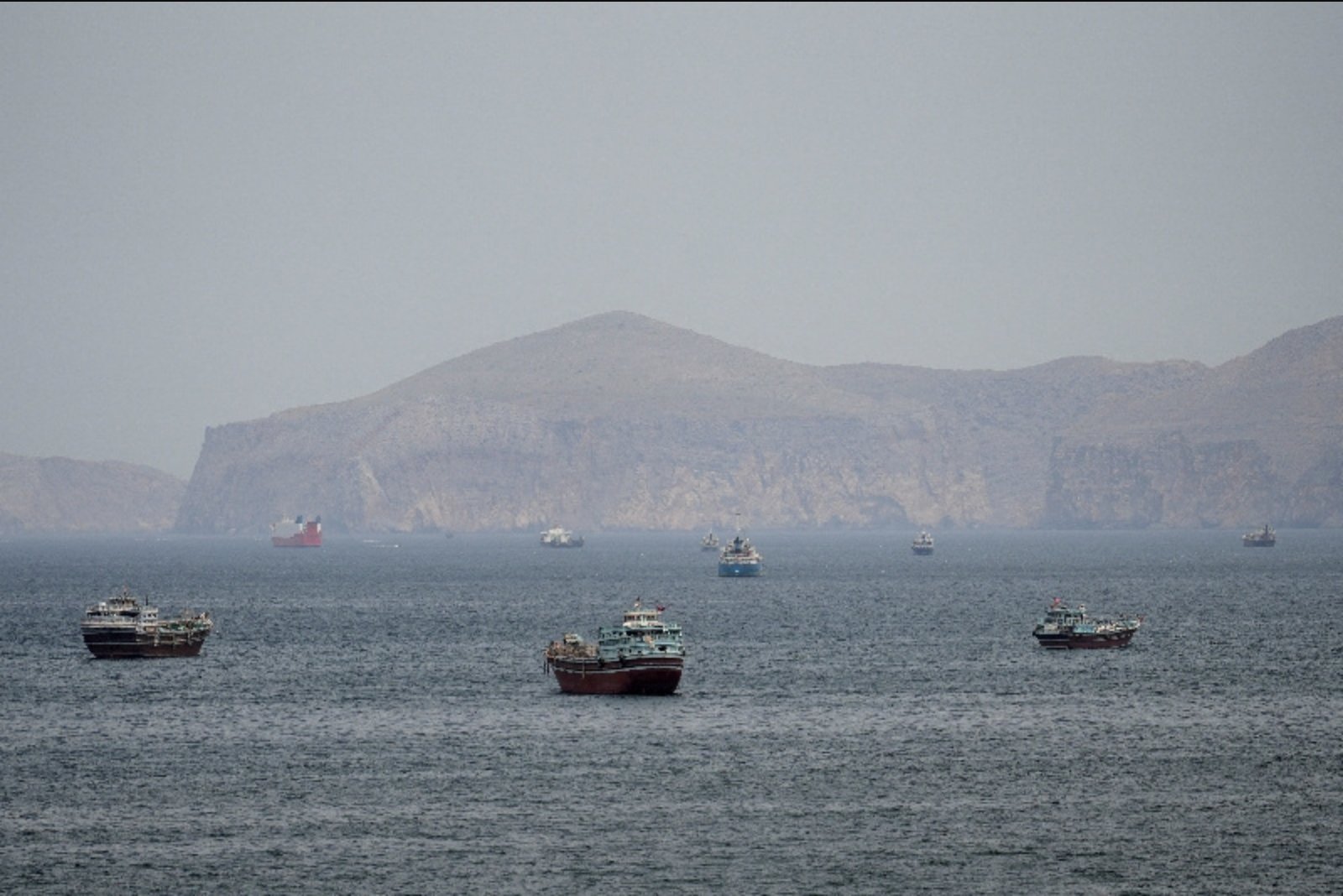
NATO has not started formal planning for a potential mission in the Strait of Hormuz and will only do so if it receives a clear political mandate, the alliance’s top military officer said on Tuesday. U.S. Air Force General Alexus Grynkewich, NATO’s Supreme Allied Commander for Europe, emphasised that political direction must come before operational planning.
"The conditions under which NATO would consider operating in the Strait of Hormuz are ultimately a political decision," Grynkewich said. "The political direction comes first, and then the formal planning happens after that. Am I thinking about it? Absolutely ... But there’s no planning yet until the political decision is taken," he told reporters in Brussels.
The Strait of Hormuz, a key Gulf waterway, has been subject to a blockade by Iran after military action was taken against the country in February by the United States and Israel. That blockade has been linked with higher oil prices, increased shipping costs and strains on raw material supplies.
Any NATO mission would require unanimous approval from all 32 alliance members. Diplomats report that several countries have already signalled they would oppose such a decision, and no formal NATO proposal has been tabled to date.
European capitals have expressed reluctance to be drawn into the conflict that began without their consultation, even as they indicate willingness to assist with securing the Strait after hostilities cease. In the meantime, France and Britain have taken the lead in assembling a coalition of countries intended to help ensure safe transit through the waterway once the situation stabilises or the conflict is resolved.
Within NATO there is no consensus. Some diplomats say the alliance could play a role, even if that role is not as mission lead. "Some allies believe NATO should play a role in Hormuz. NATO has a lot of maritime capabilities," one European diplomat said, speaking on condition of anonymity to discuss internal deliberations.
However, that view is not universally shared. According to four diplomats who spoke on condition of anonymity, multiple countries are either opposed to or hesitant about NATO’s involvement in the region. "Many allies do not see a role for NATO as such in that endeavour," one diplomat said.
Another diplomat framed the reluctance in political terms: "in my understanding the key reason is the reluctance to be seen to become a party to the conflict." A fourth diplomat noted the coexistence of support and opposition inside the alliance: "Several allies support a NATO Hormuz mission but the opposition is clear - that’s why we have a coalition (rather than a NATO mission)." The same diplomat added: "I don’t think there will be a formal NATO mission."
For now, the situation remains one in which national and coalition-level initiatives are moving ahead while NATO’s collective role is still under active political consideration. The alliance’s senior military leadership is signalling readiness to plan, but only after the necessary unanimous political direction has been given by member states.
Context limitations - The current public position from NATO’s Supreme Allied Commander is procedural: political guidance must precede planning. No formal NATO plan, proposal or timetable has been presented, and member states remain divided over whether NATO should be directly associated with operations in the Strait of Hormuz.