
President Donald Trump and members of his national security team expressed reservations about Iran's recent proposal to reopen the Strait of Hormuz in exchange for delaying discussions on its nuclear activities, the Wall Street Journal reported Monday evening.
The report said Trump reviewed the offer Monday morning, citing U.S. officials. He did not dismiss the proposal outright, but remained doubtful that Iran would engage in the negotiations in good faith or accede to his central demand - that Tehran cease nuclear enrichment and commit to never develop a nuclear weapon.
Despite the skepticism, the report indicated the United States intends to keep negotiating with Iran. The White House is expected to put forward a counterproposal within days, according to the same reporting. Trump has repeatedly emphasized that ending Iran's nuclear activities is the primary aim of the current conflict.
Last week the president extended an indefinite ceasefire with Iran and called for additional dialogue with Tehran as a route to end hostilities. Efforts at further talks brokered by Pakistan largely unraveled over the weekend, the report said.
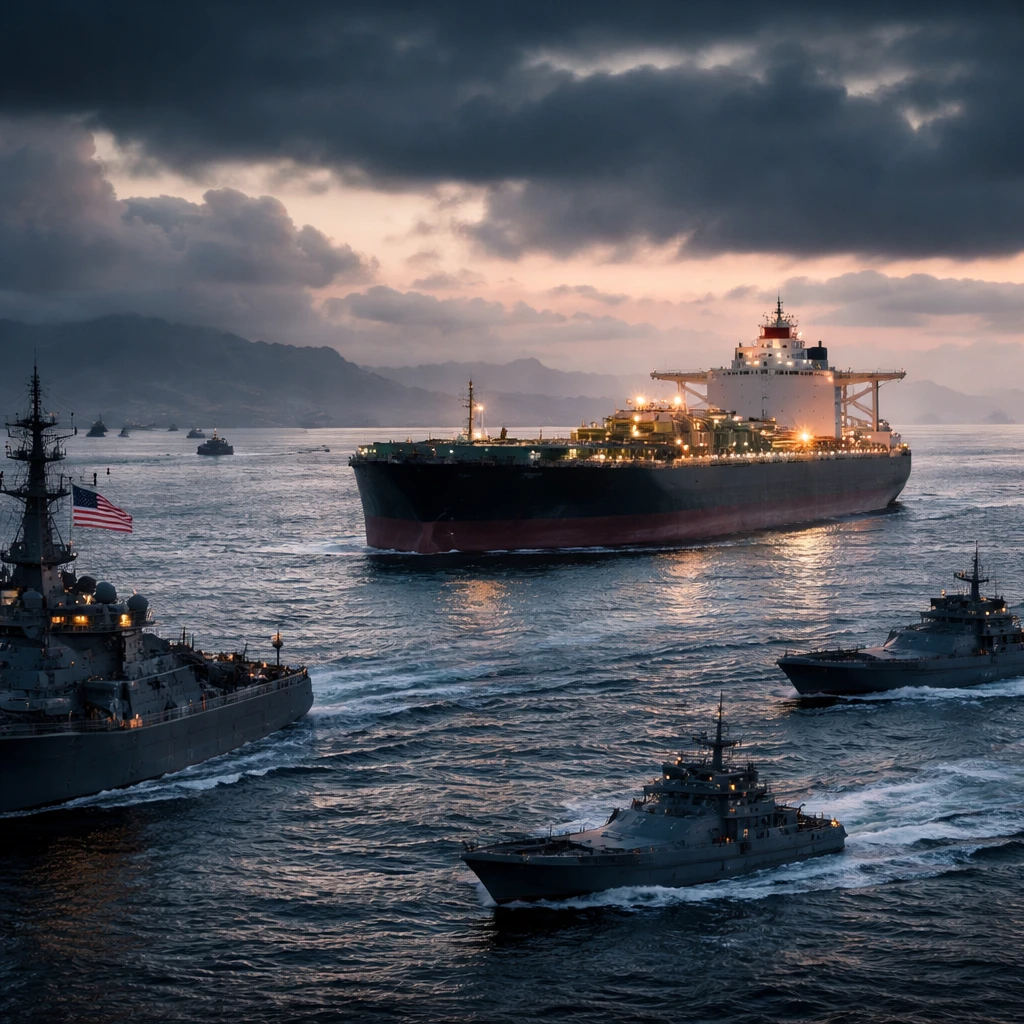
Two central points of dispute remain the U.S. naval blockade of Iran and Iran's ongoing closure of the Strait of Hormuz. The channel has been a focal point because, prior to its closure, it supplied roughly 20 percent of global oil consumption.
Trump had previously proposed the option of reopening the strait by force, but several major allies largely declined to join a coordinated naval operation when asked for assistance, according to the reporting.
Key points
- Trump and his national security team are skeptical of Iran's offer to reopen the Strait of Hormuz while postponing nuclear talks.
- The White House plans to continue negotiations and is likely to present a counterproposal in the coming days.
- Contentious issues include the U.S. naval blockade and Iran's continued closure of the strait, which previously accounted for about 20 percent of global oil consumption.
Risks and uncertainties
- Uncertainty over whether Iran will negotiate in good faith - relevant to diplomatic and defense sectors.
- Ongoing closure of the Strait of Hormuz and the U.S. naval blockade - relevant to global oil markets and shipping.
- Breakdowns in brokered talks, such as the recent Pakistan-brokered efforts that largely fell through - relevant to diplomatic progress and regional stability.