
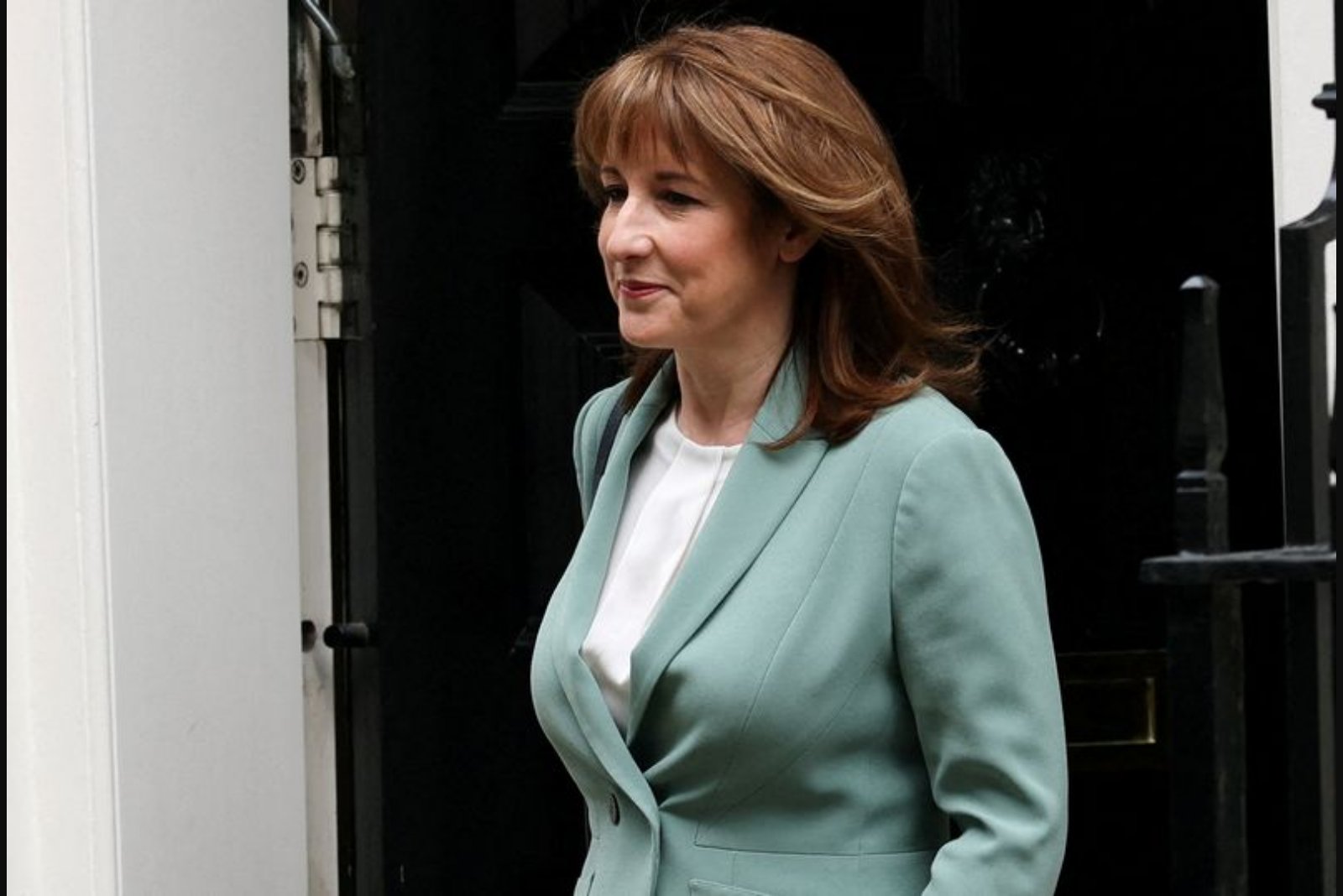
London, April 28 - A report from the House of Lords' Economic Affairs Committee says British finance minister Rachel Reeves should set a clear objective to reduce public debt below today’s level within the next three years rather than merely stopping its recent increase. The committee concluded that the fiscal rules Reeves announced in October 2024 do not go far enough to prevent public debt rising over the long term as a proportion of gross domestic product.
The committee, chaired by Stewart Wood - who is a member of Reeves' Labour Party - criticized the current framework as weak and called for a change in governmental conduct around fiscal management. "The UK’s fiscal framework is frail. The government’s behaviour must change with significantly larger fiscal buffers becoming the norm and these buffers not being used as a piggy bank that can be ’raided’," Wood said in the report.
The committee set its recommendations against a backdrop of long-term fiscal developments. It noted that self-imposed fiscal rules have influenced UK budget choices since 2010, when the Office for Budget Responsibility took over fiscal forecasting from the finance ministry. While those rules have been adjusted repeatedly, they have typically focused on aiming for medium-term balanced budgets together with a reduction in the ratio of debt to GDP.
Despite those goals, the committee highlighted the rise in Britain's public sector net debt from 61% of GDP in 2009/10 to 95% of GDP by 2025/26. The report attributes much of that increase to the large spending and revenue effects tied to the global financial crisis and to the COVID-19 pandemic.
The committee also pointed to a structural flaw it sees in the current rules. It said the supplementary target - which requires debt to be falling by the third year of a rolling forecast - can be satisfied on paper by pledges of future policy measures that are not actually implemented. "The current fiscal rules have retained a notable flaw from their predecessors: by requiring that debt must be falling by the third year of a rolling forecast, the supplementary target can still be met by promises of policy action which are never fulfilled," the report states.
Using the government's most recent budget forecasts from March, the committee set out the trajectory of Reeves' preferred debt measure, public sector net financial liabilities. Those forecasts show the measure rising slightly from 82.4% of GDP in 2025/26 to 82.9% in 2028/29. The committee noted that the margin - the headroom between forecast conditions and the balanced budget target - is small, at 0.7% of GDP, leaving that goal vulnerable to economic shocks.
In its recommendations, the committee urged that fiscal rules should aim to reduce current debt over the short term and to build larger buffers that are preserved for use only in genuine economic emergencies. It argued that reducing debt more rapidly during normal economic periods and maintaining substantial buffers would reduce the risk that future crises lead to a sustained and unsustainable rise in public debt.
The report frames its suggestions as a call for clearer, tougher targets and for a change in how government treats fiscal reserves, with an emphasis on structural resilience rather than temporary fixes.