
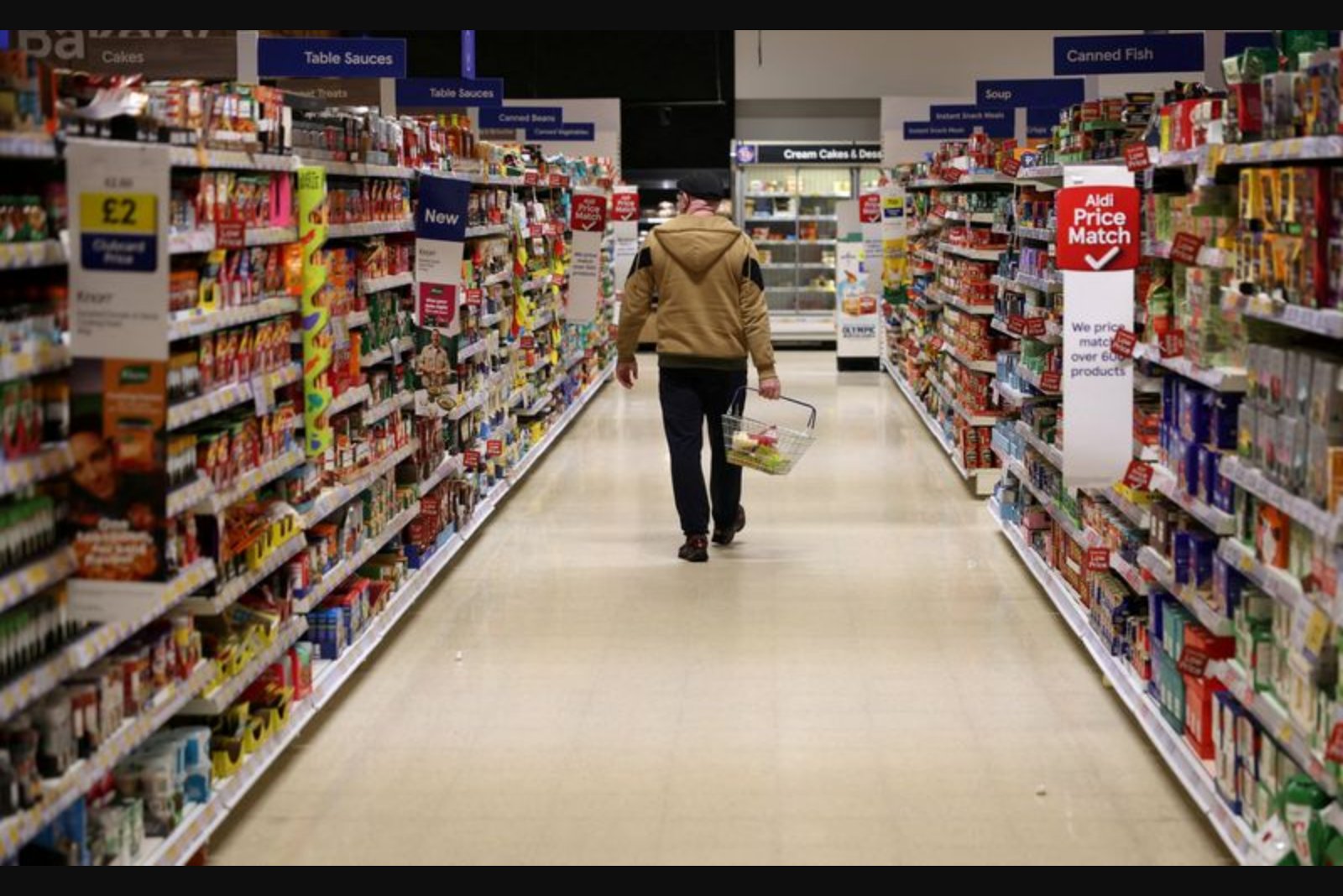
Easter promotional activity on chocolate eggs, home renovation items and clothing weighed on shop price growth in April, providing temporary relief for households facing higher costs elsewhere in the economy. The British Retail Consortium (BRC) said its monthly survey of major chains showed prices in April were an average 1.0% than a year earlier, down from a 1.2% increase in March.
The BRC reported food price inflation eased to 3.1% in April from 3.4% in March. BRC Chief Executive Helen Dickinson said retailers intensified price competition to try to stimulate spring spending as consumer confidence weakened: "With weakening consumer confidence, retailers competed harder on price to stimulate more spring spending."
Separate data from the Confederation of British Industry released earlier this week indicated retailers recorded the largest fall in sales volumes in more than 40 years. The BRC's retail inflation measure covers a narrower selection of goods than the official consumer price index, which stood at 3.3% in March.
While the retail sector has been holding down price moves, policymakers and forecasters remain alert to broader inflationary risks. The International Monetary Fund this month projected British inflation would reach 4% this year. Dickinson warned that the full effect of the Middle East conflict on consumer prices had not yet been felt: "While we’re yet to see the full force of the Middle East conflict feeding into consumer prices, it will not be long before it begins to."
The Bank of England's Monetary Policy Committee is meeting this week to decide on interest rates and is closely monitoring how much of increased costs businesses are passing through to consumers. Most economists expect the Bank to keep rates unchanged at this meeting for now.
Data provider NIQ, which supplies figures for the BRC survey, highlighted retailers' incentives to delay price increases while consumer demand remains fragile. Mike Watkins, head of retailer and business insight at NIQ, said: "Retailers will look to hold back any price increases as long as possible as alongside fragile consumer confidence, accelerating inflation is likely to negatively affect consumer spending."
Bank of England Governor Andrew Bailey told reporters this month that businesses he had consulted reported a lack of pricing power, a signal that could help prevent a repeat of the 2022 surge in inflation that peaked at much higher levels. For now, retailers' seasonal discounting and subdued food price pressures have contributed to a modest slowdown in shop price inflation, even as wider risks from international developments remain.