
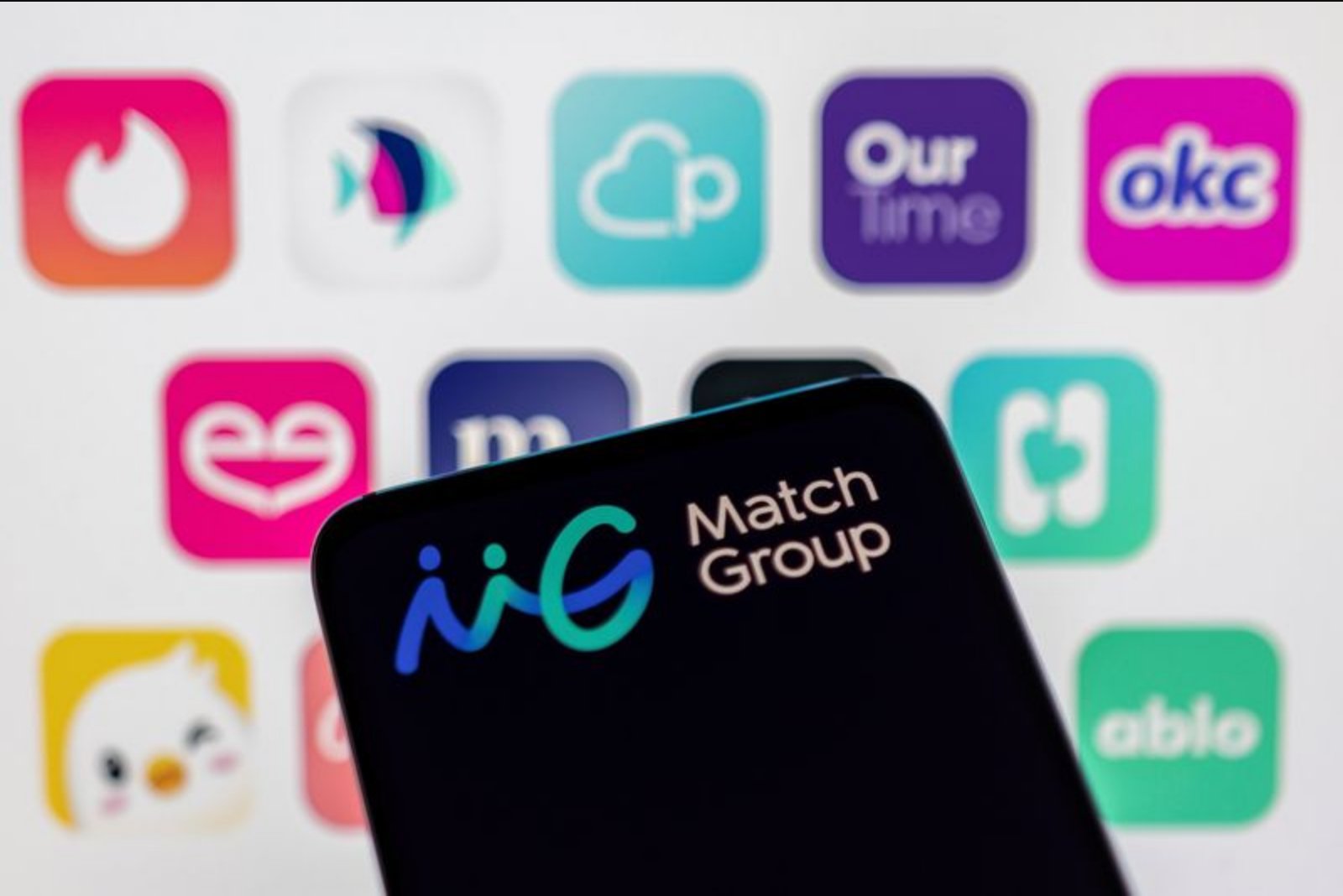
April 27 - Match Group is making a $100 million investment in Sniffies, a dating platform tailored to non-heterosexual men, under terms that give the Tinder parent a significant minority stake and an option to purchase the remaining equity at a later date.
The company said the move forms part of a broader effort by Match to refresh core product elements across its app portfolio - measures aimed at reducing harmful or negative experiences and improving overall user experience as younger cohorts become more selective when choosing dating platforms.
Platform scale and precedent
In its announcement, Match noted that Sniffies has expanded to an estimated 3 million monthly active users globally. The investment represents a strategic entry that follows a playbook Match has used previously: the company initially invested in Hinge in 2017 and completed an acquisition of that business in late 2018.
Market dynamics
Dating apps are operating in an increasingly competitive environment. Many companies in the sector are exploring AI-driven features as a way to better respond to changing user preferences and to enhance matchmaking. These technological bets are part of the competitive responses driving product development across the industry.
The deal also arrives against a backdrop of financing uncertainty in the sector. The LGBTQ+ dating app Grindr, for example, last year discontinued talks on a proposed $3.46 billion take-private transaction by its two largest shareholders, citing uncertainty over financing.
Implications and context
- The transaction gives Match a meaningful minority position in a specialized dating app and preserves the option to buy the remainder of the company at a future date.
- Match frames the investment as aligned with ongoing product work to limit negative user experiences and sharpen user experience for younger, more selective app users.
- The move mirrors an earlier strategy in which Match first invested in Hinge before ultimately acquiring it.
Match's announcement highlights both an appetite for targeted investments within specific market segments and a reliance on product and technology improvements - including AI features - to remain competitive as user expectations evolve.