
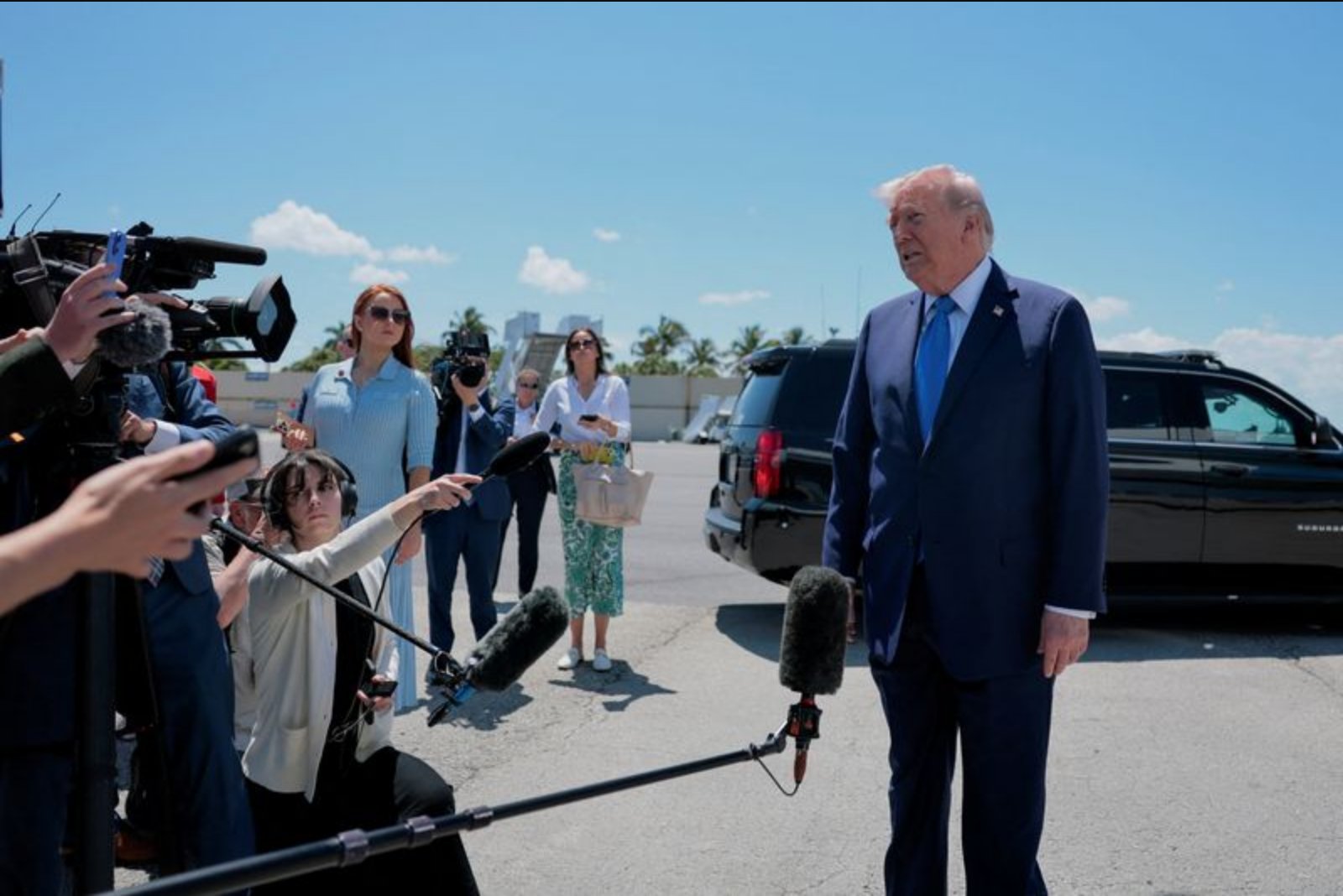
A U.S. official told reporters on Monday that President Donald Trump is dissatisfied with an Iranian proposal that, according to the official, fails to tackle Iran's nuclear program directly. "He doesn’t love the proposal," the official said, referring to the president.
Earlier in the day, the president reviewed the offer with his senior national security advisers. The comment from the U.S. official underscored a core disagreement: Iranian sources have said the proposal would set aside discussion of Iran’s nuclear program until after the war has ended and until disputes over shipping from the Gulf were resolved, while Washington has maintained that nuclear issues must be addressed from the outset.
The broader U.S.-Iran dispute remains at an impasse, and the situation has coincided with reduced energy supplies originating from the region, the official added. That continued stalemate has left diplomatic efforts fragile even as channels of mediation remain active.
Sources working through Pakistan, which has acted as a mediator, said that efforts to bridge differences have not stopped. Nonetheless, those involved in shuttle diplomacy acknowledged that hopes for a prompt revival of peace talks diminished after the president announced over the weekend that he had canceled a planned visit by his special envoy, Steve Witkoff, and his son-in-law, Jared Kushner, to Islamabad.
The competing positions outlined by the two sides - Iran proposing to delay nuclear discussions until other issues are resolved, and the United States insisting on immediate attention to nuclear concerns - have left little common ground for quick agreement. The U.S. official's comment reflects the administration's view that the proposal's sequencing is unacceptable.
With energy flows from the region reportedly reduced and diplomatic momentum uncertain, the situation remains fluid. Mediators say engagement continues, but recent developments have cooled expectations that talks will rapidly resume at a higher tempo.
Key facts
- President Trump expressed displeasure with an Iranian proposal that did not address Iran's nuclear program immediately.
- Iranian sources indicated the proposal would postpone nuclear discussions until the war ends and shipping disputes are resolved; the United States insists nuclear issues be dealt with from the start.
- Mediation through Pakistan is ongoing, but momentum weakened after the cancellation of a planned Islamabad visit by special envoy Steve Witkoff and Jared Kushner.