
Economy April 27, 2026 08:18 PM

More than 1,000 TSA officers have left amid DHS funding standoff, DHS says

Six-week unpaid furlough and political impasse coincide with staffing losses and prolonged airport security waits

By Hana Yamamoto
More than 1,000 TSA officers have left amid DHS funding standoff, DHS says

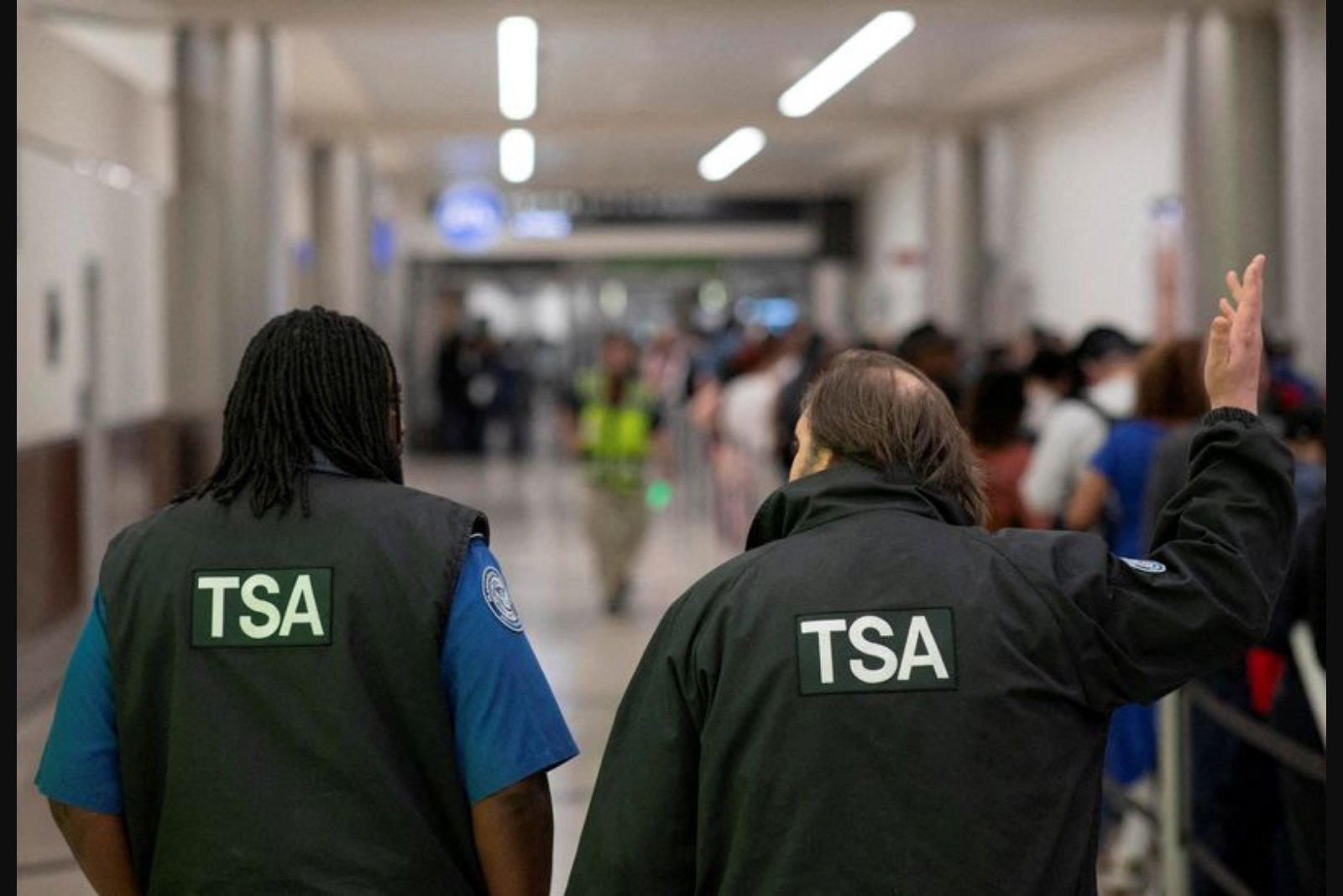
The Department of Homeland Security reported that over 1,000 Transportation Security Administration officers have departed since a funding shutdown began in mid-February. The agency said staffing losses accelerated over the spring as 50,000 TSA employees endured six weeks without pay, producing extended security wait times at some airports. Political disagreement over DHS funding, tied to demands for changes to Immigration and Customs Enforcement rules, remains unresolved.

Key Points

  • Over 1,000 TSA officers have left the agency since the mid-February DHS shutdown - staffing losses rose from 460 in late March to over 780 as of last week, per DHS.
  • Approximately 50,000 TSA employees worked without pay for six weeks, contributing to significant operational disruption including security waits of four hours or more at some airports - sectors impacted: aviation, travel, airport operations.
  • Political dispute over DHS funding centers on demands by Democrats for changes to ICE rules; the impasse and proposed administration plans to privatize TSA work and cut nearly 10,000 positions add uncertainty - sectors impacted: public safety, federal employment, private security contracting.

The Department of Homeland Security said on Monday that more than 1,000 Transportation Security Administration officers have left the agency since the DHS shutdown began in mid-February.

The agency provided a timeline of attrition: the number of departures was 460 in the last week of March and rose to more than 780 by last week, according to the DHS statement. The most recent total exceeds 1,000 officers who have left since the shutdown started, the DHS said.

The shutdown forced about 50,000 TSA employees to work without pay for six weeks. The prolonged unpaid period coincided with notable operational disruptions, including instances at some airports where security screening waits extended to four hours or more.

TSA staff manage screening operations at nearly all U.S. airports. The agency's loss of personnel and the earlier unpaid furlough period are part of the operational context cited by DHS when reporting the departures.

Lawmakers from the Democratic Party have been withholding DHS funding while pressing for revisions to rules governing Immigration and Customs Enforcement, the DHS component that oversees immigration enforcement operations. Those rule changes are a core demand in the negotiations over DHS appropriations.

Immigration and Customs Enforcement has been central to the administration's immigration enforcement agenda. Rights advocates and Democratic lawmakers have criticized the agency's actions, saying they amount to violations of free speech and due process rights. Those critics also contend the enforcement approach has created an unsafe environment for some groups, particularly minorities.

In response, the administration has framed the enforcement effort as necessary to strengthen domestic security and reduce illegal immigration. Earlier this month, the administration proposed substantial changes to TSA operations, including plans to privatize much of TSA's work and to reduce the agency's workforce by nearly 10,000 employees.


Context and operational note: The DHS figures and descriptions above were provided by the department. The details reflect DHS statements about staff departures, the effects of a six-week unpaid period for TSA personnel, and the political dispute tied to changes in ICE rules that has held up DHS funding.

Risks

  • Continued staffing attrition could exacerbate airport screening delays and operational disruption - potential impact on aviation and travel sectors.
  • The political stalemate over DHS funding tied to ICE rule changes creates uncertainty for agency operations and workforce planning - potential impact on federal employment and government contracting sectors.
  • Proposals to privatize TSA functions and reduce the workforce by nearly 10,000 employees introduce execution and transition risk for screening services and for companies that would bid for expanded roles - potential impact on private security contractors and airport operations.

More from Economy

Yen Holds Steady as BOJ Opens Week of Key Central Bank Decisions Apr 27, 2026 Asian Markets Drift Near Records as Investors Eye Tech Earnings and BOJ Decision Apr 27, 2026 Stable headline growth conceals strain on India's informal economy, economists warn Apr 27, 2026 Trump Expresses Doubt Over Iran Offer to Reopen Strait of Hormuz Apr 27, 2026 House of Lords Urges Clear Goal to Reduce UK Debt Within Three Years Apr 27, 2026