
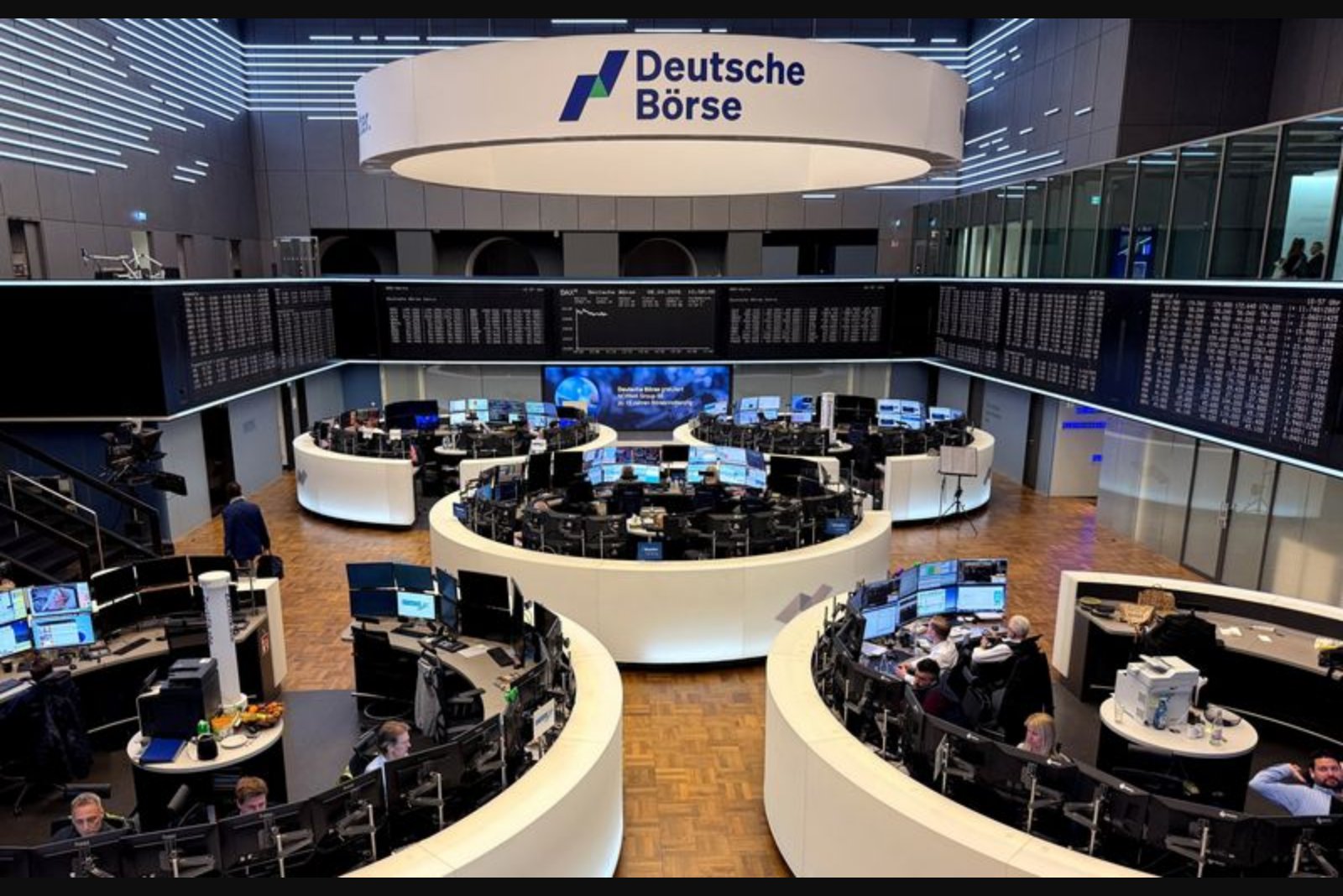
Markets entered the day with a cautious optimism as talk of an indefinite ceasefire in the Middle East gained traction, though significant uncertainty remains about whether all parties will endorse any new arrangement. U.S. President Donald Trump moved to extend a ceasefire unilaterally hours before the existing one was due to lapse, but it is unclear whether Iran or U.S. ally Israel have agreed - or would agree - to that extension.
At the same time, the U.S. has said it will continue blockading Iran’s ports and shores. That posture has effectively halted traffic through the Strait of Hormuz, a development that has kept Brent crude around the $100-a-barrel mark. Oil has eased off the peaks seen in March amid growing hopes of a peace deal, but the ongoing closure of the waterway means the risk of elevated energy prices - which remain above pre-war levels - and a potential inflationary shock persists.
With geopolitics only partially resolved, investors appear to be directing attention back to corporate results and economic releases. The main economic data on the European calendar is a British inflation report for March, which a Reuters poll of economists suggested would show consumer price inflation accelerating to 3.3% from 3.0% in February. That reading will be watched for signs of the local impact from the conflict in the Middle East.
On the corporate front, earnings from U.S. chipmaker Texas Instruments and electric vehicle maker Tesla later in the global trading day will be closely monitored for clues about how companies are managing pressures from energy and supply-chain disruption. The wider market narrative already reflects a rebound in equity prices; benchmarks have recovered losses sustained in March and are trading with a generally constructive tone.
U.S. stock futures were bid, up about 0.5%, while European futures pointed to a more muted start. In Asia the artificial intelligence theme regained prominence, helping push South Korean and Taiwanese markets to record highs. South Korean memory-chip manufacturer SK Hynix has risen into the ranks of the world’s top 20 most valuable companies, reflecting renewed investor appetite for regional semiconductor names.
There have also been notable corporate developments beyond the standard earnings calendar. Elon Musk’s SpaceX saw a string of headlines this week as the company moves toward what could be the largest initial public offering in history, adding another focal point for market attention alongside the earnings season.
Against this backdrop, investors will be watching a short list of data and events that could sway sentiment on Wednesday:
- United Kingdom - Consumer Price Index (CPI) and Producer Price Index (PPI) for March
- Euro zone - Flash consumer confidence for April
There is also continuing market chatter about specific stock opportunities. One subscription-based model, ProPicks AI, evaluates whether a $2,000 investment in Texas Instruments is attractive by analysing thousands of companies with over 100 financial metrics. The service claims it uses AI to screen fundamentals, momentum and valuation and cites notable past winners such as Super Micro Computer (+185%) and AppLovin (+157%).
With geopolitical developments still unresolved and the Strait of Hormuz effectively closed, market participants appear content to let earnings and economic data lead price discovery while keeping a watchful eye on energy-related inflation risks.