
Italy will keep in place a discount on fuel excise duties past the scheduled May 22 end date as part of emergency measures to blunt rising energy costs linked to the ongoing Middle East conflict, Deputy Prime Minister and Transport and Infrastructure Minister Matteo Salvini said in an interview on RTL 102.5 radio on Tuesday.
"We will certainly have to extend the excise cut," Salvini said. The government first introduced the excise reduction in March and extended it in late April, deploying approximately 1 billion euros - about $1.16 billion - to lower petrol and diesel pump prices.
Salvini highlighted Italy's vulnerability to disruptions in energy supply, noting that the country's heavy dependence on imported energy leaves it particularly exposed to disruptions related to the U.S.-Israeli conflict with Iran. That exposure has underpinned the government's decision to maintain fiscal measures aimed at keeping fuel costs down for consumers and businesses.
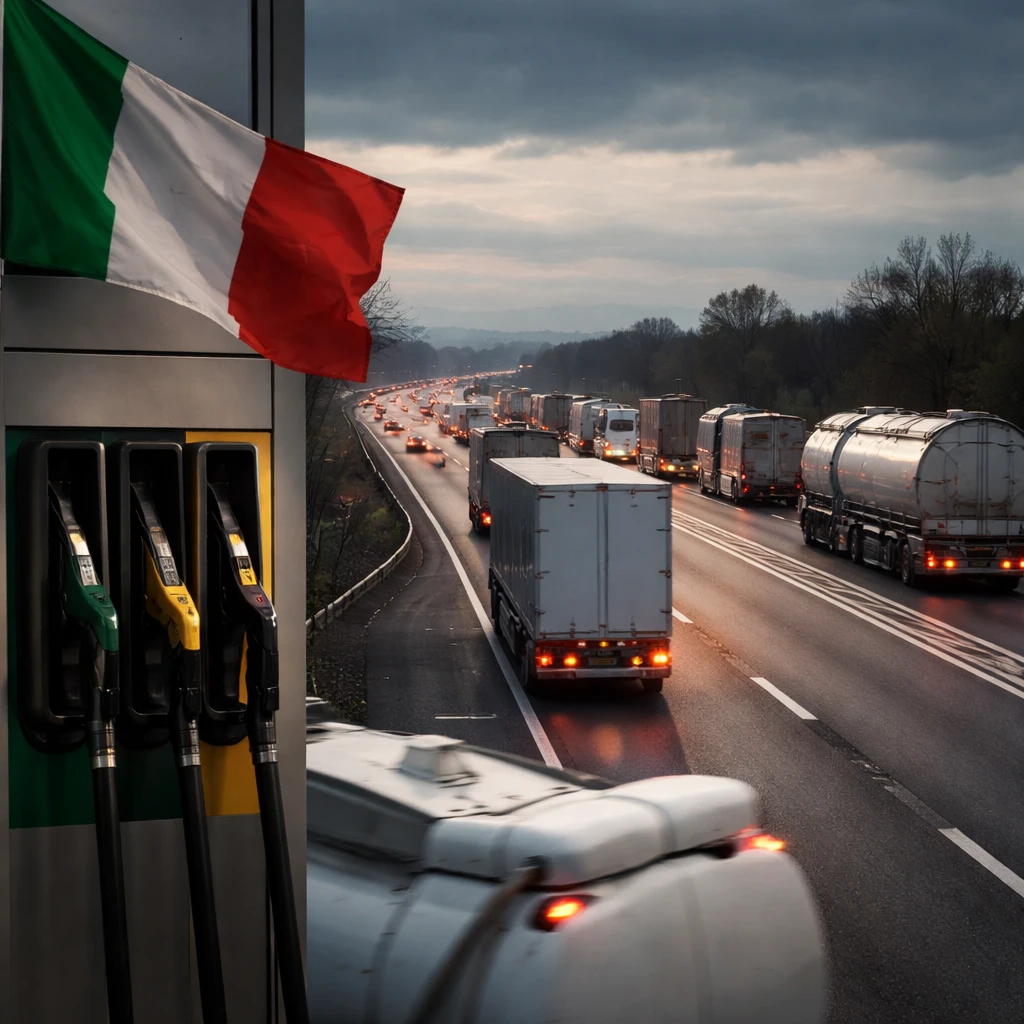
Despite the excise discount, Salvini said the aid has not delivered adequate relief for truck drivers. The sector is preparing a nationwide strike next week, a move that officials say the government is taking seriously. "They are right," Salvini said in reference to the planned industrial action.
To address the logistics sector's pressure, the government will meet with freight transport associations on Friday. The talks are intended to explore reviving a previously used tax credit measure and to secure several hundred million euros in support for the industry. Salvini framed the meeting as an effort to find targeted fiscal assistance for carriers that continue to face elevated fuel costs despite the excise reduction.
At present, details on the duration of the planned excise extension or the exact size and structure of any revived tax credit have not been provided. The government has already committed around 1 billion euros to the excise cut and will engage with stakeholders to determine further steps to support the transport sector and mitigate the effects of volatile international energy markets.