
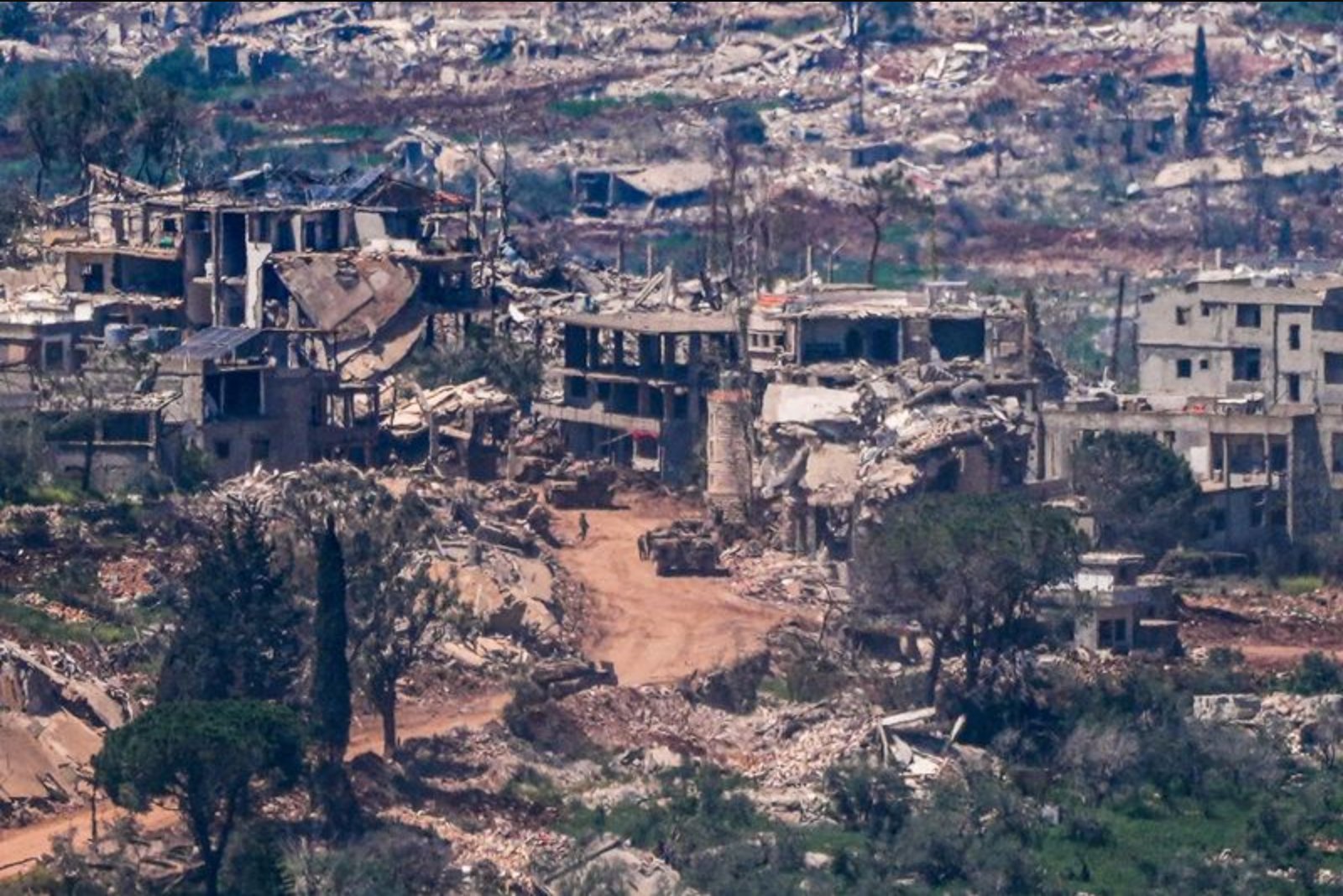
A three-week extension of the ceasefire between Israel and Lebanon was confirmed following talks at the White House arranged by President Donald Trump, who said he would not rush negotiations with Iran and wanted a lasting agreement.
The brief truce extension comes amid an eight-week regional conflict in which the clashes between Israel and Iranian-backed Hezbollah in Lebanon represent one of several core obstacles to a comprehensive resolution. Other key sticking points named by U.S. officials and regional actors include Iran's nuclear program ambitions and Tehran's influence over the strategic Strait of Hormuz.
At the White House, Trump described himself as prepared to wait until he could secure "the best deal" and said he wanted any agreement to be "everlasting." He reiterated that he saw no need to hurry the process and insisted that the United States retained a clear advantage in the ongoing naval stand-off in the Strait of Hormuz.
In recent days Tehran has displayed what U.S. officials and observers described as a tightened grip on the shipping corridor. Trump downplayed the immediate danger from Iranian small vessels, referring to them as "little wise-guy ships," and argued that internal turmoil in Iran's leadership limited Tehran's bargaining flexibility.
On Thursday the president said U.S. naval forces had standing orders to "shoot and kill" Iranian boats suspected of laying mines in the strait. He also asserted that the U.S. could, if necessary, disable any refurbishment of weapons Iran may have completed during a ceasefire that has been in place since April 8 "in a day."
Despite those declarations of tactical reach, navigation through the Strait of Hormuz remained effectively obstructed, and the seizure of two large cargo vessels by Iranian forces served as a reminder of the challenges the United States faces in asserting control over the waterway. The article noted that Tehran's actions continued to disrupt oil markets and exert significant pressure on the global economy.
Iranian leadership responds
Iran's Supreme Leader, Ayatollah Mojtaba Khamenei, publicly rejected Trump’s depiction of Iranian disarray, calling such portrayals "the enemy's media operations" intended to erode Iranian unity and security. In a post on the social platform X, he stated: "Unity will become stronger and more solid, and enemies will become weaker and more humiliated."
The article reported that he has remained out of the public eye since succeeding his father, the late Ayatollah Ali Khamenei, who was killed by U.S. strikes in the early days of the war that began on February 28.
Ceasefire extension and U.S. stance
Trump said he would indefinitely extend what had originally been a two-week ceasefire with Iran in order to keep open the possibility of broader peace talks, though no follow-up negotiations have been scheduled. Asked how long he would wait for a long-term settlement, he replied: "Don't rush me. I want to make the best deal ... I want to have it everlasting."
When pressed about the possibility of using nuclear weapons, Trump said they would not be employed, arguing that they were unnecessary because the U.S. had already "decimated" Iran with conventional arms. "No, I wouldn't use it. A nuclear weapon should never be allowed to be used by anybody," he told reporters.
Violence persists in southern Lebanon
Even with the formal extension of the ceasefire, hostilities continued in parts of southern Lebanon as Israeli forces struck positions they identified as linked to Hezbollah. The Israeli military said on Thursday that it had killed two armed individuals in southern Lebanon after detecting what it described as an immediate threat from people approaching its soldiers.
The strikes in recent days resulted in civilian casualties, including the death of Lebanese journalist Amal Khalil, according to a senior Lebanese military official and her employer, the Al-Akhbar newspaper. Hezbollah reported carrying out four operations in south Lebanon on Wednesday in response to Israeli attacks. The militant group did not attend the ceasefire discussions in Washington.
Israel has pursued cooperation with Lebanon's government regarding Hezbollah, a group formed with support from Iran's Islamic Revolutionary Guard Corps. Lebanese officials have said they are attempting to disarm Hezbollah through peaceful means over the past year.
Warnings from Israel on potential escalation
Separately, prior to the White House announcement, Israeli government officials warned they were prepared to resume offensive operations against Iran. Israeli Defense Minister Israel Katz said Israel was awaiting a "green light" from the United States to restart the war and asserted that, if it proceeded, its initial targets would include Iran's supreme leader, Khamenei, with the aim of "return[ing] Iran to a dark age."
The situation remains fluid: leaders in Washington and Tehran have signaled both a willingness to extend pauses in fighting and a readiness to respond forcefully to perceived threats. Maritime disruptions, continued exchanges of fire in southern Lebanon and direct threats toward Iran underscore the precarious balance between diplomatic maneuvering and renewed military confrontation.