
Overview
Manufacturers of polyester yarn, fabric and related inputs across South Asia are feeling intense pressure after fossil fuel-linked feedstocks surged following the Iran conflict. Producers say the rise in costs for petroleum-derived raw materials has been steep, supply routes from the Middle East have been disrupted, and Chinese suppliers are lifting prices — a combination that is squeezing margins for companies in textile hubs such as Surat, India, and factories in Bangladesh.
Feedstock price shock
Filatex, one of India’s largest polyester yarn makers, is paying almost 30% more for key petroleum-derived inputs — purified terephthalic acid (PTA) and monoethylene glycol (MEG) — used to produce polyester yarn, according to managing director Madhu Sudhan Bhageria. Filatex’s account highlights how refined petroleum product market moves have transmitted into the textile fibre supply chain.
Polyester is produced from oil derivatives and remains the dominant fabric fibre globally, accounting for 59% of world fibre production and appearing in products ranging from sportswear to dresses. That close link to refined petroleum leaves polyester output directly exposed to disruptions in supply and refinery throughput caused by the closure of key shipping lanes related to the conflict.
Impact at textile plants and mills
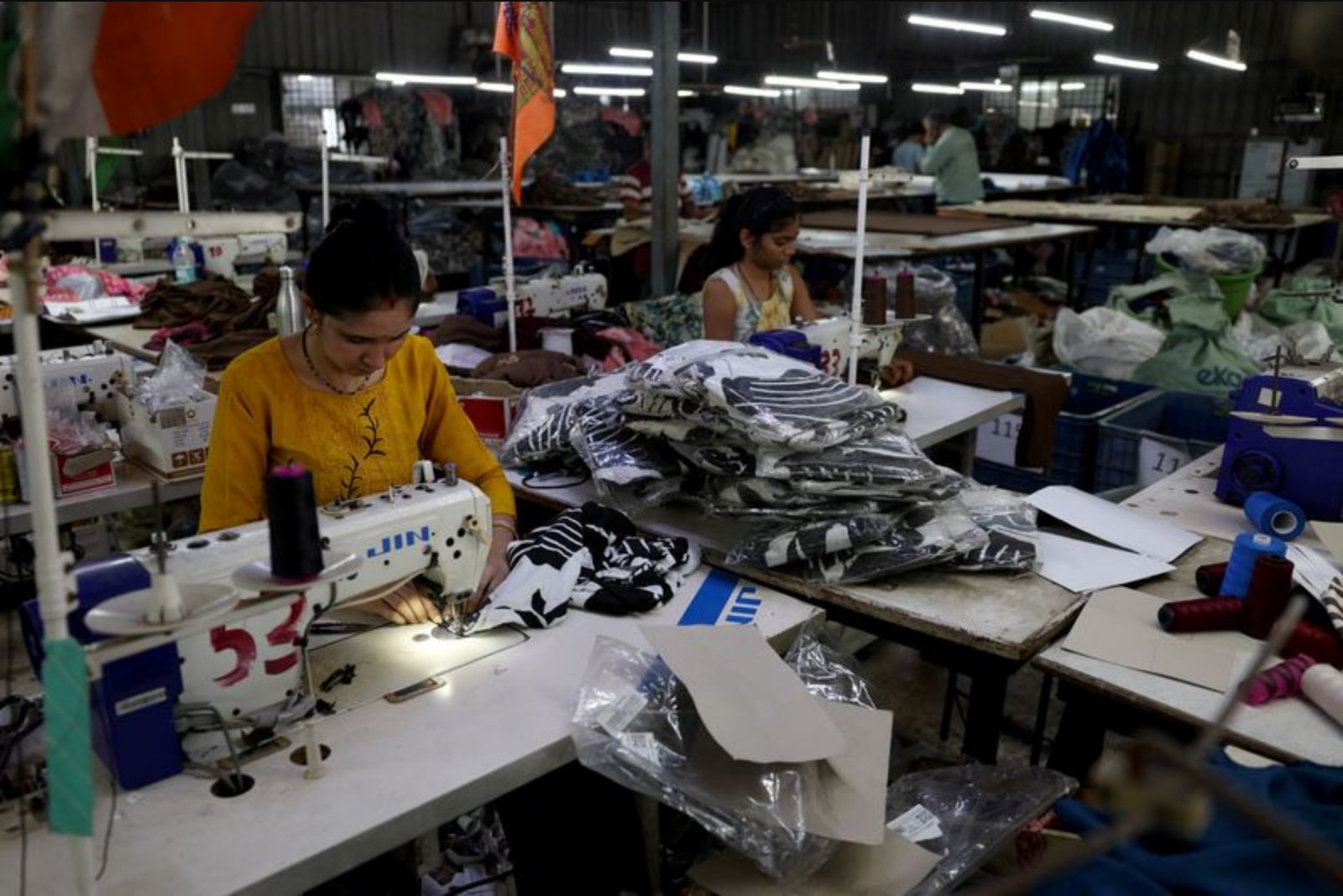
In Surat, long established as a textiles manufacturing centre, the disruption has translated into lower utilisation of looms and dyeing plants. At Radheshyam Textile, half of the mill’s 200 industrial looms dedicated to polyester have been idle since the conflict began in late February. Owner Kaushik Dudhat reported pre-conflict daily output of about 10,000 metres of fabric had fallen to roughly 3,500 to 4,000 metres per day.
Those declines prompted Dudhat to pause purchases of new polyester yarn; he said that with yarn costs having climbed sharply he would need to lift his own selling prices by around 15% to cover margins — a hike he expects his customers, mainly clothing traders, would resist.
Dyeing and printing units in Surat have also reduced operations. Kailash Hakim, president of the Federation of Surat Textile Traders Association, said factories that previously closed one day a week are now shutting two days a week. He warned that persistent disruption could lead to raw material shortages and further factory shutdowns.
The pain is not limited to fabric weaving and finishing. Thread makers and other intermediates are raising prices as their input and transport costs accelerate. In an April 5 letter reviewed by industry participants, Coats Bangladesh — the local unit of UK-listed Coats — notified customers of a 15.5% price increase for thread effective April 15, attributing the move to rapid escalation in oil-derived feedstock costs and higher transportation expenses.
Data on fibre prices
Industry pricing data show the speed of the shock. Wood Mackenzie figures indicate the price of polyester staple fibre in India rose from 100 rupees per kilogramme at the end of February to 126.5 rupees per kilogramme one month later. After India’s government reduced import tariffs on petrochemical raw materials, prices eased marginally but remained elevated at 120 rupees per kilogramme as of April 9. Chinese polyester prices, the benchmark for global supply, have also increased over the same period.
Labour and energy constraints
Beyond feedstock costs, local energy shortages are compounding the problem. Bindal Silk Mills CEO Avichal Arya, which supplies dyed and printed polyester fabrics to retailers including H&M, Inditex (Zara), Target, Walmart and IKEA, said the energy crisis had "drastically" increased the cost of chemicals and dyes. He added that a shortage of cooking gas linked to the conflict has prompted many migrant workers to leave Surat, reducing available labour and complicating production schedules.
Downstream and retailer effects
Retailers that source heavily from Asia’s polyester-dominant supply chain face potential cost pressure. Fast-fashion brands such as Zara and H&M could see higher input prices eventually filter through, though many have some near-term protection from forward buying contracts.
Associated British Foods chief executive George Weston said for Primark that the retailer’s spring/summer stocks and a large portion of its autumn/winter inventory would not be affected by the current raw material surge because the company had completed its energy-related material purchases ahead of the price changes. Weston added that when Primark next needs to buy, prices could be lower, but there was uncertainty.
An industry source indicated H&M anticipates price increases from Bangladeshi suppliers in the coming weeks but planned to absorb those costs. H&M stated it did not foresee major production disruptions in Bangladesh and had not seen a noticeable number of supplier requests to change orders due to energy costs. Inditex did not comment on its polyester supplies, and Target, Walmart and IKEA did not provide immediate responses to requests for comment.
Many major brands have shifted part of their fibre sourcing toward recycled polyester — produced from plastic bottle waste — which can reduce direct exposure to oil-linked feedstock volatility. Nevertheless, recycled material represents just 12% of global polyester production, limiting how much current adoption can insulate the wider market.
Order volumes and demand risk
Retail buying patterns are beginning to reflect caution. Mohammad Hatem, president of the Bangladesh Knitwear Manufacturers and Exporters Association, said buyers are becoming more cautious and more carefully weighing risks before placing orders, which could reduce order volumes.
Wood Mackenzie principal fibre analyst Bruna Angel warned of potential "demand destruction," observing that if the cost squeeze persists for another month, clothing production could fall as retailers are forced to raise prices and consumers cut back on purchases.
Footwear and other petrochemical exposure
The impact extends beyond apparel. Footwear manufactures use petrochemical-derived materials such as ethylene-vinyl acetate (EVA), polyurethane foam and synthetic rubber in components ranging from midsoles to adhesives. The Footwear Distributors and Retailers of America identified 25 petrochemical-based components commonly used in shoes, and rising input costs have prompted concern among U.S. retailers about broader cost inflation and reduced ability to forecast consumer demand. A Nike spokesperson acknowledged that materials tied to oil do affect product costs.
Outlook and timing
At present, retailers with forward-covered inventories and companies that have substantial recycled polyester in their product mix are less exposed to the immediate surge in prices. However, elevated feedstock costs, constrained labour availability in key manufacturing hubs and tightening plant operating schedules could ripple through to finished-goods pricing if the situation endures.
Summary for readers
Surging oil-linked feedstock prices since the Iran conflict have raised costs for polyester yarn and fabric producers in India and Bangladesh, reduced operating rates in key textile clusters such as Surat, and prompted price increases by intermediate suppliers. While some retailers have near-term protections from forward purchases and recycled polyester use, continued pressure risks higher retail prices and lower production volumes.