
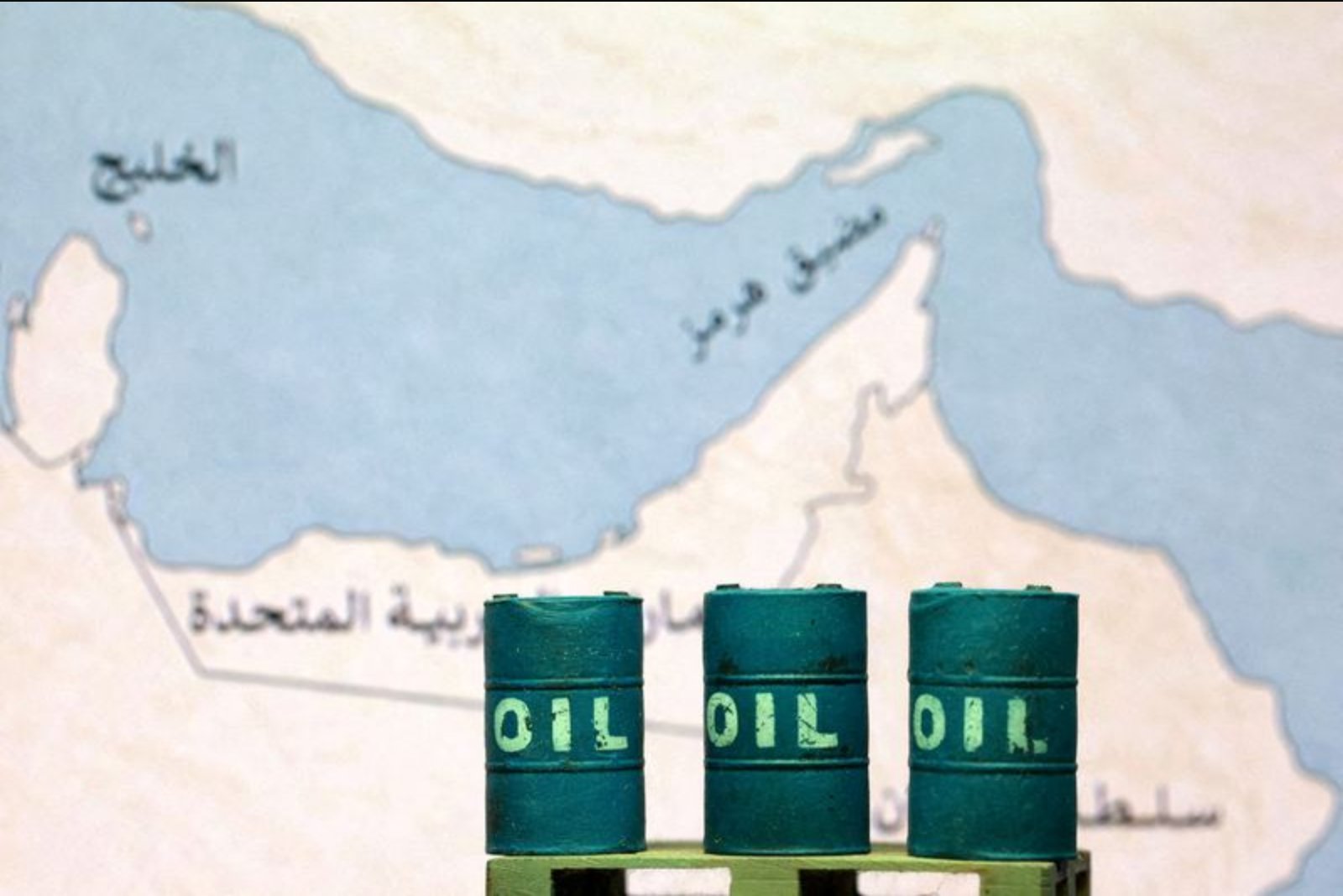
A Dallas Federal Reserve survey conducted from April 15 to April 20 found that U.S. oil executives expect domestic crude output to rise as the war in Iran disrupts global supplies and lifts crude and fuel prices.
The survey gathered responses from 120 oil and gas firms, comprising 78 exploration and production companies and 42 oilfield services firms.
Production expectations
According to the survey, 43% of respondents anticipate U.S. crude output will increase by up to 250,000 barrels per day this year as a direct result of the Iran war. This view sits alongside the Energy Information Administration's forecast, which projects U.S. crude production at 13.51 million barrels per day for 2026, compared with 13.58 million barrels per day last year.
Gulf production and returns
About two-thirds of those surveyed expect that at least 90% of Gulf production that has been shut in will eventually be restored to the market. When asked specifically about traffic through the Strait of Hormuz, respondents gave a range of timing estimates: 20% said traffic would return to normal levels by next month, 39% said by August, and the remaining participants indicated it would be by November or later.
Shipping costs and operational responses
Most executives anticipate that shipping costs from the Gulf will rise after the conflict ends. More than one-third of respondents predicted shipping-cost increases in the range of $2 to $4 per barrel.
Industry participants reported operational reactions to recent price movements. One exploration and production executive said, "The price of oil will fall back to the $65 a barrel level very quickly once this conflict settles down." An oilfield services firm executive noted increased activity: "In response to the roughly 45 days of West Texas Intermediate over $75 per barrel, we are hearing increased talk of smaller operators adding rigs. We are also seeing larger independent operators move up drilling schedules."
Context and limitations
The survey reflects sentiments collected over a six-day window from a specific set of 120 firms. It reports expectations and views rather than confirmed changes in production, shipping costs, or exact timelines for the return of international shipping and Gulf output.