
Economy April 24, 2026 12:04 AM

SNB chief warns prolonged energy shock could lift inflation and slow growth

Martin Schlegel says duration of energy-price pressures from conflict will determine inflation impact; defends tougher UBS capital rules

By Ajmal Hussain
SNB chief warns prolonged energy shock could lift inflation and slow growth

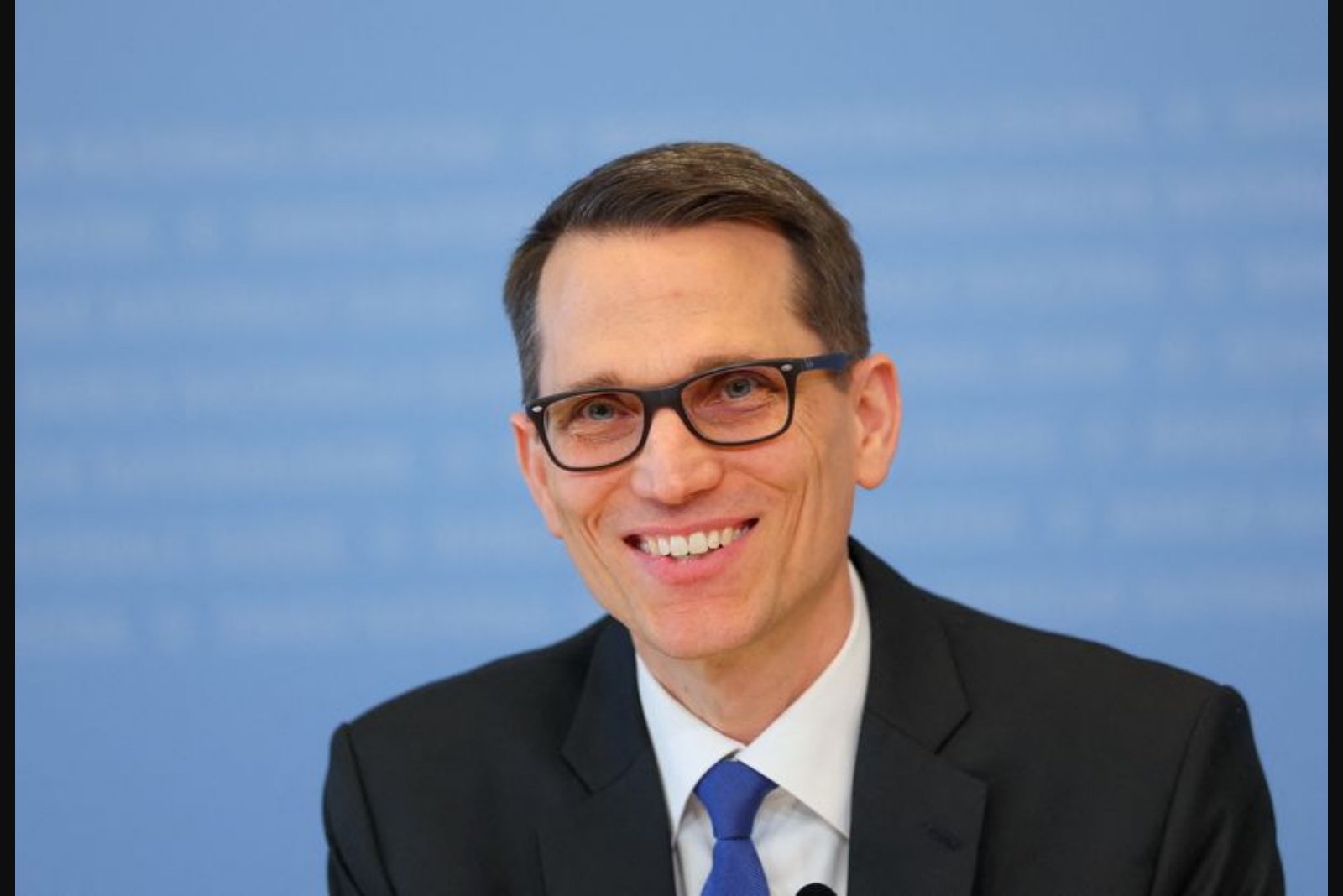
Swiss National Bank Chairman Martin Schlegel cautioned that the trajectory of Switzerland's inflation and growth depends on how long energy-price pressures tied to the conflict persist. He said a brief disruption would likely have only temporary effects that central banks can look through, but a sustained rise in energy costs could trigger broader price increases and force policy action. Schlegel also defended recently proposed, tougher capital requirements for UBS, calling them "not extreme" and downplaying the risk the bank would relocate because of the rules.

Key Points

  • SNB Chairman Martin Schlegel said the economic outlook depends on how long conflict-driven energy price pressures persist - short-lived shocks would likely be temporary, while prolonged high prices could have greater effects on inflation and growth.
  • Schlegel said it is too early to determine whether stagflation is a risk and highlighted central banks' ability to look through temporary supply shocks, but warned second-round effects would necessitate policy action.
  • He defended tougher proposed capital rules for UBS as "not extreme," downplayed the likelihood that the measures would force the bank to relocate, and said capital requirements are only one factor in location decisions.

ZURICH, April 24 - Swiss National Bank (SNB) Chairman Martin Schlegel said the outlook for the Swiss economy depends largely on the length of conflict-driven energy-price pressures, warning that an extended period of high energy costs could both lift inflation and weigh on growth.

In an interview published in the Swiss newspaper Neue Zuercher Zeitung, Schlegel said it was still too early to conclude whether the economy faces stagflation - a combination of weak or contracting growth alongside rising prices. "The key question is how long the conflict will last and whether energy prices remain high," he said.

Schlegel outlined two scenarios. If energy prices return to more normal levels quickly, he said any effect on inflation and growth would probably be temporary. By contrast, a longer-lasting shock would have markedly greater consequences for the Swiss economy.

He noted that central banks can generally look through temporary supply shocks. "At the moment it’s unclear if it’s only a temporary supply shock. Central banks can generally look through such shocks," Schlegel said. The situation becomes more challenging if so-called second-round effects take hold, he added: "It becomes more problematic if so-called second-round effects emerge, leading to broader-based price increases. Then central banks have to act."

Schlegel also stressed that Switzerland is starting from a relatively solid position. He pointed to a world economy performing better than expected and low Swiss inflation in the period before the Middle East conflict began. He cautioned, however, that higher oil prices should not be underestimated because of their indirect influence across many goods and services.

"Energy is indirectly contained in many goods," Schlegel said, citing links to food production, transport and packaging.


Separately, Schlegel defended tougher proposed capital rules for UBS that were unveiled on Wednesday, characterizing the measures as "not extreme." He sought to allay concerns that the new requirements could prompt UBS to shift operations abroad, saying capital rules are only one factor in banks' location decisions and expressing the assumption that UBS would continue to carry out a substantial portion of its business in Switzerland.

The comments underline the SNB's focus on the potential inflationary consequences of sustained energy-price pressures, while also engaging in the debate over banking regulation and the domestic footprint of a major Swiss lender.

Risks

  • Prolonged high energy prices could feed broader-based inflation through second-round effects - this would affect consumer prices and could force central banks to tighten policy, impacting borrowing costs and financial markets.
  • Sustained energy-price pressures could weigh on economic growth - sectors tied to energy inputs such as transport, food production and packaging may face higher costs, which could transmit to wider economic activity.
  • Regulatory changes for large banks could influence operational decisions - while Schlegel downplayed relocation risks for UBS, stricter capital rules remain an uncertainty for the banking sector and for the domestic concentration of financial services.

More from Economy

Markets Retreat as Iran Tightens Hold on Strait of Hormuz; Oil Surges Above $100 Apr 24, 2026 A fragile equilibrium: Five questions for the ECB as war-linked oil shock eases Apr 24, 2026 Market Signals Scrambled as Middle East Conflict Frays Classic Asset Relationships Apr 24, 2026 Fitch: Brief breach of Indonesia's 3% deficit limit linked to Iran war would not prompt an immediate downgrade Apr 23, 2026 Dollar Climbs as Middle East Negotiations Stall and Shipping Chokepoint Remains Uncertain Apr 23, 2026