
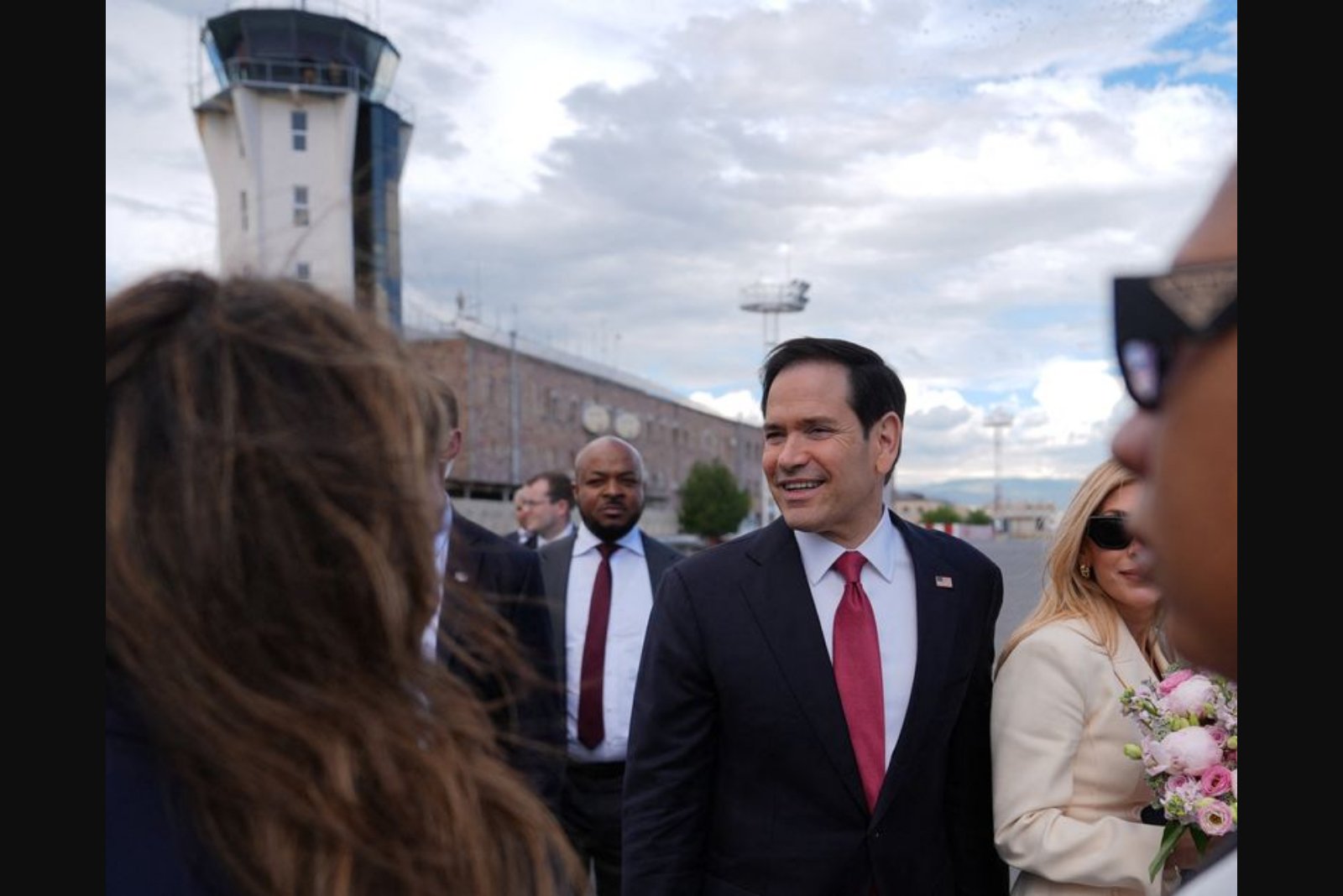
U.S. Secretary of State Marco Rubio said on Thursday that the United States intends to designate the Brazilian groups Primeiro Comando da Capital (PCC) and Comando Vermelho as "Foreign Terrorist Organizations" effective June 5.
Rubio added that, while the Foreign Terrorist Organization (FTO) designation was set to take effect in June, the U.S. Department of State moved on Thursday to classify both groups as "Specially Designated Global Terrorists." In a statement, he described the organizations as two of the "most violent criminal organizations in Brazil" and said their reach extends across the region and into the United States.
The Lula administration in Brazil has sought to avoid such classifications, according to Rubio, arguing that an FTO label could open pathways for expanded U.S. action in Brazil - including military measures - and could expose banks to sanctions if they unknowingly maintain business relationships with individuals linked to the gangs.
Rubio framed the move within a law-enforcement and national-security rationale, saying: "The Trump Administration will continue to use all available tools to protect our nation and our national security interests by keeping illicit drugs off our streets and disrupting the revenue streams funding violent narco-terrorists."
The U.S. step to add the "Specially Designated Global Terrorists" label precedes the FTO designation planned for June. Rubio's statement emphasized both the violent nature of the organizations and their transnational networks.
Observers within affected sectors will watch how the dual designations interact with diplomatic concerns raised by Brazil's government, and how financial institutions respond to the risk of inadvertent dealings with individuals connected to the gangs. The administration's stated objective is to interrupt the flow of illicit drugs and the funding that supports violent narco-terrorist activity.
Summary
The United States announced plans to designate Brazil's PCC and Comando Vermelho as Foreign Terrorist Organizations from June 5, while the State Department has already designated them as "Specially Designated Global Terrorists." Brazil's Lula administration has resisted such labels because of potential implications including U.S. military action in Brazil and sanctions on banks that might unknowingly transact with gang-affiliated parties.
Key points
- The U.S. intends to enact FTO designations for PCC and Comando Vermelho effective June 5; the State Department also designated them as "Specially Designated Global Terrorists."
- Brazil's government has sought to avoid FTO classification due to concerns it could open the door to U.S. military action in Brazil and lead to sanctions affecting banks.
- The move targets the organizations based on their violent activity and regional networks, with stated aims of keeping illicit drugs off U.S. streets and cutting revenue streams that fund violent narco-terrorists.
Risks and uncertainties
- Potential diplomatic friction between the United States and Brazil stemming from the designation and Brazil's objections; this may affect defense and diplomatic engagements.
- Possible exposure of banks to sanctions if they unknowingly transact with individuals linked to the gangs, creating compliance and reputational risk for the financial sector.
- Uncertainty around how designation and enforcement actions will impact cross-border law enforcement efforts and efforts to disrupt narcotics-related funding networks.