
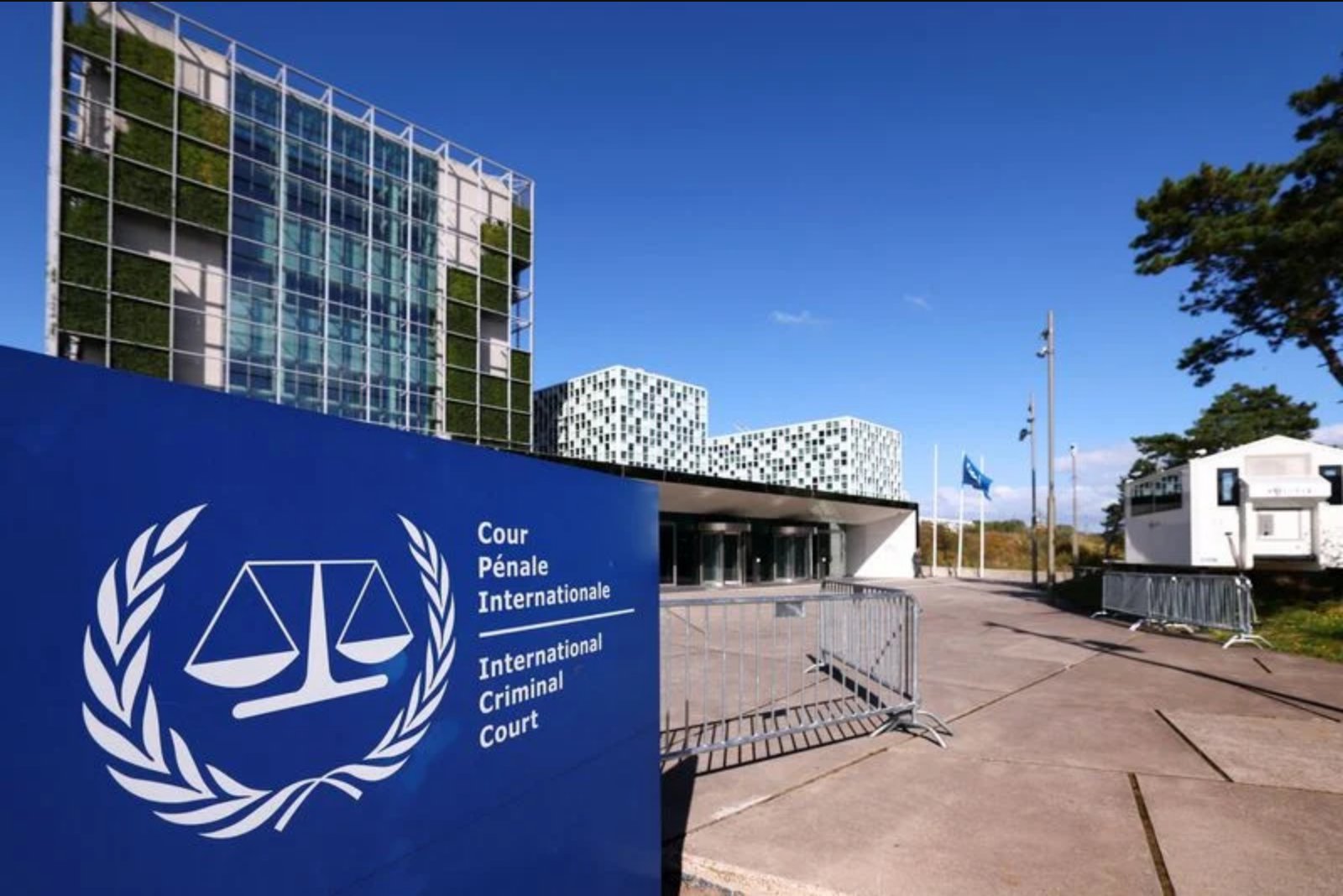
WASHINGTON - The administration is moving to blunt what it describes as a threat to U.S. sovereignty posed by the International Criminal Court, a senior State Department official said on July 13. The campaign aims to prevent the ICC from exercising jurisdiction over Americans, particularly members of the U.S. military.
Officials from successive U.S. administrations have resisted ICC authority over American citizens. The State Department official, speaking on condition of anonymity, said a range of measures is being weighed to target the court and organizations connected to it. Potential actions cited include travel bans, the revocation of visas, stepped-up sanctions against the ICC and affiliated groups, and diplomatic efforts to persuade other countries to leave or otherwise reject the court.
The International Criminal Court was established in 2002 by the international community with a mandate to investigate and prosecute war crimes, genocide and crimes against humanity. The court states it will assert jurisdiction only when a member state is unwilling or unable to carry out prosecutions itself. The United States has never been a member of the ICC.
The official emphasized that senior U.S. policymakers, including Secretary of State Marco Rubio and other top officials, are engaging foreign governments as part of a broader campaign "to diplomatically isolate the International Criminal Court and ensure it cannot target Americans." The official said nations that partner with U.S. law enforcement, host U.S. military forces, or benefit from the wider U.S. security umbrella are being asked to formally reject what the administration calls the ICC's purported authority to prosecute U.S. officials and servicemen.
According to the official, countries that rely on U.S. assistance but decline to side with Washington against the ICC will face heightened scrutiny. "We will watch with interest which nations join ranks with us against this threat to Americans who are willing to risk their lives to protect others," the official said.
The administration's stance reflects long-standing opposition from some U.S. leaders to ICC jurisdiction over Americans; the official noted that President Donald Trump and other U.S. figures, including former President George W. Bush, have voiced objections to the court probing U.S. personnel.
Tensions between the U.S. and the ICC have manifested in recent policy moves. Earlier this year, Reuters reported that the administration supported sanctions against ICC officials in part to deter any future attempts to investigate or hold U.S. officials accountable for military actions abroad. Last month, three ICC judges filed suit against the U.S. administration, challenging the legality of sanctions imposed on them the prior year.
The official also pointed to previous ICC activity touching on U.S. forces. In March 2020, ICC prosecutors opened an investigation in Afghanistan that included potential crimes by U.S. troops. Since 2021, however, the court has deprioritized alleged U.S. involvement and instead concentrated more on alleged offenses by the Afghan government and Taliban forces.
As Washington mounts its diplomatic effort, the State Department official said a menu of policy tools remains under consideration and could be deployed selectively. This approach seeks to protect American personnel from what the administration views as overreach by an institution the United States has not joined.
Context and implications
The initiative includes diplomatic outreach to allies and partners, potential travel and visa restrictions, and possible escalation of sanctions targeting the ICC and organizations linked to it. Legal challenges by ICC judges and recent ICC investigations that touched on U.S. troops have sharpened the administration's focus on shielding Americans from accountability by the court.