
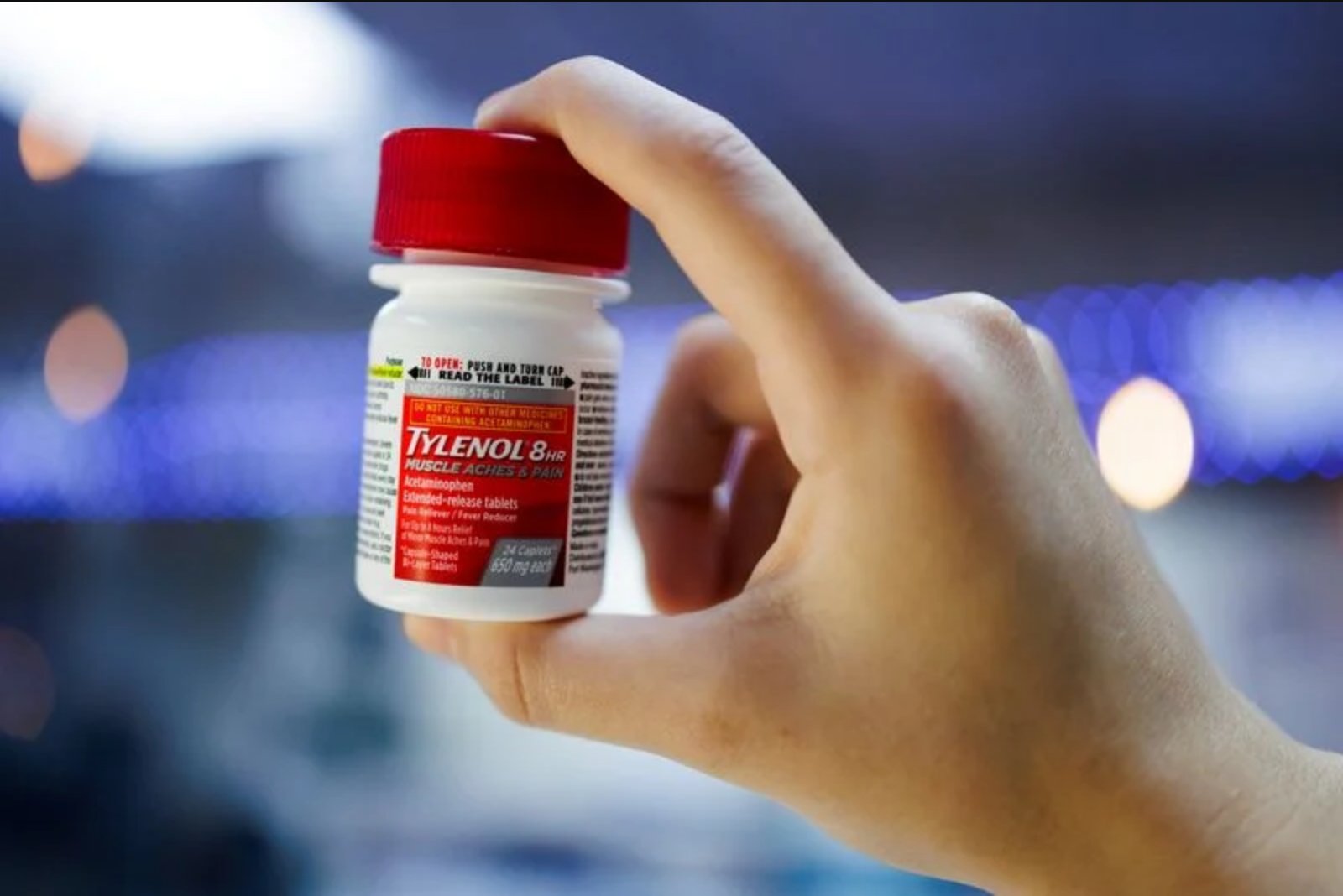
A federal appeals panel on Monday revived in excess of 500 private lawsuits brought against Kenvue, the manufacturer of Tylenol, in which parents and guardians allege that maternal use of the pain reliever during pregnancy is linked to autism and attention deficit hyperactivity disorder (ADHD) in children.
The 2nd U.S. Circuit Court of Appeals in Manhattan concluded that a lower court judge had improperly excluded testimony from expert witnesses presented by the plaintiffs. Those experts sought to connect prenatal acetaminophen exposure to later diagnoses of autism and ADHD, but their testimony was rejected at the district court level.
The appeals court’s decision comes against the backdrop of scientific uncertainty: the record does not establish a firm scientific consensus that such a link exists. Nonetheless, the legal proceedings have attracted broader public attention after comments last September from President Donald Trump and senior U.S. health officials suggesting a possible connection between acetaminophen use during pregnancy and autism.
When asked for comment following the ruling, Kenvue did not immediately respond. Market trading reflected a modest move in the company’s shares, which were down 10 cents to $19.38 in morning trading on the day of the decision.
The litigation timeline includes a December 2024 dismissal by U.S. District Judge Denise Cote in Manhattan, who criticized the methodology used by the plaintiffs’ expert witnesses. Among those experts named in the proceedings was Andrea Baccarelli, dean of the Harvard School of Public Health.
Monday’s ruling arrives after Kenvue reached an agreement in November to be acquired by Kimberly-Clark in a transaction valued at more than $40 billion. That corporate backdrop places the revived suits in the context of a pending major acquisition.
Medical authorities and professional societies have routinely regarded acetaminophen - the active ingredient in Tylenol - as the preferred treatment for pain and fever during pregnancy. Kenvue, which is headquartered in Summit, New Jersey, has consistently maintained that Tylenol is safe. The company was spun off from Johnson & Johnson in 2023; J&J had manufactured Tylenol for over six decades and has also defended its safety profile.
The appeals court ruling reintroduces legal uncertainty for Kenvue and raises questions about how expert testimony will be evaluated as the cases proceed. The decision returns the question of admissible scientific evidence to the lower courts to address as the litigation continues.