
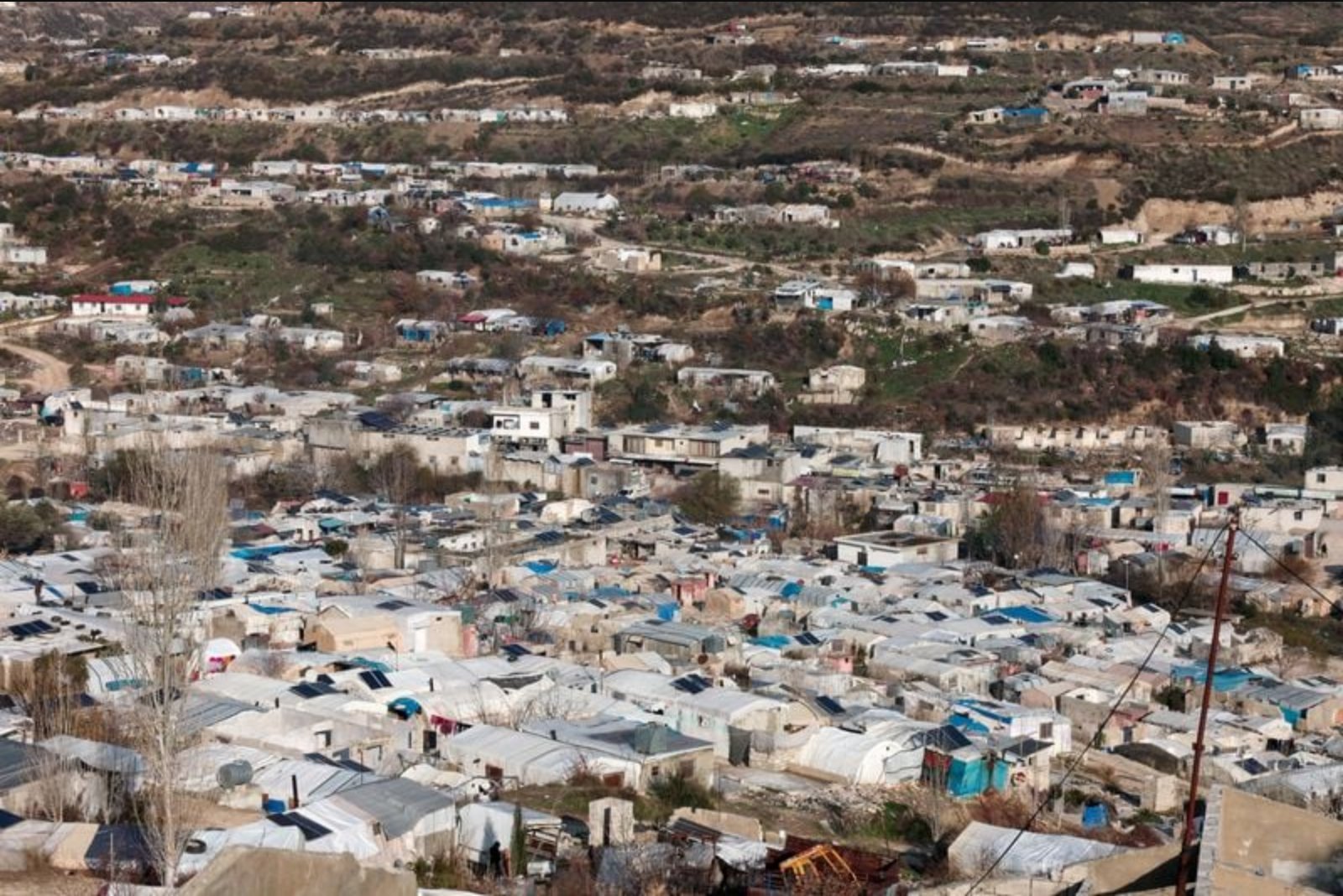
The U.N. refugee agency reported on Thursday that global displacement tied to conflict and persecution decreased in 2025 for the first time in a decade, yet long-term refugee situations remain a pressing concern. According to the agency, 5.4 million people fled their homes last year, bringing the total number of refugees and people in refugee-like situations worldwide to 41.6 million. That total includes 6 million Palestinian refugees.
Last year also saw a notable increase in returns, with roughly 14.7 million refugees and internally displaced people going back to their homes - a 50% rise from the previous year and the second-highest number of returns recorded since 1965, the agency said. Most of these returns were concentrated in six countries: the Democratic Republic of the Congo, Sudan, Syria, Afghanistan, Ukraine and Myanmar.
Despite the rise in numbers returning home, the agency cautioned that many returnees encounter severe challenges on return. The report highlights limited access to basic services, widespread damage to infrastructure and continued insecurity in places of return, raising questions about the safety and sustainability of these movements.
Afghanistan accounted for a substantial portion of the returns recorded in 2025. About 2.9 million Afghans returned that year, including 1.9 million refugees - a figure five times higher than the previous year. The agency said this surge in returns was driven mainly by stricter policies in neighbouring Iran and Pakistan, and that many returnees reported they had little choice but to leave. As a result of these movements, the global Afghan refugee population fell from 5.8 million in 2024 to 3.7 million in 2025, according to the report.
Syria also saw large-scale returns in 2025. Around 1.3 million people returned - nearly three times the number who returned the year before - following the fall of Bashar al-Assad's government in December 2024. The agency found that this reduced the global Syrian refugee population from 6 million to 4.9 million by the end of 2025. The report emphasized that "many returnees face serious challenges, including insecurity, widespread destruction, weak economic conditions, limited services and jobs, and continued sporadic violence in parts of the country."
The report further noted that displacement events in the Middle East shaped global trends into 2026. The agency recorded around 3.2 million people temporarily displaced in Iran since joint U.S.-Israeli strikes at the end of February, and about one million people forced from their homes in Lebanon since the start of the war on March 2. UNHCR cited Israeli strikes and evacuation orders as drivers of displacement in Lebanon.
In response to long-standing protracted displacement, the agency reiterated its aim to halve the number of refugees and others in protracted displacement requiring humanitarian assistance by 2035. The strategy focuses on supporting job creation and expanding education opportunities, particularly in low- and middle-income countries where the majority of refugees live. The report noted that globally 70% of refugees have been in exile for five years or more, often residing in countries such as Lebanon, Jordan, Turkey and Iran.
UNHCR High Commissioner Barham Salih was quoted highlighting the humanitarian imperative and the need for realistic solutions: "Asylum and protection are life-saving and not up for debate, but we cannot accept a future in which millions of refugees remain trapped for years or decades without realistic prospects of rebuilding their lives." Part of the agency's initiative includes promoting voluntary returns and enabling refugees to access education and employment in host countries so they can financially support themselves and become less aid-dependent.
Overall, the report paints a mixed picture: fewer people displaced worldwide in 2025 than in prior years, coupled with an uptick in returns, but persistent and widespread barriers to durable reintegration. The agency's targets for 2035 underscore an emphasis on economic and educational measures in host countries as a route to reduce protracted dependence on humanitarian assistance.