
The U.N. human rights office on Wednesday issued a direct appeal to states, private companies and parties tied to Sudan’s gum arabic industry to respect international law and prevent trade practices that may be prolonging the country’s civil war. The office warned that profits from the gum arabic sector are being used in ways that sustain the ongoing conflict between Sudan’s army and the paramilitary Rapid Support Forces (RSF), now in its fourth year.
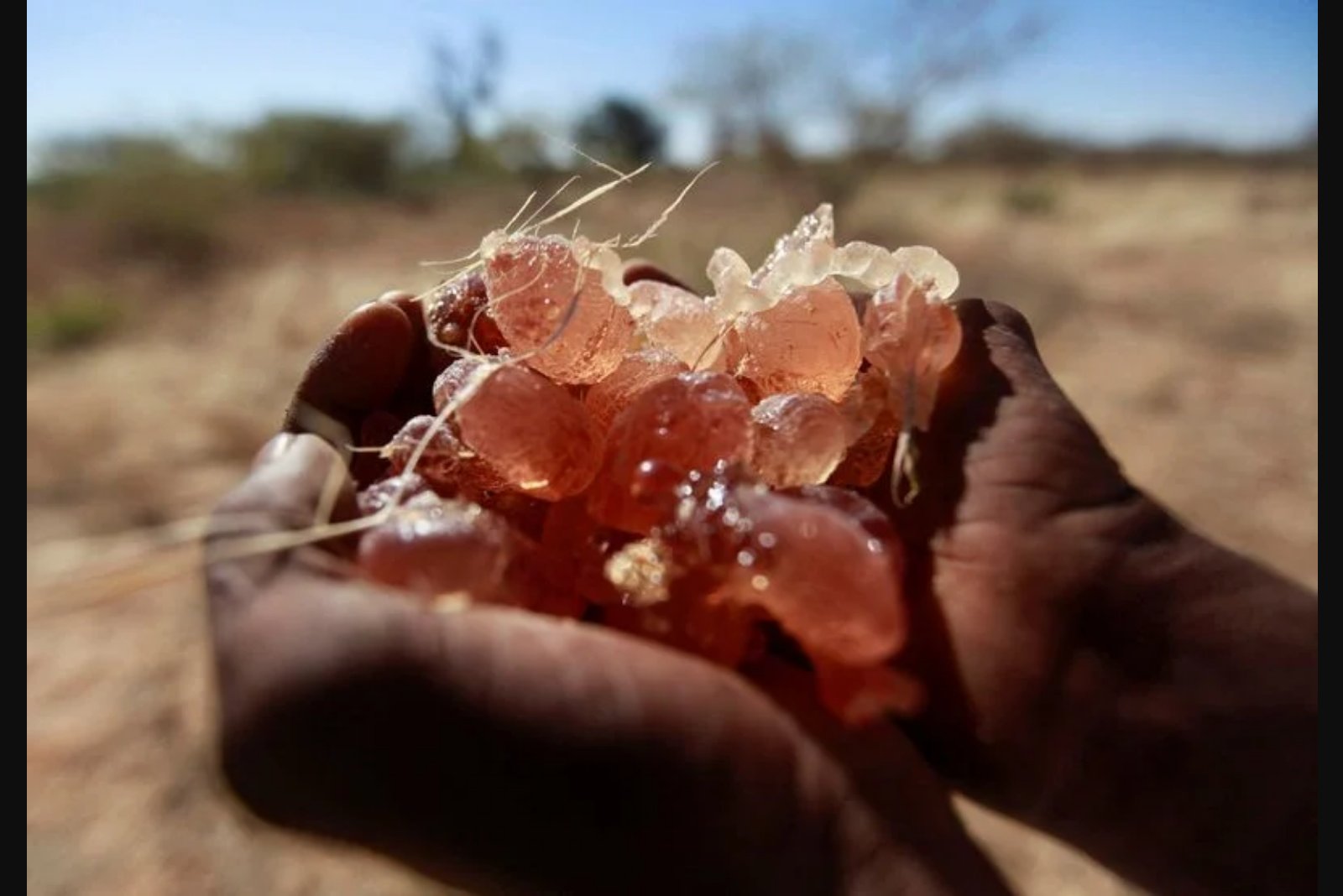
The civil war has displaced millions and inflicted widespread damage across much of Sudan, the report said. Sudan accounts for about 80% of the world’s gum arabic supply. This natural exudate from acacia trees is commonly employed to mix, stabilise and thicken ingredients in mass-market products, including soft drinks, pharmaceuticals and cosmetics.
The U.N. report sets out a series of trade and human rights concerns tied to the commodity. It states that substantial quantities of gum arabic have been seized from territories under RSF control and smuggled into neighbouring transit countries. From there the material is exported with documentation labelling it as locally produced, a practice that obscures the true origin of the product and complicates efforts to trace supply chains.
Separately, the report notes that some gum arabic has been removed from areas under the control of the Sudanese Armed Forces and moved to Port Sudan for export. That movement of goods through major export points highlights how different channels of the trade continue to operate despite the security crisis.
The U.N. human rights office emphasised that companies operating in the sector may face conflict-related human rights risks. A portion of Sudan’s production takes place in zones affected by fighting, and the office found that individuals engaged in the trade have encountered threats to their personal safety. Large-scale looting of stockpiles and market facilities has taken place, with parties to the conflict implicated in those actions.
U.N. human rights chief Volker Turk urged firms to ensure their procurement does not contribute to adverse human rights outcomes or to perpetuating the fighting. "Companies cannot continue business as usual when sourcing from conflict-affected value chains," Turk said, calling for rigorous due diligence to verify the origin of ingredients.
The report gives a specific example to illustrate the risks: in May 2025 the Gum Arabic Exchange and its warehouses, along with sections of the broader market in El-Nuhud, were reportedly looted by the RSF. The U.N. noted that these incidents have had a tangible effect on local livelihoods.
Context and implications
The U.N. findings draw attention to how a globally traded agricultural commodity can become entwined with armed conflict. By highlighting seizure, smuggling and looting, the report signals several entry points where states and companies could strengthen oversight. The U.N. office’s central recommendation is that actors along the gum arabic value chain apply heightened due diligence to avoid financing or otherwise enabling the conflict.