
World January 23, 2026 04:02 AM

Spain Opts Out of U.S.-Led Peace Board Initiative

Prime Minister Pedro Sanchez cites commitment to multilateralism and UN frameworks for resolution of global conflicts

By Marcus Reed
Share
Twitter Reddit Facebook LinkedIn

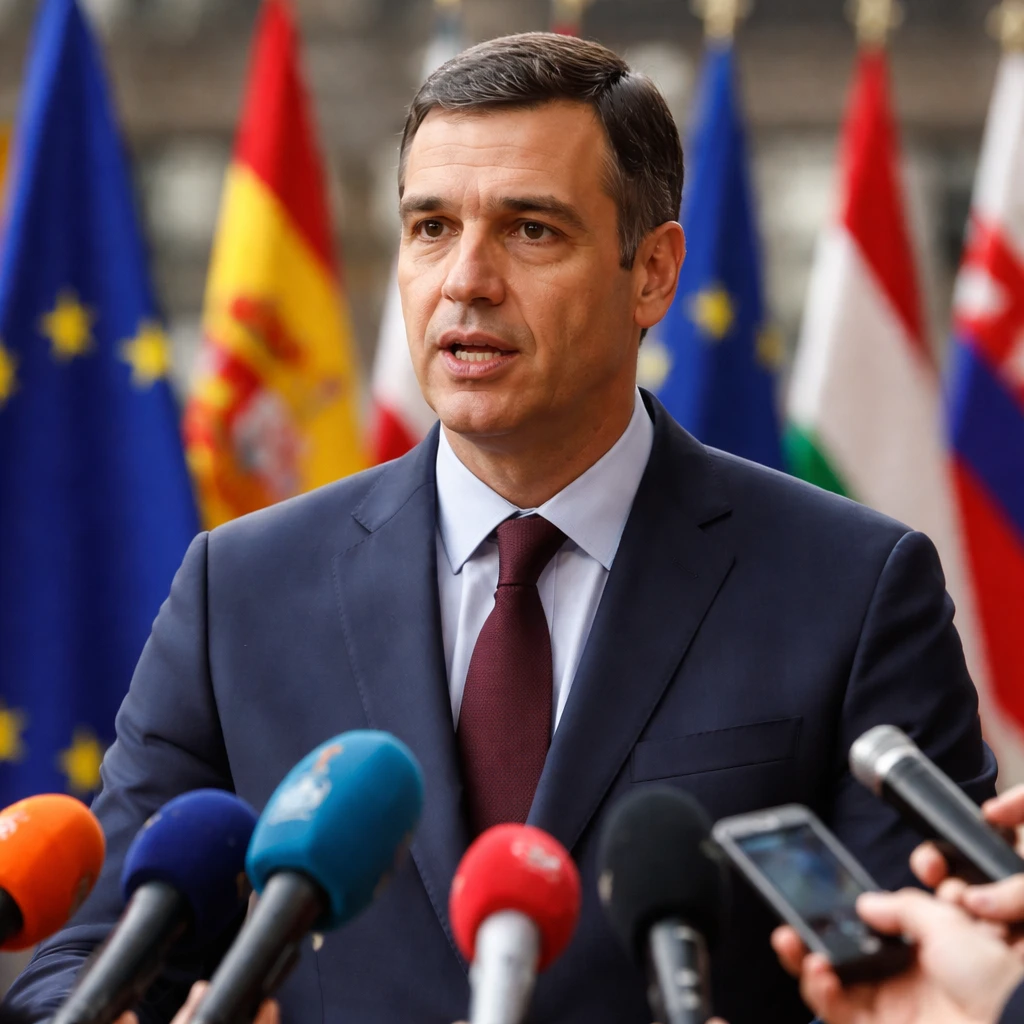
Spain has decided against participating in the Board of Peace, an initiative spearheaded by U.S. President Donald Trump to address international conflicts. Prime Minister Pedro Sanchez, speaking after an EU summit in Brussels, emphasized Spain's dedication to multilateral institutions and the United Nations as the appropriate platforms for conflict resolution, leading to the formal decline of the invitation to join the U.S. led effort.

Spain Opts Out of U.S.-Led Peace Board Initiative
Summarize with
ChatGPT Perplexity Claude Grok Gemini

Key Points

  • Spain has formally declined to join the U.S.-initiated Board of Peace program aimed at resolving global conflicts.
  • The Spanish government emphasizes its commitment to multilateralism and the United Nations as the correct channels for international conflict resolution.
  • The move signals Spain’s preference for existing international frameworks over new initiatives launched by foreign administrations.

Spain will not be joining the Board of Peace, a foreign policy initiative launched by U.S. President Donald Trump aimed at addressing global conflicts. This was confirmed by Spanish Prime Minister Pedro Sanchez during a press event following a European Union summit held in Brussels.

When questioned by the media, Sanchez conveyed Spain’s decision clearly: "We appreciate the invitation, but we decline." The Spanish government's stance is rooted in its commitment to international collaboration through established multilateral channels. Specifically, they affirmed their support for the United Nations system as the proper framework for resolving such international disputes.

The Board of Peace, introduced as part of President Trump's foreign policy agenda, seeks to bring together key actors to find solutions for global conflicts. Despite this effort, Spain has announced an official refusal to participate, underscoring a preference for traditional multilateral institutions over new initiatives.

This announcement comes shortly after the EU summit, reflecting Spain's consistent diplomatic orientation towards established international institutions rather than unilateral or new bilateral initiatives.

While the Board of Peace aims to foster cooperation and conflict mitigation on a global scale, Spain’s withdrawal highlights differing approaches among countries in engaging with new proposals for peacebuilding.


This article was composed with the assistance of AI technology and subsequently reviewed by an editor to ensure accuracy and clarity.

Risks

  • The divergence in approaches to conflict resolution might reduce the effectiveness of the Board of Peace initiative.
  • Spain’s non-participation may limit opportunities for bilateral cooperation between Spain and the U.S. on future foreign policy matters.
  • The decision reflects broader uncertainties in international diplomatic alignments which could impact global geopolitical stability.

More from World

Brazil Prepares Strong Countermeasures to U.S. Tariffs, Exploring Non-Tariff Options Jul 16, 2026 Nicaragua Severs Diplomatic Ties with Italy Over Citizenship for Red Brigades Member Jul 16, 2026 President to Attend World Cup Final in New York-New Jersey, White House Says Jul 16, 2026 U.S. Tariffs Become Central Issue in Brazil’s Presidential Contest Jul 16, 2026 Canadian wildfire smoke shrouds New York ahead of World Cup final; weather expected to clear haze by Sunday Jul 16, 2026