
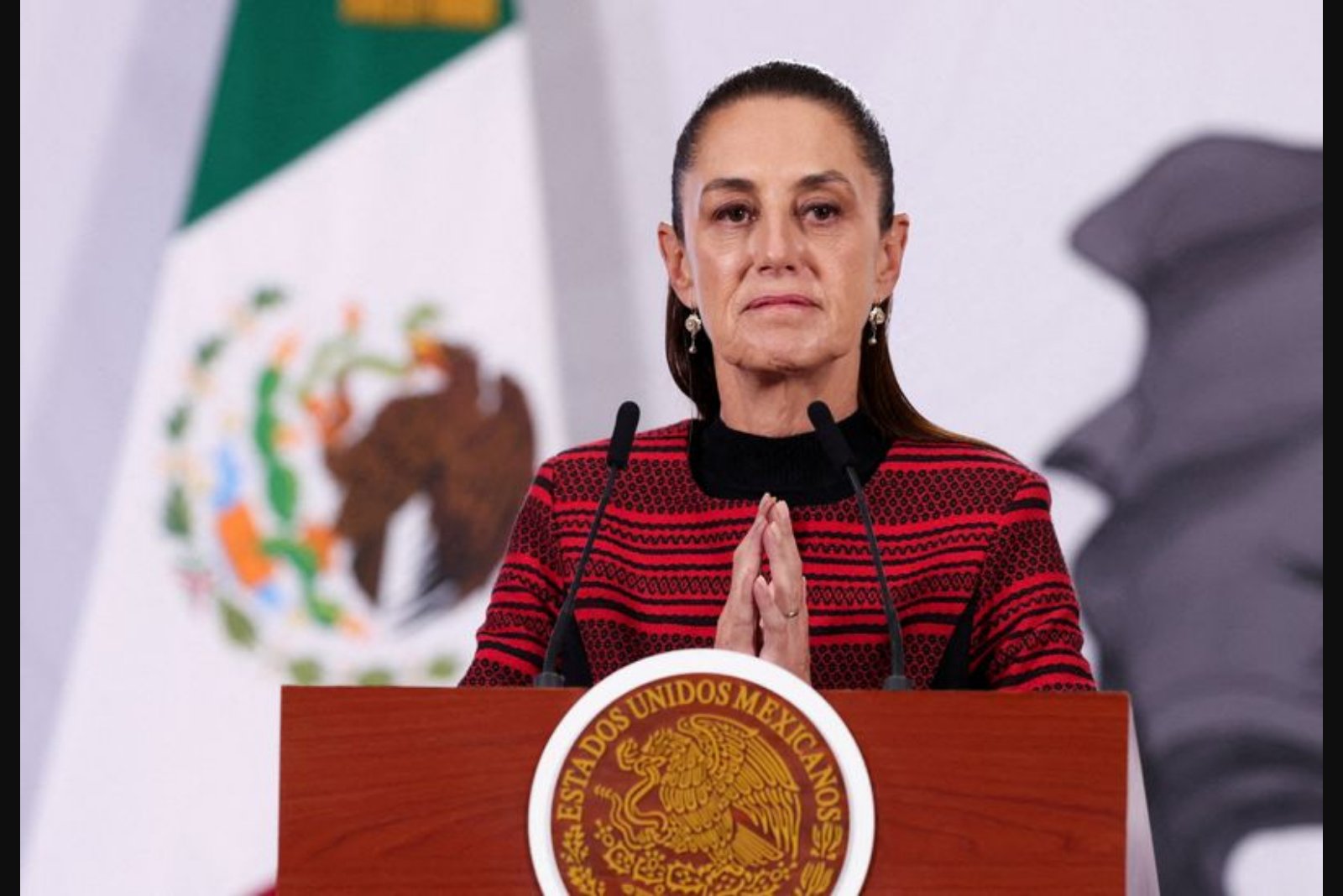
MEXICO CITY - Mexico’s president Claudia Sheinbaum said on Thursday that the Mexican prosecutor’s office will follow legal procedures if the U.S. government supplies sufficient evidence against Sinaloa Governor Ruben Rocha and other individuals charged by U.S. authorities. Sheinbaum qualified that, should the evidence fall short, the charges from the U.S. Department of Justice look political in nature.
Sheinbaum emphasized that Mexico will not accept interference by another government in its internal affairs. The Justice Department on Wednesday charged Rocha and others with conspiring with the Sinaloa Cartel to import substantial quantities of narcotics into the United States in return for political support and the payment of bribes.
The charges targeting Rocha represent an escalation in the United States’ campaign against narcotics organizations. While U.S. authorities have long pursued cartel leaders, formal indictments of sitting senior Mexican politicians remain uncommon.
At her regular morning press conference, Sheinbaum addressed the issue directly, saying: "We are not going to protect anyone who has committed a crime." She followed that by asserting a standard for action by Mexican authorities: "However, if there isn’t clear evidence, it is obvious that the objective of these indictments by the Department of Justice is political."
Her remarks lay out a conditional course of action: Mexican legal authorities will respond to extradition requests only when the evidentiary threshold is met, and she framed the existence or absence of such evidence as central to judging the motive behind the U.S. indictments.
The administration’s stance also highlighted a sovereignty concern, with Sheinbaum stating that Mexico will not allow a foreign government to interfere in its sovereign affairs. This line underscores how legal cooperation across borders can collide with political sensitivities when accusations involve high-level domestic officials.
The development follows the Justice Department’s announcement that charges link the governor and others to a conspiracy to move large amounts of narcotics into the United States, allegedly in exchange for political backing and bribes. The rarity of U.S. indictments against sitting senior Mexican politicians frames the case as a notable intensification of U.S. legal action against cartel-related networks.
Summary
President Sheinbaum conditioned Mexican legal cooperation on the presentation of clear, compelling evidence by U.S. authorities in the Justice Department’s case against Sinaloa Governor Ruben Rocha and others, while warning against perceived political motives and rejecting foreign interference in Mexico’s sovereignty.