
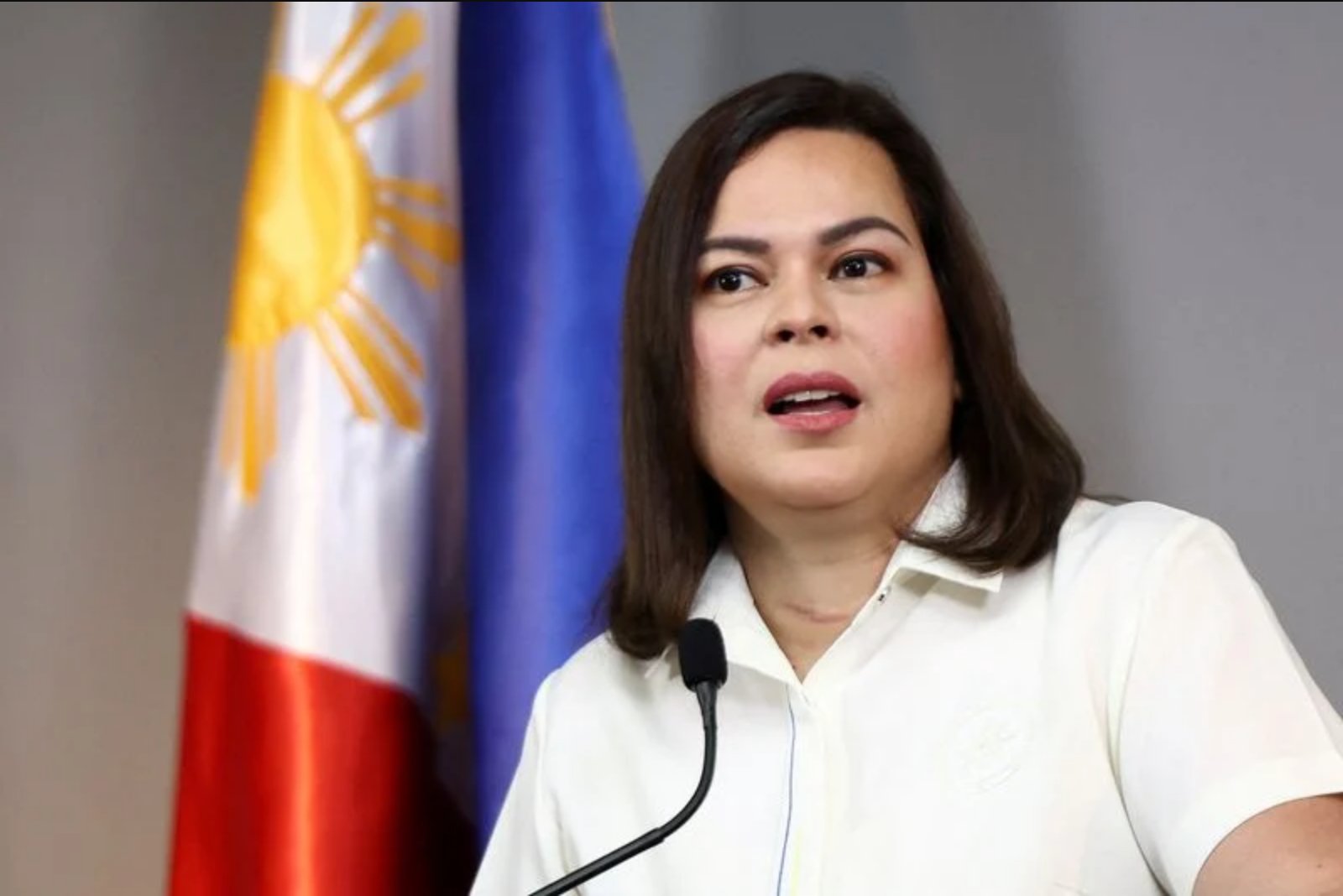
MANILA, July 6 - The impeachment trial of Vice President Sara Duterte begins on Monday and is expected to reverberate through the Philippines' political scene, shaping the outlook for the 2028 presidential election while intensifying a widening rift between two longstanding political dynasties. Observers say the trial's perceived fairness will be central to whether it bolsters or undermines public faith in political institutions.
Analysts emphasise that public reaction to the proceedings could determine their lasting impact. "If it is seen as politically motivated or lacking credibility, questions may linger regardless of the outcome," said Ederson Tapia, a public administration professor at the University of Makati. The comment underscores how legitimacy in the eyes of citizens may matter as much as any formal verdict.
How long the Senate trial will last is uncertain. Legal and procedural wrangling, the number of witnesses called, and the way evidence is presented are expected to influence its pace. By way of comparison, the article notes that a 2012 impeachment trial of a former chief justice ran for four months. A conviction in the current case will require at least 16 votes among the Senate's 24 members.
Opinion polling cited in coverage positions Duterte as a leading contender for the 2028 presidential race, but a guilty verdict could imperil those ambitions. Echoing this dynamic, Tapia added: "If the public perceives the process to have been fair, an acquittal could strengthen her position."
This marks the first time a vice president in the Philippines will face an impeachment trial. The charges against Duterte include allegations of misusing public funds, accumulating unexplained wealth and threatening the lives of President Ferdinand Marcos Jr, the first lady, and a former House Speaker. Duterte has denied any wrongdoing and maintains the impeachment is politically driven.
Responding to the vice president's denials, Congressman Robert "Ace" Barbers, spokesperson for the prosecution, said: "That is to be expected. We will let the evidence speak for itself." The prosecution has indicated it will rely on documentary and testimonial evidence to make its case.
Scholars emphasise the importance of giving both sides adequate opportunity to present their arguments to preserve public confidence. "They really have to make sure that both the prosecution and the defence are given enough time and voice ... so the public does not perceive the trial as favouring one side," said Jean Encinas-Franco, a political science professor at the University of the Philippines. She pointed to a past impeachment against then President Joseph Estrada, where a Senate decision to withhold key evidence sparked public outrage, halted the trial and contributed to mass protests that culminated in Estrada's removal from office in January 2001.
On the defence side, Duterte's lawyer Michael Poa told reporters the team stands ready to show the charges are without merit. He said the defence was prepared to prove the allegations were "baseless". Poa would not confirm whether Duterte herself would attend the first day of hearings, noting that the summons permits her to be represented by counsel.
A fractured alliance
Duterte and President Ferdinand Marcos Jr ran together on a joint ticket in 2022, but that political alliance has since broken down into a bitter feud that has spilled into the Senate. The split widened notably after former President Rodrigo Duterte was arrested and transferred to International Criminal Court custody in March of last year, a development that exacerbated tensions within the broader political landscape.
The schism has manifested inside the Senate, creating added uncertainty about how senators will act during the impeachment. In May, as the Senate prepared to accept the impeachment complaint from the House of Representatives, Senator Ronald "Bato" dela Rosa - a Duterte ally who had been out of the public eye since November - appeared in the chamber and cast the decisive vote to make Alan Peter Cayetano Senate president. Dela Rosa then reportedly remained inside the Senate before leaving early on May 14, following an episode of chaos and gunfire at the parliament building. His current whereabouts are described as unknown.
Cayetano previously served as the running mate of Rodrigo Duterte in the 2016 election. Meanwhile, Rodrigo Duterte is in The Hague facing trial on murder charges linked to his administration's "war on drugs." Dela Rosa, who also faces similar charges from the International Criminal Court and served as national police chief during much of the crackdown, has denied wrongdoing. The reporting notes that both men have denied the allegations against them.
About a month after those events, a rival bloc of senators gained enough backing to elect Senator Sherwin Gatchalian as Senate president. Analysts caution that these leadership contests and public displays of alliance should not be taken as definitive predictors of how individual senators will vote in the impeachment trial. "The impeachment process creates a different set of incentives and constitutional responsibilities than leadership contests or coalition politics," Tapia said.
The eventual verdict could also shape who emerges as the leading candidate for the Marcos faction in 2028, since President Marcos is constitutionally barred from seeking a second term. Political strategists and observers will be watching whether the trial strengthens or weakens Duterte's standing among voters and within elite circles.
The proceedings promise to test not only the legal standards applied in the Senate but also the resilience of public trust in political institutions. With the potential to influence the lineup for the next presidential election, the trial carries consequences beyond the courtroom and into the realm of electoral strategy and party positioning.