
World May 13, 2026 12:46 PM

Saudi Airstrikes Hit Iran-Linked Militia Positions in Iraq as Regional Fighting Continues

Strikes near Iraq-Saudi border follow a wider spiral of retaliatory attacks across the Gulf that have disrupted regional energy routes

By Sofia Navarro

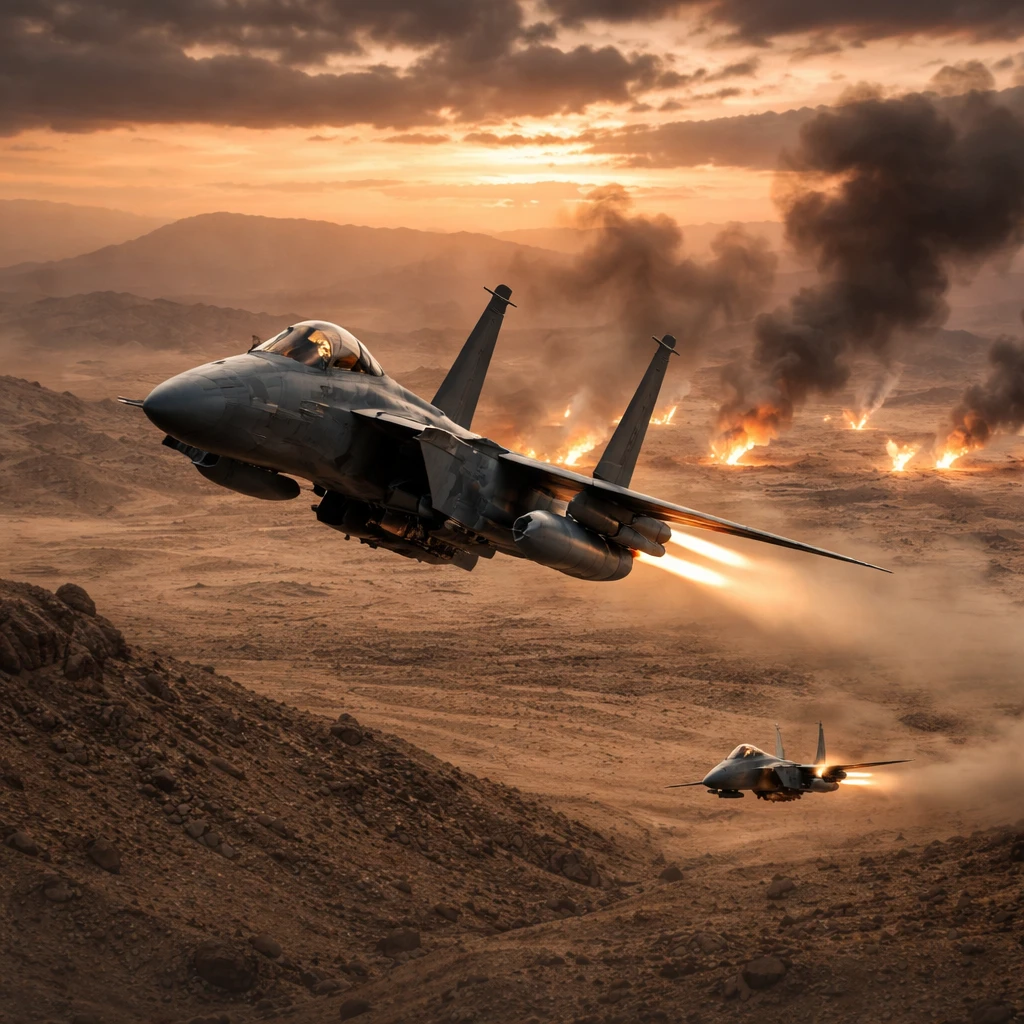
Saudi fighter jets executed airstrikes on positions tied to Iran-backed Shiite militias in northern Iraq, while separate retaliatory strikes were launched from Kuwait into Iraq, multiple sources familiar with the matter said. The attacks form part of a pattern of military responses across the Gulf that have unfolded since joint Israeli-U.S. strikes on Iran on February 28 and subsequent Iranian retaliation. Some Saudi strikes occurred around the time of the April 7 U.S.-Iran ceasefire and targeted launch sites for drones and missiles used against Saudi Arabia and other Gulf states. The broader exchanges have shaken energy markets and led to the temporary closure of the Strait of Hormuz.

Saudi Airstrikes Hit Iran-Linked Militia Positions in Iraq as Regional Fighting Continues

Key Points

  • Saudi air force jets struck sites linked to Iran-backed Shiite militias in northern Iraq, targeting drone and missile launch points used against Saudi Arabia and other Gulf states - energy and defense sectors impacted.
  • Retaliatory strikes were also carried out from Kuwait into Iraq, indicating coordinated or simultaneous military responses across multiple Gulf states - regional security and military contractors are affected.
  • The exchange of strikes follows joint Israeli-U.S. strikes on Iran on February 28 and was contemporaneous with an April 7 U.S.-Iran ceasefire, reflecting an ongoing cycle of escalation that has influenced energy route stability.

Overview

Saudi Arabian air force fighter jets carried out bombardments on targets linked to Tehran-backed Shiite militias inside Iraq, according to multiple sources familiar with the matter. In parallel, forces in Kuwait conducted retaliatory strikes into Iraqi territory, indicating simultaneous military activity along several front lines in the Gulf region.

Context and timing

Sources said the Saudi strikes struck Iran-linked militia positions near the Saudi northern border with Iraq. One Western official and another person briefed on the matter reported that some of the strikes occurred around the time of the April 7 U.S.-Iran ceasefire. The incidents fit into a broader pattern of operations that have not always been publicized as the conflict has widened across the Middle East since joint Israeli-U.S. strikes on Iran on February 28.

Targets and intent

Officials and those familiar with the operations said the Saudi airstrikes focussed on sites from which drones and missiles had been launched against Saudi Arabia and other Gulf states. The stated tactical aim, as described by the sources, was to neutralize launch points that had been used in cross-border attacks.

Regional repercussions

The series of exchanges that followed the initial strikes on Iran included Iranian strikes on Gulf states and Israel. Those escalatory moves have had economic effects, according to the sources, contributing to instability in regional energy routes and prompting the temporary closure of the Strait of Hormuz - a waterway through which roughly one fifth of global oil and liquefied natural gas shipments pass.

Ongoing uncertainty

Multiple sources described the operations as part of a continuing pattern of military responses across the Gulf. The available information does not provide a comprehensive accounting of all strikes, nor does it indicate the full scope of damage or casualties resulting from these actions. The situation remains fluid, with episodic strikes and retaliations occurring alongside diplomatic efforts, including the April 7 ceasefire referenced by sources.


Note: The reporting is based on accounts from multiple sources familiar with the matter; details were provided to the reporting team by those sources and by officials briefed on the events.

Risks

  • Continued cross-border strikes and retaliations could disrupt energy shipping and markets, as seen with the temporary closure of the Strait of Hormuz - impact on oil and LNG markets.
  • Limited and fragmentary reporting leaves uncertainty about the full scope of operations, damage, and casualties, complicating market and policy responses - affects geopolitical risk assessment and defense spending.
  • The pattern of retaliatory attacks across the Gulf raises the possibility of further escalation or spillover into additional states, increasing volatility for regional trade and supply chains.

More from World

German coalition to trim €3 billion in subsidies to finance tax relief for low-income households May 13, 2026 Saudi jets and Gulf strikes targeted Iran-backed militias in Iraq during the war, sources say May 13, 2026 Shots Ring Out at Philippine Senate as ICC-Targeted Senator Seeks Shelter May 13, 2026 South Carolina Supreme Court Orders New Trial for Former Lawyer Alex Murdaugh May 13, 2026 Wider Fallout: How the Iran War Has Reshaped Security and Economies Across the Middle East May 13, 2026