
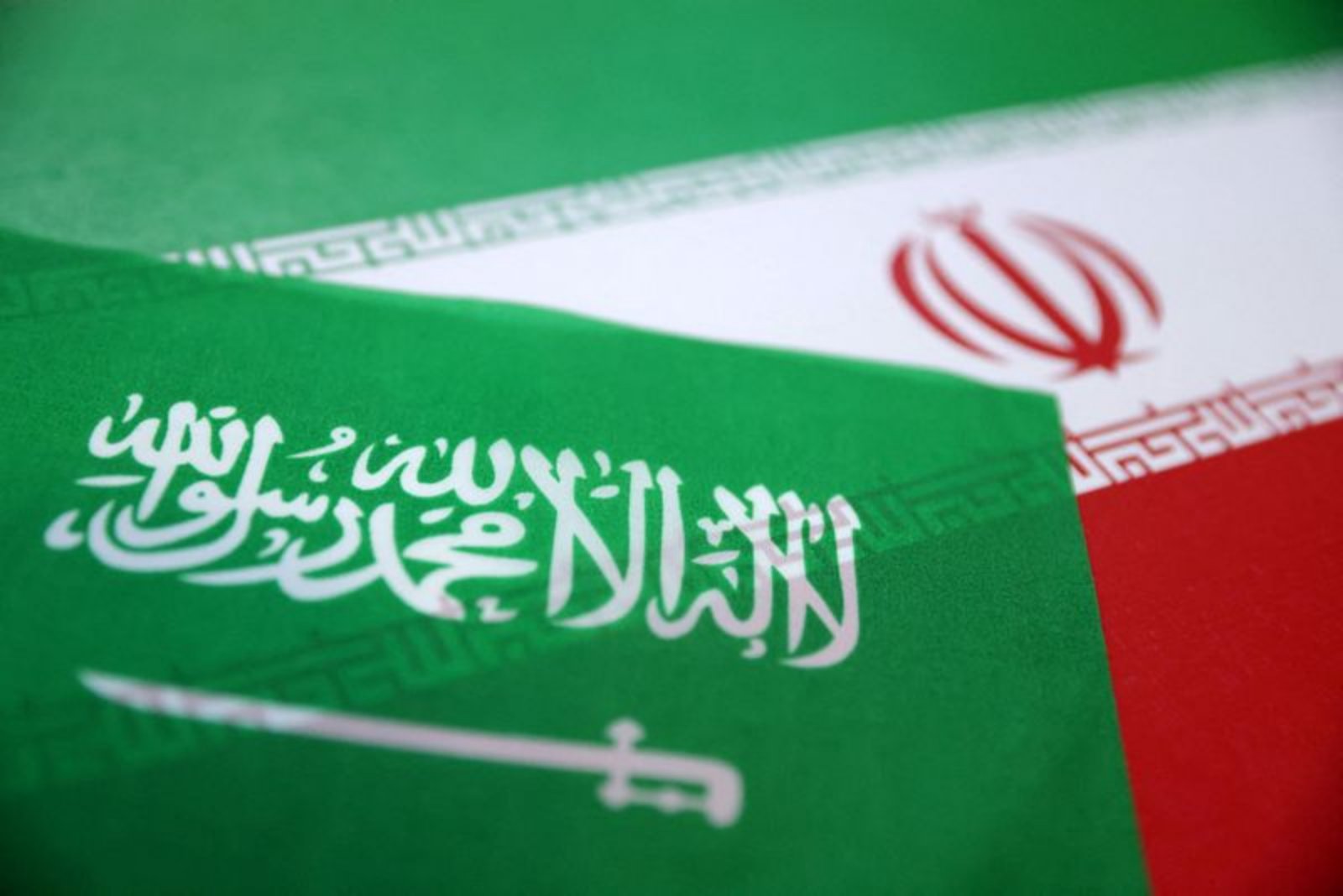
Sources briefed on the matter say that in late March the Saudi Air Force executed multiple, previously unreported strikes against locations in Iran in response to attacks that had struck the kingdom during the course of the wider regional conflict. Two Western officials and two Iranian officials described the operations to reporters, saying Riyadh had moved to retaliate after sustained attacks on its territory.
One Western official characterized the Saudi response succinctly as "tit-for-tat strikes in retaliation for when Saudi (Arabia) was hit." Reuters was unable to independently verify the precise targets inside Iran that were struck.
Requests for comment were met with limited responses. A senior Saudi foreign ministry official did not directly confirm whether strikes had been carried out. The Iranian foreign ministry did not reply to a request for comment.
Context and significance
The reported Saudi operations mark a notable shift in the kingdom's posture - the first time it is publicly known to have executed direct military action on Iranian soil. Historically reliant on the U.S. military for protection and deterrence, Saudi Arabia has found itself exposed as a 10-week war eroded the protective scope of that security umbrella and left the kingdom vulnerable to repeated missile and drone strikes.
The strikes by Riyadh are part of a widening shadow conflict that began in late February when the United States and Israel launched airstrikes on Iran on February 28. In the weeks that followed, Iran fired missiles and drones at all six Gulf Cooperation Council states, striking U.S. military bases as well as civilian targets such as airports and oil infrastructure, and at times closing the Strait of Hormuz - an action that disrupted global trade flows.
Gulf Arab states have increasingly moved to hit back. The United Arab Emirates has also conducted military strikes on Iran, according to reporting. Together, the responses by Gulf monarchies illustrate a broader pattern in which states directly affected by Iranian strikes have begun to take military measures themselves.
Diverging approaches among Gulf states
Even as Gulf states have responded militarily, their strategies have not been uniform. The UAE has adopted a more overtly hawkish posture, pressing to impose costs on Tehran and limiting public diplomatic engagement. By contrast, Saudi Arabia has sought to temper escalation even while taking covert action. Riyadh has remained in regular contact with Iran, including through Tehran's ambassador in Riyadh, who did not respond to a request for comment.
A senior Saudi foreign ministry official emphasized the kingdom's public stance, stating: "We reaffirm Saudi Arabia’s consistent position advocating de-escalation, self-restraint and the reduction of tensions in pursuit of the stability, security and prosperity of the region and its people."
Strikes, notification and a diplomatic pause
Both Iranian and Western sources said Saudi authorities ensured Tehran was made aware of the strikes. That notification was followed by intense diplomatic engagement, and by Saudi threats of further retaliation, which the sources say helped produce an understanding between Riyadh and Tehran to step back from further confrontation.
Ali Vaez, director of the Iran Project at the International Crisis Group, commented on the pattern: retaliatory strikes by Saudi Arabia followed by an agreement to de-escalate would reflect a pragmatic recognition on both sides that unchecked escalation would carry unacceptable costs. He suggested such a sequence would indicate a mutual interest in imposing limits on confrontation rather than deep trust.
According to the officials, an informal de-escalation between Riyadh and Tehran took effect in the week before Washington and Tehran reached a ceasefire in their wider conflict on April 7. The White House did not provide a comment when asked.
One Iranian official confirmed that a de-escalation understanding had been reached between Tehran and Riyadh, describing it as a move intended to "cease hostilities, safeguard mutual interests, and prevent the escalation of tensions."
Broader regional dynamics and prior détente
The two regional powers - Iran and Saudi Arabia - represent the principal Shi'ite and Sunni states in the Middle East and have supported opposing groups across the region for years. A China-brokered détente in 2023 had restored diplomatic ties between them, and included a ceasefire between Iran-aligned Houthi forces in Yemen and Saudi Arabia that largely held.
Throughout this recent period of confrontation, Saudi Arabia has managed to keep the Red Sea open to shipping, enabling it to continue oil exports while other Gulf states experienced wider disruption. That operational continuity has helped Riyadh remain relatively insulated economically even as security pressures mounted.
In an op-ed published in a Saudi-owned outlet over the weekend, former Saudi intelligence chief Prince Turki al-Faisal framed Riyadh's calculus, writing that "when Iran and others tried to drag the kingdom into the furnace of destruction, our leadership chose to endure the pains caused by a neighbor in order to protect the lives and property of its citizens."
Escalation and de-escalation in late March and April
The reported Saudi strikes followed a period of intensifying tension. On March 19, at a press conference in Riyadh, Saudi Foreign Minister Prince Faisal bin Farhan stated that the kingdom "reserved the right to take military actions if deemed necessary." Shortly thereafter, on March 22, Saudi Arabia declared Iran's military attaché and four embassy staff members personae non gratae.
By the end of March, Western sources say diplomatic channels and Saudi warnings of possible further retaliatory steps - potentially mirroring the UAE's more forceful posture - helped to produce an understanding to de-escalate. The volume of hostile strikes directed at Saudi Arabia declined sharply in the days that followed: from more than 105 drone and missile attacks in the week of March 25-31 to just over 25 between April 1-6, according to a tally of Saudi defence ministry statements.
Western analysts assessed that in the run-up to the broader ceasefire, many of the projectiles fired at Saudi Arabia originated from Iraq rather than from Iran directly, signaling that Tehran had curtailed direct strikes even as allied groups continued operations. On April 12, Saudi Arabia summoned Iraq's ambassador to protest attacks launched from Iraqi soil.
Tensions persisted despite the ceasefire
Communication between Riyadh and Tehran did not end with the informal understanding. Strains surfaced at the start of the wider U.S.-Iran ceasefire when the Saudi defence ministry reported a sudden spike in assaults - 31 drones and 16 missiles fired at Saudi Arabia on April 7-8. That surge prompted Riyadh to weigh retaliation against both Iran and Iraq, while Pakistan sent fighter jets to reassure the kingdom and urged restraint as diplomatic efforts continued.
The episode underlines the fragile and complex nature of the recent pause in hostilities: diplomatic contacts have reduced some direct strikes, but actors operating from third-party territories and the persistence of allied groups mean the risk of renewed escalation remains present.
What remains uncertain
Several key elements of the reported strikes remain unclear. Independent verification of the precise targets struck in Iran by Saudi forces is lacking. Officials quoted in this account described the operations and their diplomatic aftermath, but direct confirmation from Iranian or Saudi authorities about the specific incidents was limited in public statements. The durability of the de-escalation understanding between Riyadh and Tehran is also uncertain, given subsequent spikes in attacks and the presence of multiple non-state and state-linked actors operating across the region.
As the parties navigate a delicate balance between retaliation and restraint, the wider regional conflict continues to present risks to civilian infrastructure, trade routes and the strategic calculations of Gulf states.