
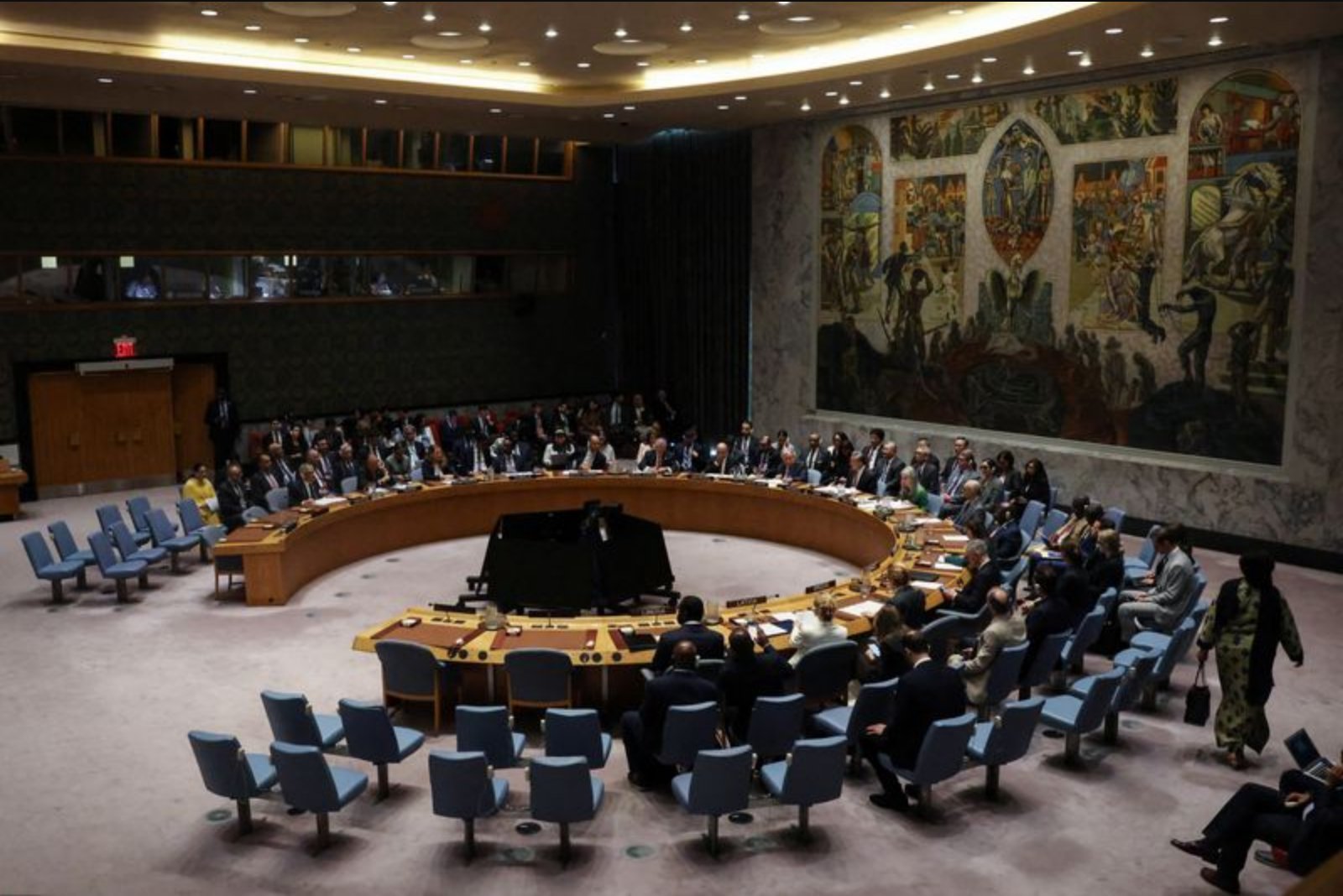
WASHINGTON, May 26 - Russia's permanent representative to the United Nations told the Security Council on Tuesday that the United States denied a visa to Deputy Foreign Minister Alexander Alimov, who Moscow had planned to send to a council meeting. Vassily Nebenzia framed the refusal as a breach of U.S. responsibilities under the U.N. Headquarters Agreement.
Nebenzia made the remarks during a session of the 15-member Security Council that was chaired by China's Foreign Minister Wang Yi. He said Alimov had been intended to represent the Russian delegation at the level of deputy foreign minister and that Alimov "oversees matters related to the United Nations." The State Department did not immediately respond to questions about Nebenzia's account.
According to Nebenzia, Russia made multiple attempts to persuade U.S. authorities to grant the visa, but "that visa was ultimately not granted." He cited the U.N. Headquarters Agreement, saying access to the U.N. headquarters in New York "needs to be provided for all officials of member states, barring none."
Nebenzia also characterized the visa refusal as "an egregious instance of disrespect for the Chinese presidency of the Security Council, and of the topic that is under discussion today, that of the Charter of the United Nations." He linked Russia's objection both to procedural access to the U.N. and to the symbolism of how the council's presidency and agenda were being treated.
The account provided by Russia's U.N. representative emphasized the diplomatic friction arising from the delegation arrangement for the China-chaired meeting and reiterated Moscow's view that the visa denial contravened obligations tied to the U.N. headquarters in New York. Beyond Nebenzia's statements and the note that the State Department had not immediately replied, the matter was described in those terms at the Security Council session.
The situation, as presented by Russia, raises questions about member-state access to forum sessions and about how delegations are allowed to participate in council work when travel or visa issues arise. Nebenzia's remarks framed the episode as both a procedural grievance under the Headquarters Agreement and a matter of respect for the council presidency and agenda.