
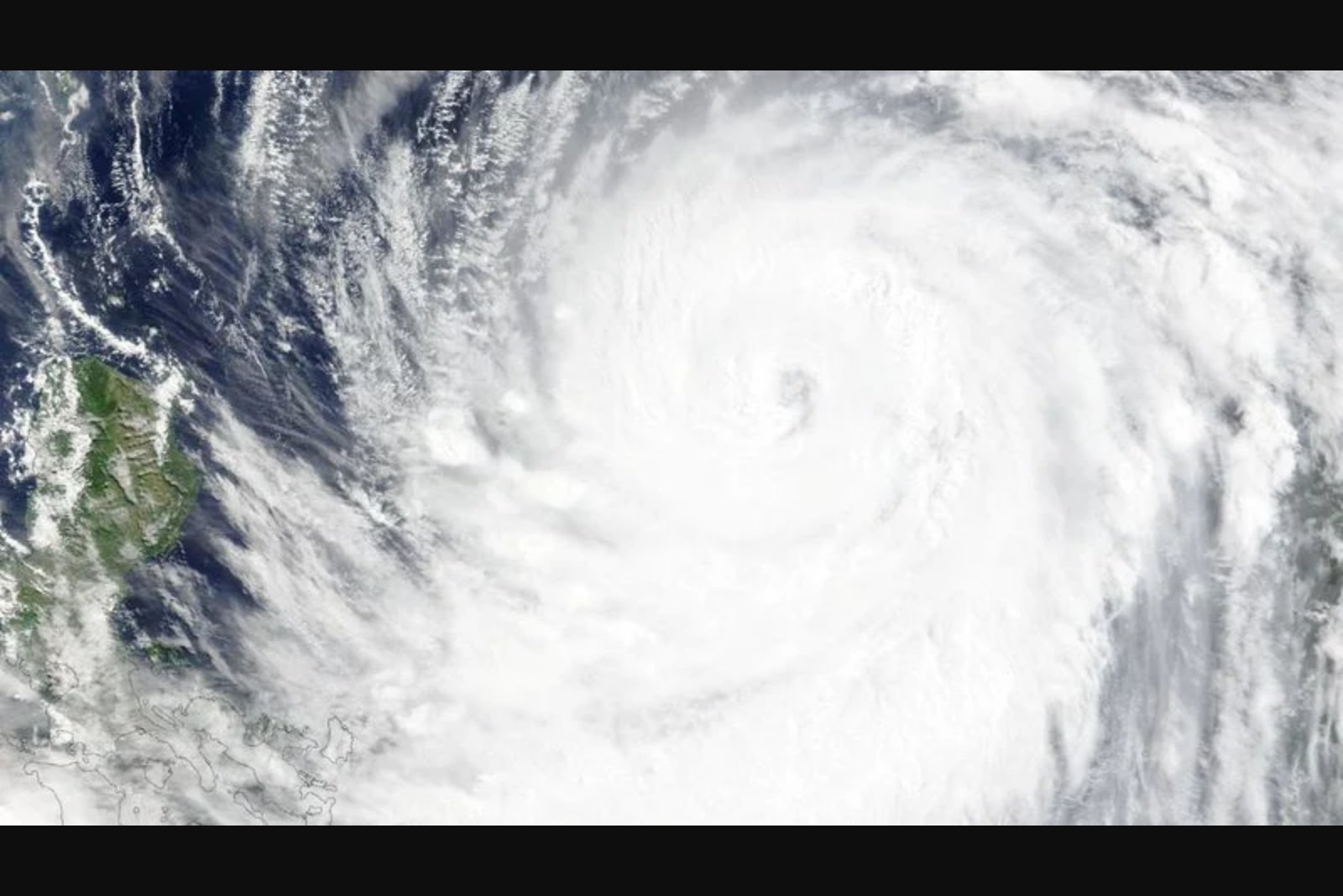
Fishermen, farmers and emergency crews spent Thursday bolstering defences and securing property as Typhoon Bavi gathered strength southeast of Taiwan and edged toward China’s eastern coast. In the northeastern Taiwanese fishing port of Suao, hundreds of vessels crowded into the harbour to ride out the approaching storm, while residents collected sandbags and farmers hurried to harvest crops threatened by heavy rain.
"Don’t be fooled by the nice and calm weather now. A storm like this could be the most terrifying," said Chen Ming-hui, captain of a 3-metric-ton fishing vessel, recalling experiences of previous typhoons that sank boats and flooded the town.
Authorities in Taiwan warned that Bavi could drop as much as one metre of rain in the mountains north of Taipei and placed about 29,000 soldiers on standby, according to the defence ministry. Officials said the storm has the potential to become Taiwan’s strongest typhoon since Kong-rey in 2024, which killed three people.
China’s National Meteorological Centre reported Bavi’s winds were approaching 200 kph (124 mph) and the system spanned roughly 1,000 km (621 miles) at its widest point - comparable in breadth to the width of France. Forecasts indicated the storm would skirt northern Taiwan before making landfall in China’s eastern Fujian province on Saturday evening.
Jason Chang, a forecaster at Taiwan’s Central Weather Administration, told Reuters that storms of Bavi’s size have been fairly rare in recent years and that this event was set to be the largest by area to affect the island since 1987.
Preparations extended to transport hubs. Taiwan’s main international gateway at Taoyuan Airport announced that Taiwanese carriers had cancelled all Saturday departures because of the typhoon, disrupting planned travel and freight movements.
Across the Taiwan Strait, rescue operations continued in southern China where communities were still reeling from Typhoon Maysak. Teams in Guangxi remained engaged in search-and-rescue efforts among wreckage and flooded areas. Authorities reported at least 39 fatalities from Maysak, with nine people still unaccounted for.
Maysak’s remnants produced at least two inland tornadoes and triggered major flooding in central Hubei province. In the worst-affected towns of Guangxi, residents clambered from second-storey windows onto the backs of rescue workers to escape inundated apartments, state media footage showed. People were seen pulling possessions from floodwaters while aid workers used drones to deliver essentials to places cut off by the storm.
Agricultural and animal holdings suffered heavy losses. Photographs published by Beijing News showed rows of dead pigs on a farm in Binyang County, their bloated bodies after being submerged for two days. China’s Global Times reported that three lions drowned at Guigang Zoo, and the zoo operator said about 100 animals - including zebras, porcupines, parrots and raccoons - were missing.
Analysts and forecasters noted environmental conditions that can amplify tropical cyclone intensity. Scientists link increasingly destructive weather events across China, Japan and Taiwan to climate-related trends, and forecasters warned that the expected emergence of El Nino this year could raise temperatures and help fuel more frequent and intense typhoons.
Commercial forecaster AccuWeather warned that although some loss of wind intensity was anticipated beginning Thursday, Bavi would remain dangerous as it affected Taiwan and eastern China from later Friday into Monday. Jason Nicholls of AccuWeather said the storm would retain hazards even if winds eased.
Japan’s meteorological agency advised residents in Okinawa Prefecture to stay on high alert for violent winds, landslides, flooding and storm surges on Friday and Saturday. Airlines in Japan adjusted schedules: Japan Airlines cancelled 50 flights for Friday, affecting about 7,600 passengers, while All Nippon Airways cancelled 34 flights affecting around 1,800 travellers, with further cancellations planned for Saturday.
Researchers monitoring tropical cyclones cautioned about Bavi’s extended development over open waters. Xiangbo Feng, a tropical cyclone researcher at Imperial College London, said the storm had spent a long time intensifying over the Pacific, drawing energy from warm ocean surfaces and accumulating substantial moisture. He warned that the combination of size and moisture could lead to catastrophic impacts at landfall or near coastal regions, and that small changes in the storm’s track could substantially alter expected effects.
As authorities in multiple jurisdictions prepared for Bavi, emergency services balanced mounting relief operations in Maysak’s aftermath with pre-emptive measures for the incoming storm. With tens of thousands of soldiers on standby, aircraft grounded and communities bracing for heavy rains and storm surge, officials and residents are taking steps intended to reduce casualties and property damage while rescue teams continue to search for survivors of the earlier typhoon.
Context and ongoing concerns: The region faces overlapping threats from two powerful systems within days - recovery from Maysak and preparations for Bavi - raising immediate humanitarian and logistical challenges. Emergency responders must manage continuing search-and-rescue efforts, distribute aid to hard-to-reach locations, and mobilise defences against additional flooding and high winds.