
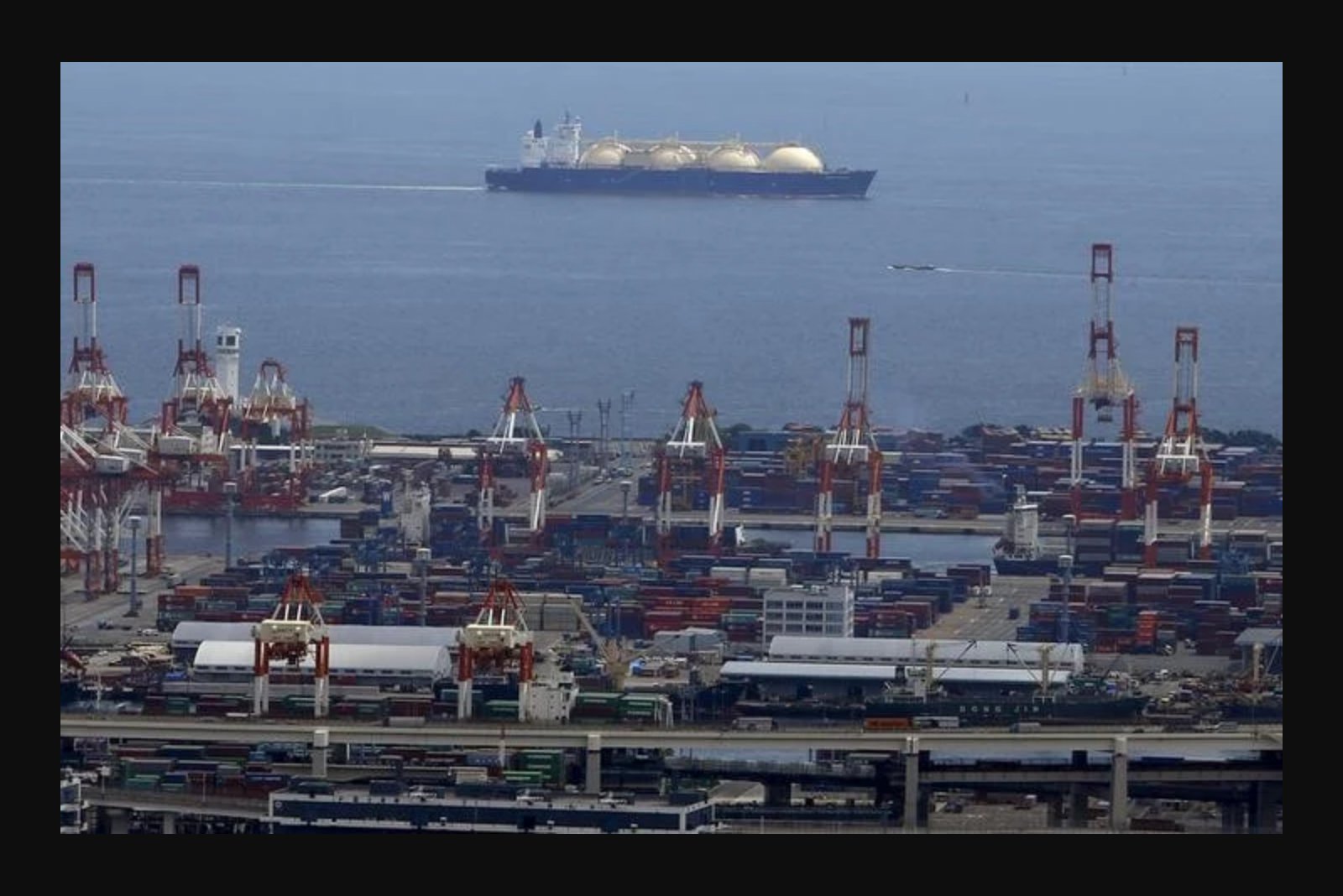
Qatar has put on hold its immediate plans to accelerate output at the world's largest liquefied natural gas facility after a tanker carrying Qatari cargo was targeted in the Strait of Hormuz on Tuesday.
Following the incident, QatarEnergy convened a series of internal meetings in which Chief Executive Officer Saad Al-Kaabi decided to suspend the planned ramp-up of production at the Ras Laffan complex, according to people briefed on the matter. The plant will remain at minimal operational levels for safety reasons, and the number of vessels scheduled to berth there in the coming days will be reduced, the sources said.
The move reflects immediate operational caution amid a week of heightened tensions in and around the Strait of Hormuz. The region experienced attacks on several ships near the waterway, and U.S. forces conducted strikes on Iran on two consecutive days. President Donald Trump on Wednesday referenced the possibility of renewed full-scale war.
The suspension represents a significant repercussion of the recent escalation. Operators across the energy sector in the region - many of whom were already in the process of recovering from earlier conflict-related disruptions - will now contend with an added operational setback tied to concerns about secure transit through the Strait of Hormuz.
Qatar's decision prioritizes safety at Ras Laffan and aims to limit vessel movements while the security situation and potential risks to shipping lanes are reviewed. The immediate effect is a short-term restraint on output from a major LNG hub, with the timeline for any subsequent resumption of the planned increase left contingent on developments and assessments by company leadership.
Officials involved in the decisions described the steps as precautionary. Beyond the direct operational adjustments at Ras Laffan, the action underscores how regional maritime security events can prompt swift changes to production and logistics plans for large energy infrastructures.
Summary: QatarEnergy halted plans to boost Ras Laffan LNG output after a tanker attack in the Strait of Hormuz, keeping the facility at minimal operations and cutting the number of vessels scheduled to dock while assessing safety amid escalating regional incidents.