
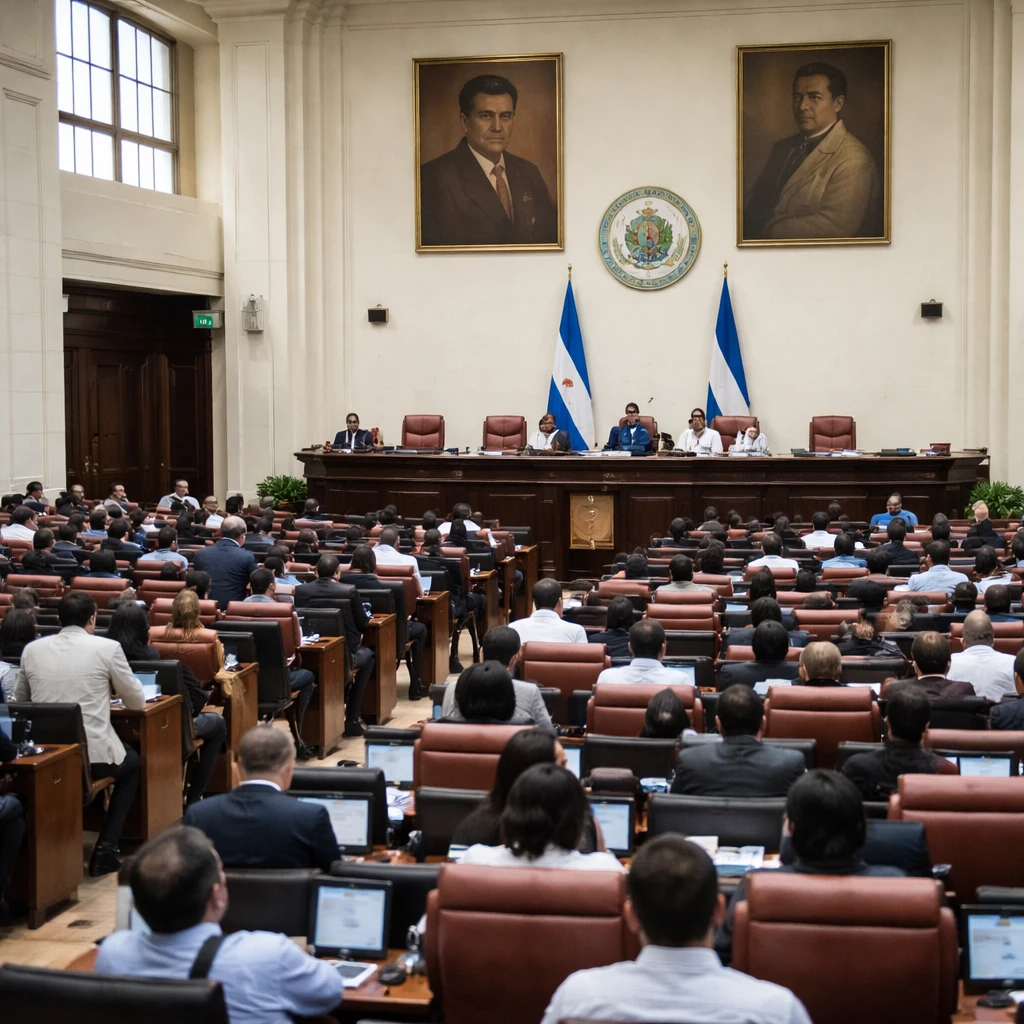
Sept. 1 - Nicaragua's legislature on Tuesday moved forward with a constitutional amendment that would bar opposition parties from participating in elections and lengthen executive and security leadership terms from six to seven years. The proposal, advanced by co-presidents Daniel Ortega and Rosario Murillo, cleared its initial vote in the National Assembly.
Murillo said on Monday that the amendment will face a second required vote beginning Jan. 18, reflecting a legal requirement that constitutional changes be approved across two separate legislative sessions before they can be enacted. Until that second vote occurs, the amendment remains pending.
The draft measure would not only exclude opposition parties from contesting elections but also extend the terms of the co-presidents, other elected officials, and the heads of the army and police from six to seven years. The change follows a series of constitutional adjustments and political moves by the ruling party earlier in 2024.
In a notable prior step this year, the ruling party approved a reform that increased the presidential term from five to six years, elevated Rosario Murillo from vice president to co-president, and postponed national presidential elections originally slated for the end of this year until late 2027.
On July 19, President Ortega publicly declared that "there won’t be any more elections" in Nicaragua, a statement he framed as a measure to prevent the opposition from "seizing the government" again. That declaration and the subsequent legislative measures have prompted criticism across the region.
Several Central American governments, along with Bolivia, Brazil and Chile, publicly criticized Ortega's announcement as a setback for democracy. The United States urged the international community to isolate the Nicaraguan government, and Panama responded by withdrawing its ambassador from Managua.
Ortega, a former leftist guerrilla who helped overthrow the Somoza family in the late 1970s, assumed his fourth consecutive term in January 2022 after winning a contested election the previous November. Approaching his 81st birthday, Ortega has held power for nearly two decades, making him the longest-serving leader in the Americas under the present circumstances described by the legislature's actions.
Nicaragua has experienced a prolonged political crisis since April 2018, when government forces repressed a wave of anti-government protests. That period of unrest resulted in more than 300 deaths, thousands of injuries, and a large outflow of Nicaraguan citizens leaving the country.
Context and next steps
The amendment now awaits the constitutionally required second vote in a separate legislative session scheduled to start Jan. 18. Until that session concludes, the legal status of the proposed changes remains unresolved. The legislative agenda and international responses suggest continued diplomatic scrutiny and potential pressure on Managua depending on the outcome of the next vote.