
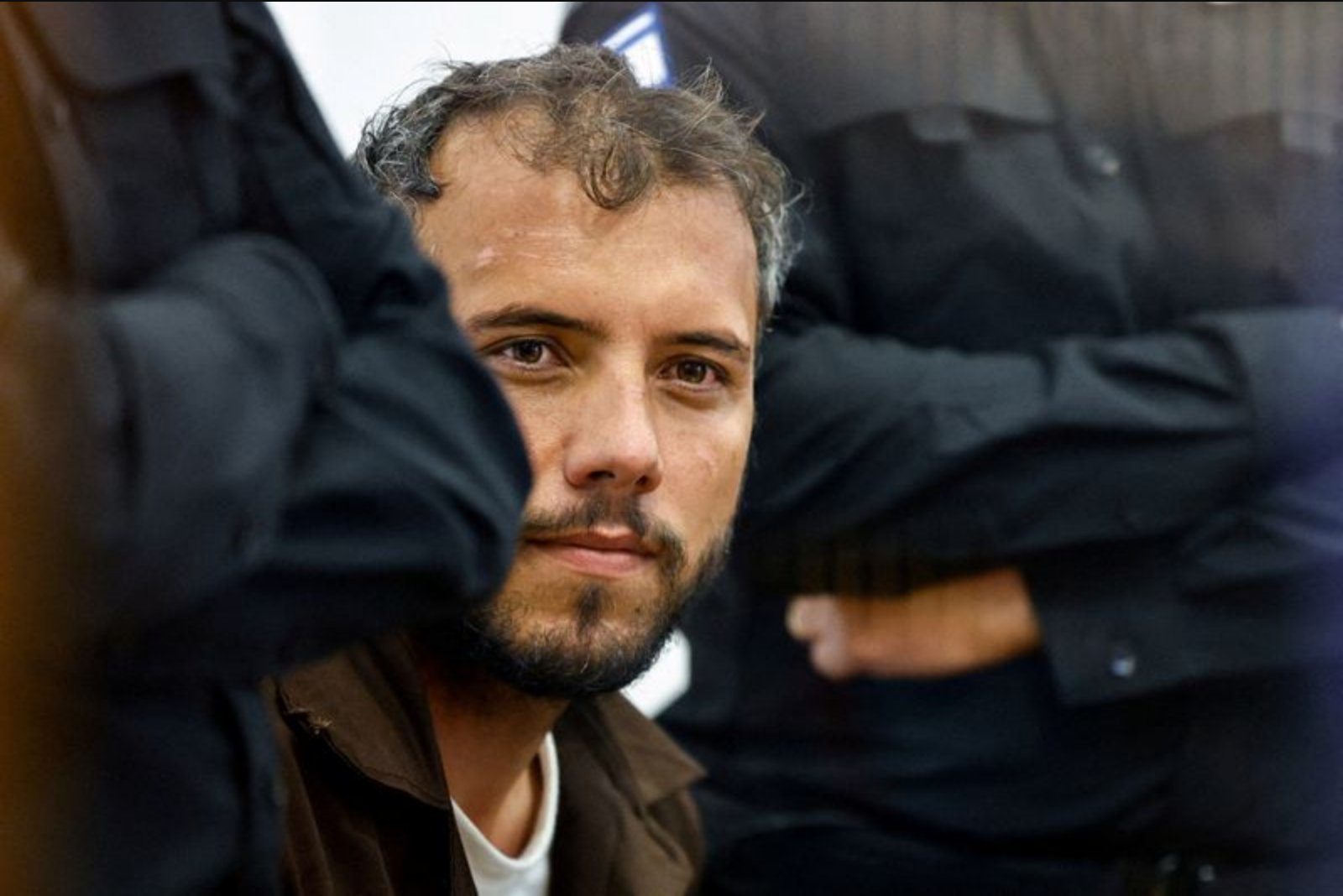
Israel has deported two activists who were arrested while aboard a flotilla bound for Gaza, the foreign ministry said on May 10. The two individuals - Saif Abu Keshek, a Spanish national, and Thiago Avila, a Brazilian - were part of a second Global Sumud Flotilla that departed Spain on April 12 with the stated goal of attempting to breach Israel's blockade of the Gaza Strip to deliver humanitarian aid.
According to the foreign ministry, Israeli authorities detained the activists on April 29 while the flotilla was in international waters and brought them to Israel. The ministry said Abu Keshek was suspected of affiliation with a terrorist organisation and Avila was suspected of illegal activity. Both men have denied those allegations, asserting they were on a humanitarian mission to assist Gaza's civilian population and that their arrest in international waters was unlawful.
The flotilla was described by organizers as a humanitarian effort to deliver aid to Gaza. Gaza is largely governed by the Palestinian militant group Hamas, which Israel and much of the West designate as a terrorist organisation. The October 7, 2023 attack by Hamas on Israel precipitated the Gaza war that followed and, according to the article, left a large portion of Gaza's population homeless and reliant on aid. Humanitarian agencies cited in the article say aid is arriving too slowly to meet needs.
The incident underscores the continued friction surrounding maritime attempts to deliver assistance to Gaza and the legal and security contentions that can arise when such missions encounter Israeli enforcement. The detained activists dispute the grounds on which they were held and challenge the legality of their arrest in international waters; Israeli authorities, for their part, have set out suspicions regarding their activities.
This episode sits against the broader humanitarian context described in the article, where the Gaza population faces displacement and dependence on external assistance following the conflict that began with the October attacks. The article records the sequence of events and the positions of the parties involved without offering adjudication of the competing claims.
Key details:
- Two activists, one Spanish and one Brazilian, were detained on April 29 while on a Gaza-bound flotilla launched from Spain on April 12.
- Israel's foreign ministry cited suspicions against the activists - affiliation with a terrorist organisation in one case and illegal activity in the other - which the activists deny.
- Organizers and the activists maintain the mission was humanitarian and say their arrest in international waters was unlawful.