
Iran has begun exploring the possibility of resuming crude oil deliveries to Japan, marking the first such talks in seven years, according to Iranian and Western sources. The outreach follows a short-term U.S. sanctions waiver issued on June 22 as part of a 60-day framework tied to peace negotiations.
Three Japanese buyers are reported to be evaluating potential imports from Iran, which would be Japan's first purchases of Iranian crude since 2019. Officials from both Tokyo and Tehran have also held initial conversations about a possible resumption of oil trade.
Industry participants say the current waiver period - which expires on August 21 - is too brief to support routine commercial shipments. Voyages from Iranian loading ports to Japanese refineries typically take several weeks, and market sources indicate that refiners would need a longer authorization window to schedule cargoes and manage logistics under normal trading operations.
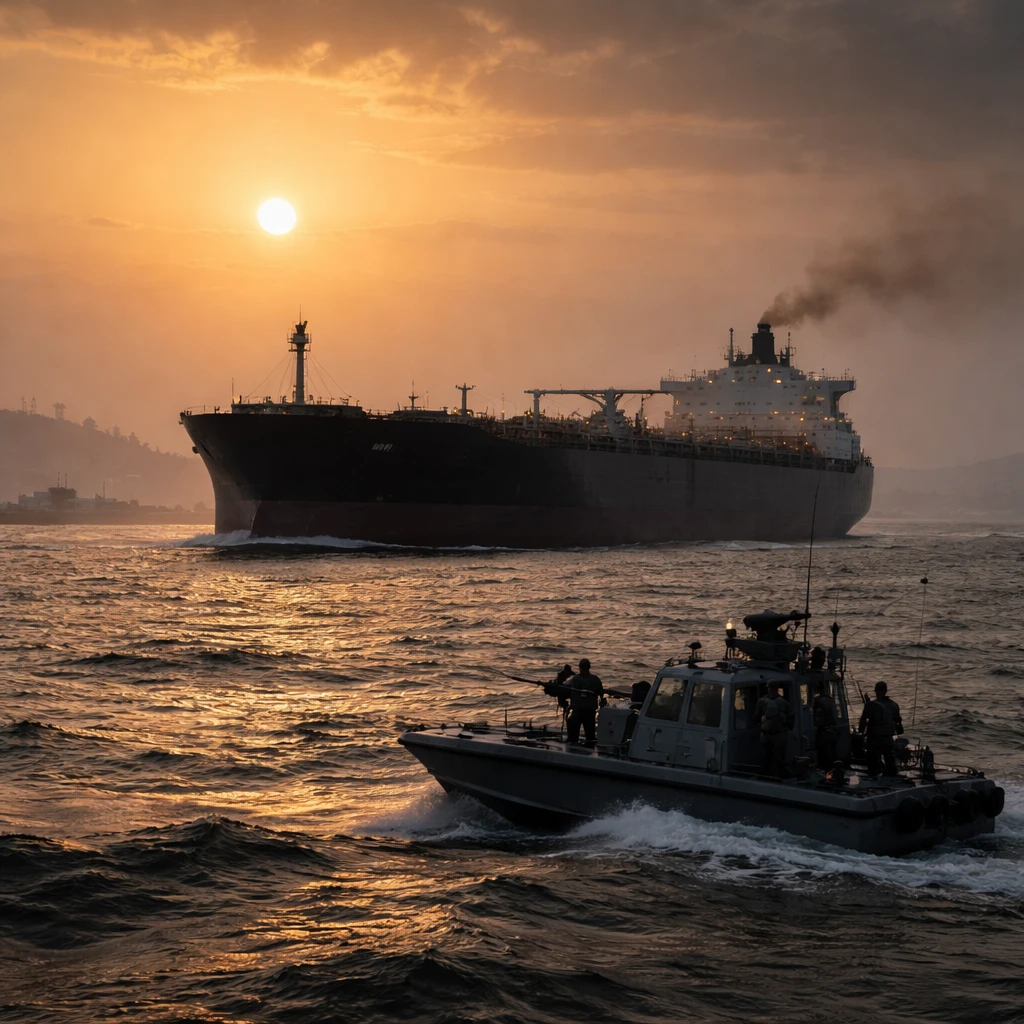
Insurance and shipping security remain central concerns. Sources within the shipping and insurance industries told contacts that availability of cover and safe transit through the Strait of Hormuz are key conditions for buyers. Although a ceasefire between Tehran and Washington has eased immediate tensions, insurers continue to exercise caution following recent attacks and reports of floating mines in the waterway, and commercial vessels still face elevated security risks.
After the United States tightened sanctions in 2018 following its withdrawal from the Iran nuclear agreement, Japan, South Korea, India and several European countries halted purchases of Iranian crude. Since that time, China has been the primary customer for Iranian oil.
Market participants and industry analysts expect the temporary waiver alone is unlikely to spur significant buying from well-supplied Asian refiners unless it is extended and accompanied by a durable peace agreement. In the near term, independent Chinese refiners are viewed as the most probable immediate buyers if flows materialize, given their historical role and market structure.
For Japanese refiners to move forward with contracts, two conditions are repeatedly cited in industry discussions: a longer duration of sanctions relief that accommodates voyage times and cargo scheduling, and improved clarity on insurance and maritime security for routes transiting the Strait of Hormuz.
The current dynamics leave several elements unresolved. The authorization window set by the U.S. runs through August 21, and parties involved in the early-stage talks say that practical commercial shipments would require either an extension of that waiver or a change in the risk and insurance environment that would allow routine trade to resume without exceptional measures.
Until those conditions change, market observers expect only limited, cautious engagement from major Asian refiners. The situation continues to be monitored by trading desks and shipping insurers, given the direct implications for crude flows, refinery run rates and maritime insurance markets.
Summary
Iran has opened preliminary discussions with Japanese buyers about selling crude for the first time since 2019 after the U.S. granted a temporary sanctions waiver on June 22 tied to 60-day peace talks. The waiver expires on August 21, and industry sources say the short timeframe, insurance availability and persistent security risks in the Strait of Hormuz make immediate commercial shipments unlikely without an extension or additional assurances.
Key points
- Three Japanese buyers are evaluating potential Iranian crude imports - sectors affected: oil refining, trading and energy markets.
- The U.S. temporary waiver issued June 22 lasts 60 days and expires August 21 - sectors affected: sanctions compliance, international trade and legal/transaction services.
- Insurers and shippers remain cautious due to recent attacks and reports of floating mines in the Strait of Hormuz - sectors affected: marine insurance, shipping and logistics.
Risks and uncertainties
- Short duration of the current waiver - without an extension, voyage times make routine shipments impractical; impacts crude trading and refinery feedstock planning.
- Insurance availability and maritime security through the Strait of Hormuz - continued caution from insurers could impede shipments and raise transport costs; impacts shipping, insurance and energy supply chains.
- Dependence on a broader peace agreement - temporary measures may not lead to sustained trade unless a lasting arrangement is reached; impacts regional trade flows and market confidence.