
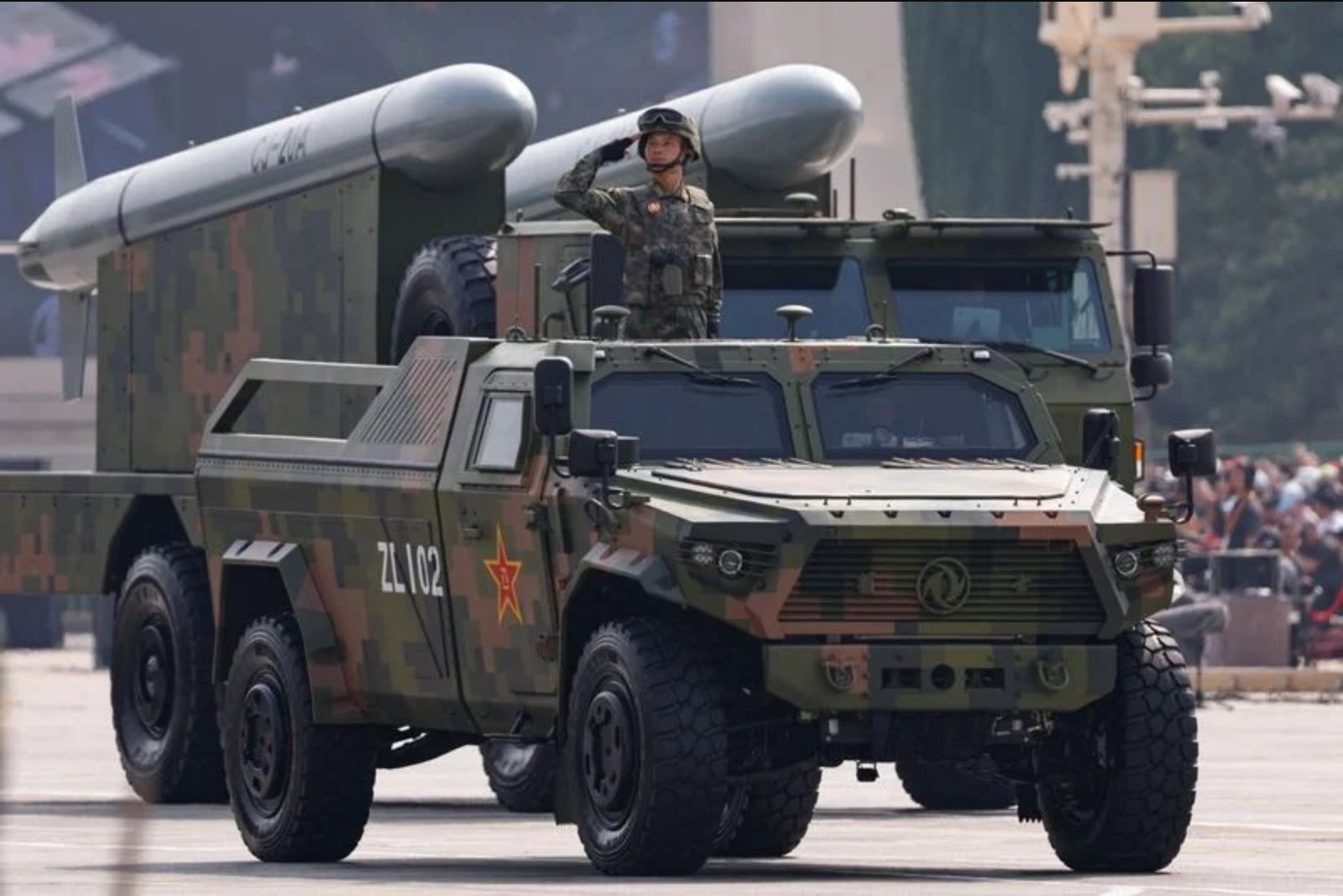
SINGAPORE, May 31 - Defence officials converging on Asia's leading security forum outlined a clear shift: Indo-Pacific nations are intensifying arms acquisitions and strengthening bilateral and multilateral defence links as concerns mount over China’s military rise and questions persist about U.S. attention to the region.
At the annual Shangri-La Dialogue, U.S. Defense Secretary Pete Hegseth urged regional partners to shoulder a greater share of security duties. He faced repeated reminders from other attendees that Washington’s priorities could be stretched - notably by the conflict in Iran - producing unease about long-term American focus.
"We can do two things at one time," Hegseth said at the gathering of defence chiefs, military leaders and intelligence officials. The remark was intended to assuage those worried that U.S. involvement elsewhere might reduce its engagement in the Indo-Pacific.
Japan’s defence minister, Shinjiro Koizumi, offered a parallel reassurance while acknowledging that perceptions of U.S. resolve vary. Koizumi said he believed U.S. commitment remained "unwavering", even as he recognised some partners may still underestimate Washington’s determination.
Leaders and senior officers interviewed on the sidelines of the forum made plain that countries are expanding cooperation beyond reliance on the traditional U.S. security umbrella. Philippines Defence Secretary Gilberto Teodoro framed the shift as part of a collective effort to accelerate each nation’s defence capabilities.
"All the defence secretaries here present are unanimous in the need to make agile and speedy upscaling of their own individual defence capabilities," Teodoro told reporters. He described this as "buttressing" the U.S.’s traditional role, pointing to Manila’s efforts to deepen defence links with Japan, Australia, Canada and New Zealand.
For Teodoro, interoperability among regional partners strengthens deterrence: "The commitment of the United States becomes more solid when more actors, at least in the deterrence phase, come in, because there is a common threat."
Tokyo is seeking to serve as a central node for these expanding connections. Koizumi said Japan intends to be a "connecting point" for enhanced regional cooperation beyond China, and pointed to a major shift in Tokyo’s approach to defence exports.
In April, Japan implemented its most significant relaxation of defence export controls in decades, removing longstanding restrictions on overseas sales of weapons and clearing the way for exports including warships and missiles. "Japan will be even more proactive in defence equipment cooperation," Koizumi said. "Our aim is to ensure that each country has the capabilities it needs and to make them available when needed."
Other attendees described concrete increases in activity and capability-building. Canada’s Chief of Defence Staff, General Jennie Carignan, outlined an expanded Canadian footprint in the region, noting cooperation with Japan and the Philippines on cybersecurity and maritime exercises, as well as English-language training initiatives with Indonesian forces.
"There is a lot of work to do in the Indo-Pacific region. And I think this is why we are seeing probably an increase of partnership across the board," Carignan said, emphasising a broader rise in collaborative defence work.
New Zealand is also reviewing hardware and alliance options as it contemplates replacing its ageing ANZAC-class frigates. Defence Minister Chris Penk confirmed Wellington is actively evaluating Japanese and British vessels as potential replacements and described discussions at the forum with counterparts from Singapore, Malaysia, Australia and Britain. Those talks reflected an effort to intensify activity under their 54-year-old Five-Power Defence Arrangement.
"There is scope for continuing the pact at a more intense level," Penk said, adding that New Zealand will look for new avenues of interaction even as it sustains existing connections.
Despite these moves toward regional self-reliance and networking, several officials stressed that they do not see U.S. engagement in the Indo-Pacific as diminished. Teodoro said Manila’s confidence in U.S. involvement "is not swayed by reason of the involvement of the United States in Iran, for example, and in other areas."
Australia’s Defence Minister Richard Marles characterised ties with Washington as central to Australian security, calling the relationship "absolutely fundamental to our national security." Marles said both Canberra and Washington view themselves as stewards of a relationship that transcends individual administrations.
The chorus of comments at the Shangri-La Dialogue paints a region moving toward greater self-help and diversification of security relationships, while still valuing the deterrent and cooperative benefits that U.S. presence provides. Nations are synchronising procurement and training programs, expanding maritime and cyber cooperation, and rethinking long-standing export and acquisition policies to facilitate a more interconnected defence posture.
Contextual note: Officials at the forum repeatedly linked their steps to a perceived common threat and to a desire to make national capabilities more agile and interoperable. The statements and procurement intentions reported here reflect ongoing decisions by governments to balance national defence investment with deeper multilateral ties.