
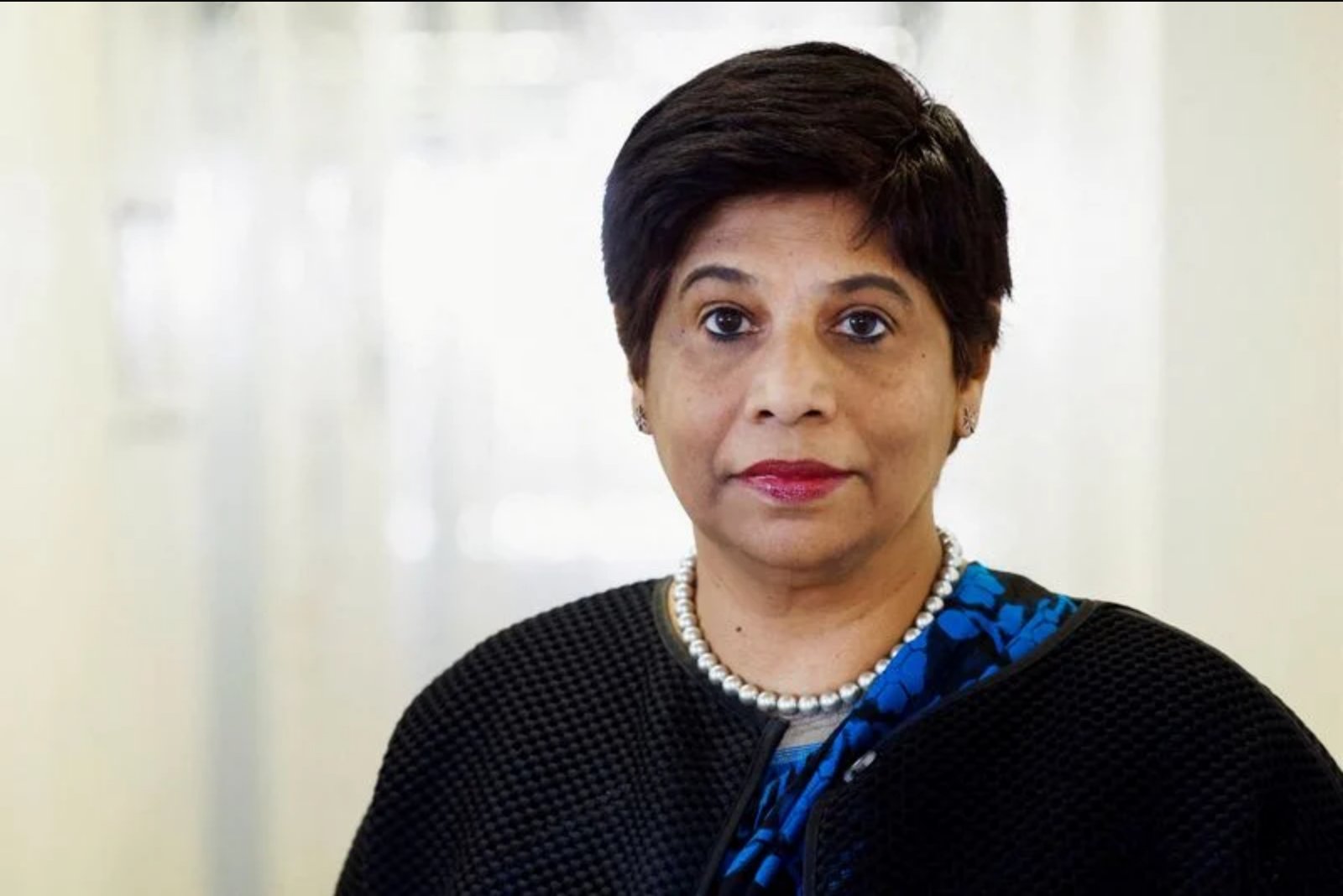
Senior International Criminal Court officials say investigators have identified new, compelling evidence that connects crimes committed during the war in Darfur to figures at leadership levels, marking what the court describes as a significant investigative step.
Deputy prosecutor Nazhat Shameem Khan announced the development after meeting victims of the attacks in eastern Chad. She said the material gathered gives prosecutors stronger grounds to link crimes in the region to those in decision-making positions, calling the discovery "a breakthrough for us." She declined to name the specific forces to which the implicated leadership belong and, bound by ICC rules, would not confirm whether arrest warrants have been sought or issued.
The court's current probes center on intense episodes of violence in two cities: al-Geneina, which saw major attacks in 2023, and al-Fashir, targeted in the previous year. United Nations experts have concluded that forces from the paramilitary Rapid Support Forces, or RSF, committed crimes in those operations that carry the "hallmarks of genocide" against people from non-Arab tribes.
Khan said investigators had collected testimonies and other material that tie the atrocities to leadership levels. She also signaled confidence in the investigative trajectory, telling reporters that she is "confident that there are going to be results in at least a reasonable time," while stopping short of providing a specific timetable.
Linking top political or military leaders to crimes perpetrated by lower-level actors is frequently a major evidentiary challenge in international war crimes prosecutions. Prosecutors typically need so-called linkage evidence - insider witnesses, records or other material that show leaders were briefed on, approved or directed operations - to establish the chain of command necessary for charges that implicate high-level figures.
The two cities at the center of the probes experienced some of the most intense fighting in the protracted conflict between Sudan's regular armed forces and the RSF. The RSF currently controls both al-Geneina and al-Fashir. In testimony before the U.N. Security Council in January, Khan said the paramilitary group had not cooperated with investigative efforts.
Representatives of the RSF have publicly denied that the group deliberately targeted civilians during the operations and have said individual perpetrators should be held accountable.
Investigative work has included collection and analysis of witness accounts. A documentary focused on the al-Fashir takeover identified several RSF leaders as being present during or involved in attacks, using interviews and examination of videos posted online. Khan said ICC investigators have gathered similar testimonies as part of their probes.
Witnesses who have spoken with court investigators recounted executions and incidents of sexual violence, Khan said, and she pledged that their accounts will be presented in the course of ICC proceedings.
Sudan is not a party to the Rome Statute and is therefore not an ICC member. Nevertheless, the United Nations Security Council previously granted the court jurisdiction over atrocity crimes committed in Darfur from 2005 onwards, allowing the ICC to investigate and prosecute individuals for those offences despite Sudan's non-membership.
Khan said the country's current army-led government has cooperated with some inquiries into the most recent attacks. At the same time, the government has not surrendered several senior former figures who are accused of genocide and other crimes tied to earlier phases of the Darfur conflict.
To date, there have been no public arrest warrants issued in connection with the present war, which began in April 2023. The deputy prosecutor reiterated that the court's jurisdiction applies to individuals who contribute to crimes, not to states themselves, when asked about potential pursuit of countries identified in filings as supporting parties to the violence.
Expert filings to the court have named certain external actors as having provided support to the RSF. Khan said the ICC's mandate is to pursue persons who contributed to crimes committed inside the two cities being investigated, emphasizing a focus on obtaining concrete prosecutorial results.
One country specifically identified in expert filings has denied any involvement in the fighting.
Political developments affecting the court’s membership were also raised. Three countries in the Sahel - Niger, Mali and Burkina Faso - announced last year that they planned to withdraw from the Rome Statute. The ICC said on July 1 that those states had submitted formal letters to initiate a process that, under the treaty's rules, takes a year to complete.
Speaking about the departures, Khan expressed hope they would reverse course, saying she sees "a great virtue in being part of the Rome Statute family" and adding that the system offers protection to the international community.
Finally, Khan and other court staff are operating under additional political pressure, including U.S. sanctions imposed after the ICC issued arrest warrants for Israeli leaders over alleged war crimes and crimes against humanity in Gaza. Khan's remarks came amid that backdrop of heightened scrutiny and diplomatic tensions related to the court's broader docket.
Summary
The ICC says it has obtained new evidence linking crimes committed during the Darfur war to leadership levels, a development described by the deputy prosecutor as a breakthrough. Investigations focus on attacks in al-Geneina in 2023 and al-Fashir last year, where UN experts say RSF forces committed crimes with "hallmarks of genocide." The court is concentrating on building linkage evidence to pursue individuals and is navigating jurisdictional limits, cooperation challenges and political pressures.
Key points
- ICC investigators report new linkage evidence tying atrocities in Darfur to leadership levels; probes target the attacks in al-Geneina (2023) and al-Fashir (last year).
- Witness accounts collected by the court include allegations of executions and sexual violence; investigators intend to present these testimonies in proceedings.
- Jurisdictional and cooperation constraints shape the ICC's strategy: Sudan is not a Rome Statute party, the UNSC granted the court jurisdiction for Darfur crimes from 2005, and practical efforts depend on state cooperation and evidence of individual culpability.
Risks and uncertainties
- Cooperation risk: The RSF has not cooperated fully with investigations, complicating evidence collection and potential prosecutions - this affects legal and political stability sectors.
- Jurisdictional limits: The ICC can pursue individuals but not states, limiting avenues to address alleged external support; this uncertainty affects diplomatic and defense-related policy planning.
- Political pressure and sanctions: International political reactions, including sanctions against ICC staff, add diplomatic complexity that could influence the court's operational environment - impacting international relations and legal confidence.