
The Utah man accused of murdering conservative activist Charlie Kirk should not be exposed to the death penalty because, defense attorneys say, the shooter struck his "intended target" and did not place bystanders in a situation meeting the state's legal standard for an aggravating factor, according to court filings made this week.
In advance of a September 1 hearing at which a judge will consider whether there is probable cause to move the case to trial, lawyers for 23-year-old Tyler Robinson argued that the circumstances surrounding the single fatal shot fall short of the required showing that the act knowingly created a "high probability" of death to another person.
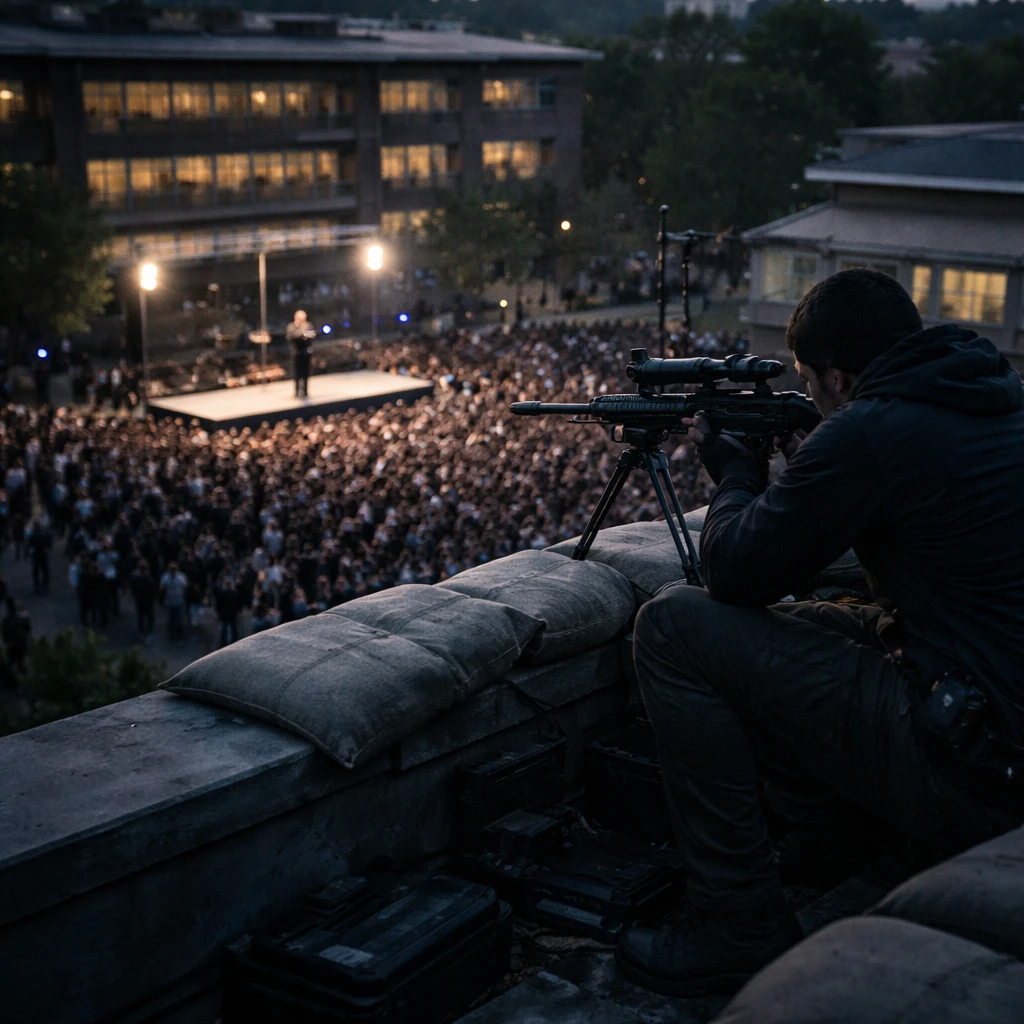
Prosecutors have asked for the death penalty, asserting that Robinson knowingly created a risk of death to others when he shot Kirk in front of thousands of people at Utah Valley University in Orem. The fatal shooting occurred on September 10, 2025, during one of Kirk's campus debates, events in which he engaged students on topics from affirmative action to immigration.
Robinson, a former apprentice electrician, has not entered a plea in the matter. In their filing this week, his defense team emphasized that a single round from a high-powered, scoped rifle fired from a rooftop vantage point that hit its intended target does not meet the statutory aggravator that requires a showing the act created a high probability of death to another person.
"The state has not established and cannot establish probable cause to support the aggravator that the shooting knowingly created a 'high probability' of death to another individual from the single shot from a high-powered, scoped rifle from a rooftop vantage that hit the intended target," the defense filing states.
Prosecutors describe the incident differently, maintaining that Robinson fired his grandfather's rifle from a so-called "sniper pad" above the assembled crowd and had loaded four rounds in case the initial shot missed, arguments they say support the pursuit of capital punishment.
The dispute over whether the death penalty may be sought in this case is part of a broader legal determination that a judge will make at the upcoming hearing: whether there is sufficient evidence to warrant proceeding to trial. The case has attracted attention for how Utah will handle an alleged politically motivated killing of a prominent conservative figure.
As the legal process unfolds, the September 1 hearing will focus narrowly on probable cause and the presence of statutory aggravating factors, rather than on guilt or innocence, matters that would be addressed in a trial should the court determine there is sufficient evidence to proceed.
Contextual note: The defendant remains accused of the killing and has not been tried or convicted. The legal arguments filed by both sides will be considered by the court at the upcoming hearing.