
Russian drone and missile strikes in Ukraine's northeast killed three people, including a pregnant woman, Ukrainian officials reported on Tuesday, while authorities in Russia-annexed Crimea said local defenses were repelling drone incursions.
The violence comes amid sustained air operations by Russia and a parallel intensification by Kyiv of long-range drone attacks on Russian oil facilities. Ukrainian strikes on fuel infrastructure have been linked by officials to shortages of fuel in Crimea and elsewhere, authorities said.
Late on Monday, President Volodymyr Zelenskiy described a telephone conversation with U.S. envoys Steve Witkoff and Jared Kushner as "positive." He said he welcomed their stated willingness to work actively toward a settlement of the war in the coming weeks.
Zelenskiy has publicly called for direct talks with his Russian counterpart, publishing an open letter proposing face-to-face negotiations to end the conflict, now in its fifth year. That overture was swiftly rejected by the Kremlin. In remarks carried in an interview he posted on X, Zelenskiy said: "There are different people around Putin. Half of them want to continue this war and the other half want to stop it. Businessmen understand that the Russian economy is in a terrible situation."
Russian President Vladimir Putin, speaking last week at an annual business forum in St Petersburg, acknowledged damage from Ukrainian attacks but said there was no threat to Russia's economy.
Military incidents reported overnight included a missile strike on the town of Chuhuiv in the Kharkiv region that killed three people, regional prosecutors said in a Telegram post. Among the dead was a 22-year-old pregnant woman. Prosecutors reported damage to residential buildings, garages and shops, and said six people were injured.
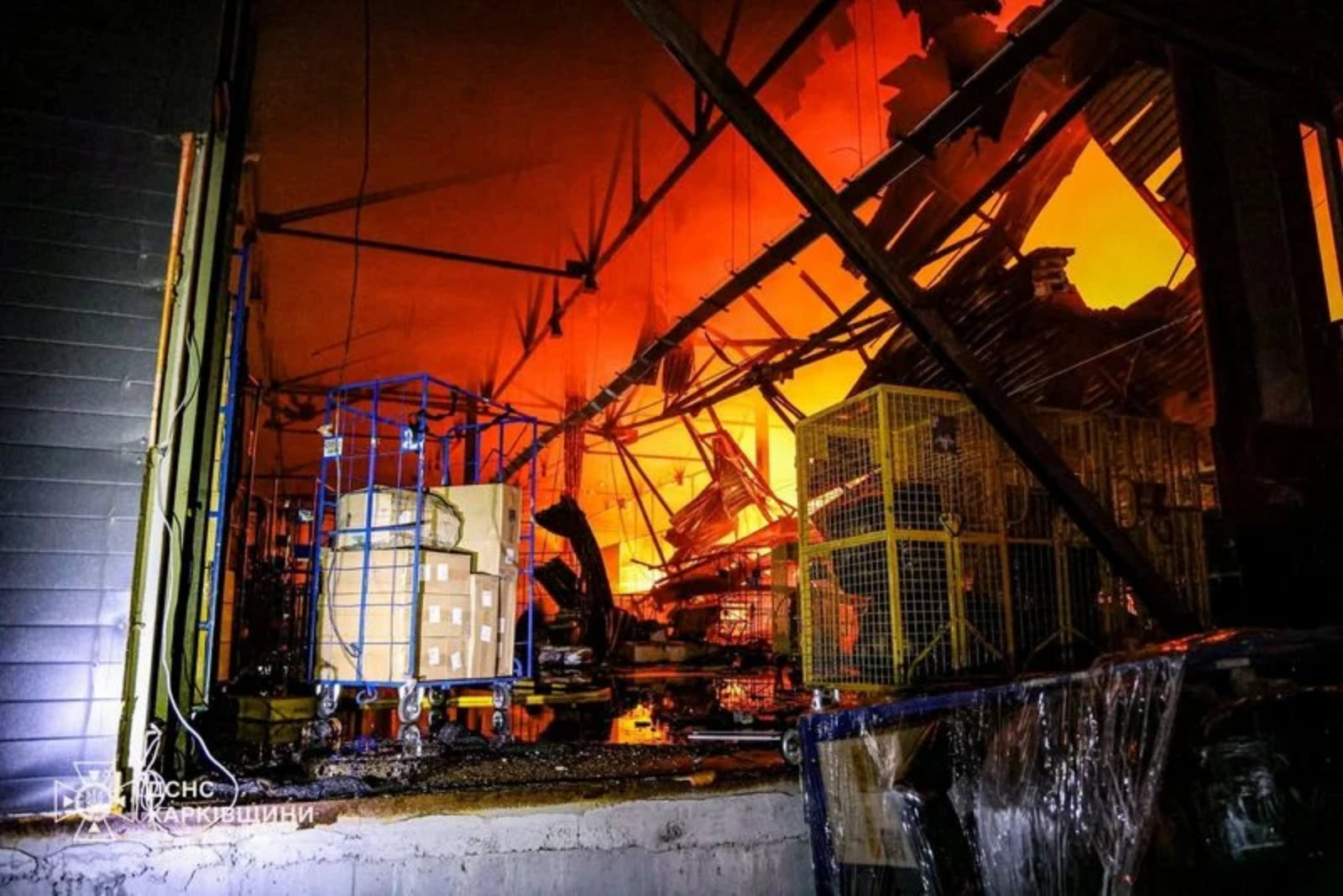
In the city of Kharkiv, the country's second-largest, a Russian drone strike prompted 16 people to seek medical attention, regional governor Oleh Syniehubov said. Officials released images showing a building on fire, with firefighters working to extinguish flames and dousing burned-out vehicles.
In Sevastopol, on the Crimean peninsula now administered by Russia, local authorities said air defenses were intercepting drone attacks. The Russian-installed governor, Mikhail Razvozhayev, reported on Telegram that defense systems were repelling the incursion. The available reports could not be independently verified.
Diplomatic activity around possible negotiations has taken cautious steps forward even as violence persists. U.S.-led efforts to broker peace have been described as stalled while Washington focuses attention on finding a resolution to the conflict in Iran. Discussions continue about a potential official visit to Kyiv by envoys Witkoff and Kushner, which, if it occurs, would mark their first official trip to Ukraine; both have previously traveled to Moscow for talks.
At the United Nations Security Council, Finnish Foreign Minister Elina Valtonen said Nordic countries backed Zelenskiy's call for an immediate ceasefire and direct talks with Putin. Zelenskiy also said he had met in Kyiv with Roman Abramovich, who offered to carry a message to the Kremlin about peace prospects. In an interview excerpt posted on social media, Zelenskiy recounted telling the businessman that Ukraine had been ready to engage from the outset and that it did not want the war to continue.
Zelenskiy reiterated that Ukraine would not cede territory. A Ukrainian official, speaking on condition of anonymity, told reporters that the president published his open letter to Putin after receiving no response to the message sent via Abramovich.
The sequence of events underscores the concurrent military, humanitarian and political pressures shaping the conflict. Attacks on populated areas have damaged homes and infrastructure, prompted civilian casualties and contributed to wider disruptions such as reported fuel shortages tied to strikes on oil facilities. Meanwhile, diplomatic overtures and negotiations remain tentative, with external actors indicating varying levels of support for ceasefire discussions.
The coming days appear likely to see continued scrutiny of any visits by foreign envoys to Kyiv, the progress of ceasefire proposals, and further cross-border attacks and counter-attacks that may affect civilian life and local infrastructure in contested regions.