
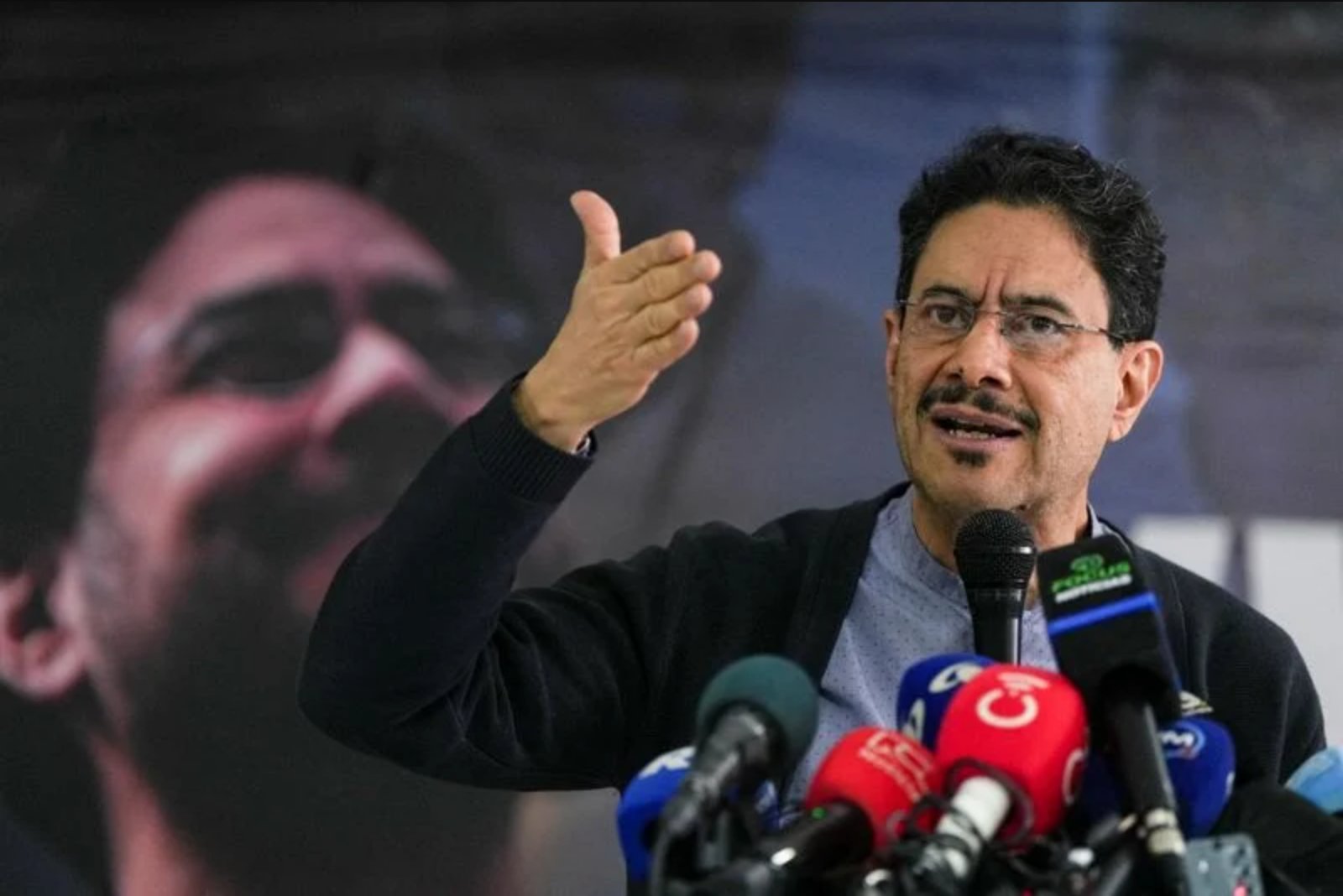
Ivan Cepeda, a leftist candidate in Colombia's presidential race, announced in a video on Thursday that he would pursue a negotiated route for national reforms if he wins the second round on June 21, stepping back from the possibility of promoting a constituent assembly to draft a new constitution.
Cepeda had previously said he would support a constituent assembly - a temporary, elected legislative body tasked with constructing a new constitution - as a mechanism to secure broad social reforms, but he conditioned that support on strong public backing.
Current President Gustavo Petro has publicly backed the idea of a constituent assembly, a proposal that has drawn criticism from centrist and right-wing voters and politicians who argue that constitutional change is unnecessary and could undermine democratic checks and balances. Right-wing candidate Abelardo De La Espriella is among those critics.
Cepeda, a 63-year-old lawmaker and the son of a murdered communist leader, finished second in the first round of voting held on Sunday, trailing De La Espriella. With a June 21 runoff approaching, Cepeda faces the political task of attracting centrist voters in order to have a practical chance of defeating his right-wing rival, who is expected to consolidate votes from other right-leaning candidates no longer in the race.
Addressing the status of efforts to promote a constituent assembly, Cepeda said the government committee convened by President Petro to study the option has halted its work. He added that the body promoting the National Constituent Assembly - after a period of reflection on the current political moment - decided to stop collecting signatures in support of the initiative.
"Today, the promoting committee of the National Constituent Assembly, after a process of reflection on the moment we are going through, has decided to conclude the collection of signatures in support of this initiative. It has said, in response to calls from various democratic sectors, that it has decided to join the proposal put forward by human rights defenders Aida Quilcue and Ivan Cepeda to build a broad national agreement that will bring about social reforms," Cepeda said, naming his vice presidential candidate.
In his video, Cepeda also criticized De La Espriella, accusing the right-wing contender of attempting to dismantle social programs and protections for vulnerable populations. De La Espriella, however, has stated in recent days that he will maintain the more than 20% increase to the minimum wage that was implemented by President Petro and that he will not cut subsidies.
Political risk analyst Sergio Guzman, director of Colombia Risk Analysis, interpreted Cepeda's shift away from the constituent assembly as a tactical decision linked to electoral dynamics rather than a change in belief. "(Cepeda) is stepping away from the project not because he no longer believes in a constituent assembly, but because it is seen as politically inconvenient," Guzman said.
The move by Cepeda to emphasize consensus-building over constitutional change marks a recalibration of strategy as the campaign enters its final weeks. The decision to suspend signature collection by the assembly's promoters and to align instead behind a call for a wide national agreement on reforms signals an effort to broaden appeal across Colombia's political center.
Context note: The campaign developments outlined here reflect statements made by Cepeda and public positions expressed by other political figures as described by Cepeda and quoted sources. No definitive outcome or broader impacts beyond these statements are asserted here.