
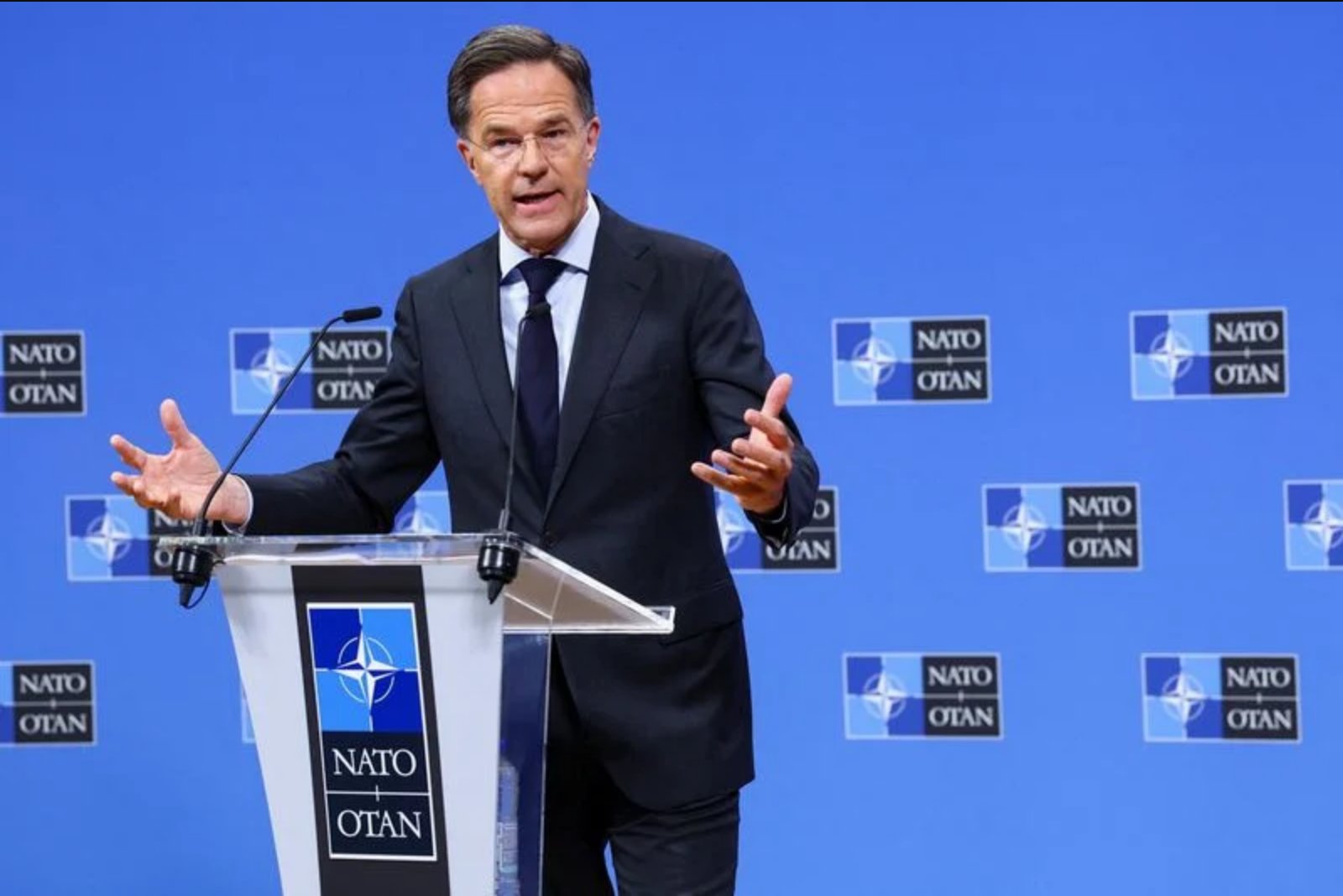
BRUSSELS, June 17 - NATO members have increased their contributions to the alliance’s crisis forces to plug many of the shortfalls resulting from cuts by the United States, NATO chief Mark Rutte said on Wednesday.
Rutte made the comment at NATO headquarters in Brussels as defence ministers prepared to meet on Thursday. The remarks come after the U.S. told its allies last month that it would reduce the pool of national military capabilities it commits to the transatlantic alliance in the event of a crisis, a move that has prompted urgent questions ahead of a NATO summit scheduled for July 7-8 in Ankara.
"There are ... areas that require more work but the overall picture is looking good," Rutte told reporters. He did not offer additional details about which commitments had been offset by other members or where shortfalls remain.
U.S. Air Force General Alexus Grynkewich, NATO’s top commander and head of U.S. forces in Europe, has said this month that Washington expects European allies and Canada to rapidly increase the number of aircraft and ships they assign to the alliance’s defence plans.
Officials have not publicly released a full accounting of the U.S. reductions. According to figures provided to a news agency by a military source, the cuts cover a wide range of capabilities, from refuelling aircraft to fighter jets, drones and naval vessels.
The breakdown in those figures shows a one-third reduction in the number of U.S. F-15 and F-15E fighter jets available to NATO, falling to 99. The number of MQ-4 and MQ-9 Reaper drones allocated to the alliance is reported to be halved, down to 12.
Refuelling assets are also reduced, with KC-135 and KC-46 tankers falling to 63 from 79. Strategic assets would be limited to a single strategic bomber and one aircraft carrier allocated to NATO, rather than two. Maritime patrol aircraft available to the alliance would decrease to 15 from 26, and the number of destroyers falls to nine from 17. The only submarine that carries cruise missiles was also omitted from the commitments.
The combination of these reductions and the broader uncertainty has placed the NATO alliance under uncommon strain, the article said, with some European countries expressing concern that Washington might act on repeated threats by U.S. President Donald Trump to withdraw from the alliance.
What officials have said
- Mark Rutte: Allies have increased contributions to fill many of the gaps, though work remains.
- Gen. Alexus Grynkewich: Europe and Canada are expected to swiftly boost aircraft and ship contributions to defence plans.
Detailed capability changes reported by a military source
- F-15 and F-15E fighter jets: down by one-third to 99.
- MQ-4 and MQ-9 Reaper drones: down by half to 12.
- KC-135 and KC-46 refuelling aircraft: down to 63 from 79.
- Strategic bombers and aircraft carriers: reduced to one each instead of two.
- Maritime patrol aircraft: down to 15 from 26.
- Destroyers: down to nine from 17.
- Submarines carrying cruise missiles: removed from commitments.
Rutte’s assessment and the reported figures frame the immediate challenge facing NATO as it moves toward the Ankara summit: ensuring that alliance defence plans remain credible while members recalibrate contributions in response to the reduced U.S. commitment. He declined to provide further specifics on how remaining gaps will be closed.